
For law offices from the River Market to Olathe
Lawyer SEO in Kansas City, MO
Search work for Kansas City firms whose clients' cases change at the state line.
A crash on State Line Road can be a Missouri case with five years to file or a Kansas case with two. The same split runs through drunk-driving arrests, traffic tickets and the advertising rules your own website has to follow. We plan Kansas City firms' pages, map listings and AI presence around which side of that line each client is on.
This page covers Kansas City: the people your firm serves, the Missouri and Kansas rules that decide their cases and your advertising, and what that means for your site. A firm in any market needs the same basic site and content work; that part sits on our law firm SEO page.
Free, done by a real person, and in your inbox within 48 hours.
Missouri | Kansas
Missouri on the left, Kansas on the right: Kansas City in figures, split at State Line Road
Read each row from the middle out. The center column names what is being measured; Missouri's figure sits to the left of it and Kansas's to the right, the way the two states sit on a map of the metro. The tag under each figure opens its source.
| Missouri side | Measure | Kansas side |
|---|---|---|
| 257 / 280KC searchSurvey | Where the listed offices are | 232 / 280OP searchSurvey |
| 17.1Jackson CountyMSHP | Crash deaths per 100,000 people, biggest county (2024) | 3.7Johnson CountyKDOT |
| 88.3%observed, 2024NHTSA | Front-seat belt use; whole country 91.2% | 86.2%observed, 2024NHTSA |
| 5 yearsRSMo 516.120 | Limitation period, injury lawsuit | 2 yearsK.S.A. 60-513 |
| Reduced, not barredMAI 37.00 | Plaintiff partly to blame | Nothing at 50%+modified ruleK.S.A. 60-258a |
| 15 daysRSMo 302.530 | License hearing request after an impaired-driving arrest | 14 daysK.S.A. 8-1020 |
| Required"The choice of a lawyer..."Rule 4-7.2(f) | Fixed disclaimer on a firm website | Nonelawyer's name insteadKRPC 7.2(d) |
Two states, one metro
Kansas City law firm SEO for firms practicing on both sides of State Line Road
People looking for SEO for lawyers in Kansas City, MO, for law firm marketing in Kansas City, or for a legal marketing agency on the Kansas side are mostly asking the same thing: how a firm reaches the clients it wants through Google results, the map pack and AI assistants. What changes here is that a single metro runs on two bodies of law. A firm in Brookside and a firm in Overland Park can share a highway and a TV market and still owe their clients different deadlines, and themselves different advertising rules. Each row below is a part of our work, with what it has to say on a Missouri page and on a Kansas one. GLP's staff aren't in Kansas City. We're based in West Hollywood, California. Meetings run over video on a set calendar, and every SEO client has a strategy call each month.
Free audit, then a written plan
MissouriWe search from whichever side of the line your office is on, for the case types you're after, and note which Missouri and Kansas offices outrank you and why.
KansasFor a Kansas office the same searches are run as "Overland Park", "Olathe" or "Kansas City, KS", because those are the words that keep a Kansas listing in view.
Practice pages built on the right state's law
MissouriFive-year injury limit, pure comparative fault, the 90-day notice for a street defect, the 15-day license hearing: each page cites the RSMo section and links it.
KansasTwo years, the 50% bar, PIP benefits and the $2,000 threshold, the 14-day hearing and its fee. A crash page never borrows a number from the other side.
Google Business Profile (GBP) and reviews
MissouriA second office can be listed only if it is real and staffed; Rule 4-7.2(e) adds that its days or "by appointment only" must be stated unless a lawyer is there three days a week.
KansasKansas has no branch-office rule, but Google's own guidelines still require a staffed location, so a Kansas listing is built from a real address.
Answers AI tools can quote
MissouriShort, sourced answers that name Missouri in the first sentence, so an assistant summarizing the page can't attach Kansas rules to it.
KansasThe same for Kansas, and consistent facts about the firm (name, address, admissions) wherever it appears online.
Disclosures and approval
MissouriThe Rule 4-7.2(f) disclaimer, results language under 4-7.1(c), and the same required words in every language the page uses.
KansasA named lawyer answering for each page and ad, and verdicts or client quotes only where the 7.1 comments allow them. Your attorneys approve all of it.
Reporting by signed case
MissouriEvery call and form traces back to its page and search, and on to a retained client if your intake log tracks outcomes.
KansasThe same report, split by state, so you can see whether Kansas pages pay for themselves or only add traffic.
Who searches for this page: three kinds of firm in the Search Console queries
Search Console shows Kansas City queries such as "kansas city law firm seo", "seo marketing for law firms in kansas city", "seo for lawyers in kansas city, mo" and "law firm marketing in kansas city". A second group names a state instead of the city: "missouri law firm seo services", "kansas attorney seo company", "kansas attorney seo consultants". A third asks for a kind of provider: "lawyer seo companies", "attorney seo companies", "seo agency for attorneys", "law firm seo expert". These are firms on both sides of the line comparing companies, agencies and experts, so this page answers for both states at once.
Check how a reader across State Line Road meets your firm.Get My Free Audit
Crash records, both states
Who gets hurt on Kansas City roads, county by county
The people at the center of most Kansas City injury, traffic and DWI practices are drivers and their passengers, and the records of both states count them. The Missouri State Highway Patrol's crash database recorded 123 people killed and 8,709 injured in Jackson County in 2024, and 95 killed and 7,432 injured inside the City of Kansas City, which spreads across four counties (MSHP STARS, reports run November 4, 2026). On the Kansas side, KDOT's 2024 county summaries list 23 killed and 3,450 injured in Johnson County and 21 killed and 1,783 injured in Wyandotte (KDOT Kansas Traffic Crash Facts).
Short commutes, few buses, a car in almost every household
Of Kansas City, Missouri residents who work, 70.2% drive to work alone, and the average trip takes 21.7 minutes, against 26.4 minutes nationally; just 1.8% take public transit (ACS DP03). Only 9.0% of the city's households have no vehicle (ACS DP04). So the injured person, the other driver and the witness were usually all in cars, and Kansas City injury searches tend to start with "car accident".
Fewer seat belts than the national average, on both sides
NHTSA's 2024 observational survey put seat-belt use at 88.3% in Missouri and 86.2% in Kansas, both below the national 91.2% (DOT HS 813 766). Among the people killed, the gap is wider: MoDOT reports that 63% of the people who died on Missouri roads in 2024 weren't wearing a seat belt (MoDOT), and KDOT's figure for Kansas occupants killed that year was 53.2% belted (KDOT 2024 Quick Facts). How much an unbelted client's case is worth depends on the state, as the injury-law section below explains.
What the numbers say to an injury firm about its site
High counts and a low rate call for different kinds of pages. Jackson County alone produced more injuries in 2024 than Johnson, Wyandotte, Clay, Platte and Cass combined, so a Missouri-side injury firm's crash pages carry most of its search demand and face the most competition. A Johnson County firm sees far fewer crashes per resident, which makes each case type (a motorcycle crash on US-69, a rear-end collision at a school zone) a narrower search worth its own page. For Wyandotte, the rate is high, and our survey just below finds its offices rarely surfacing in downtown searches.
Our survey, November 5, 2026
Search "Kansas City" downtown and the map stays in Missouri
To see how the state line plays out in Google's map results, we fed 28 queries to Google's Places API at 01:12 UTC on November 5, 2026: 14 practices, each searched as "[practice] Kansas City" from downtown Kansas City, Missouri and as "[practice] Overland Park" from Overland Park, Kansas, each biased to a 20-kilometer area, top 20 results saved (API documentation). For each of the 560 listings we recorded the state in the office's address.
Listings from the other state, out of 20, by practice
Kansas offices in a downtown "Kansas City" search, against Missouri offices in an "Overland Park" search
- Car accident lawyer 0 6
- Personal injury lawyer 0 3
- Motorcycle accident lawyer 0 8
- DWI lawyer 0 4
- DUI lawyer 1 0
- Traffic ticket lawyer 2 6
- Workers compensation lawyer 0 3
- Criminal defense attorney 0 1
- Divorce lawyer 1 0
- Estate planning attorney 6 0
- Bankruptcy attorney 5 3
- Employment lawyer 2 5
- Immigration lawyer 6 4
- Medical malpractice lawyer 0 5
Use the arrow keys to read each value.
| Practice searched | Kansas offices in "Kansas City" search (of 20) | Missouri offices in "Overland Park" search (of 20) | Same firm name in both searches |
|---|---|---|---|
| Car accident lawyer | 0 | 6 | 6 |
| Personal injury lawyer | 0 | 3 | 5 |
| Motorcycle accident lawyer | 0 | 8 | 9 |
| DWI lawyer | 0 | 4 | 3 |
| DUI lawyer | 1 | 0 | 1 |
| Traffic ticket lawyer | 2 | 6 | 7 |
| Workers compensation lawyer | 0 | 3 | 2 |
| Criminal defense attorney | 0 | 1 | 1 |
| Divorce lawyer | 1 | 0 | 3 |
| Estate planning attorney | 6 | 0 | 6 |
| Bankruptcy attorney | 5 | 3 | 7 |
| Employment lawyer | 2 | 5 | 6 |
| Immigration lawyer | 6 | 4 | 8 |
| Medical malpractice lawyer | 0 | 5 | 5 |
Source: GLP survey, Google Places API (New) text search, 2026-11-05 01:12 UTC; 14 practices × 2 search points × first 20 listings. State taken from each listing's address.
A Kansas office rarely appears for "Kansas City"
Of the 280 listings returned for downtown "Kansas City" searches, 257 were Missouri offices and 23 were in Kansas. In the top three of each search, Missouri held 41 of 42 places. Only 4 listings had an address in Kansas City, Kansas, even though that city sits a few minutes west of downtown. A Kansas City, Kansas firm that calls itself only a "Kansas City" firm is asking to be found for a search that the map, in our sample, answered almost entirely from Missouri.
Missouri firms show up in Overland Park more often than the reverse
From Overland Park, the count flipped: 232 Kansas offices against 48 Missouri ones. Most of the Missouri entries came from injury and accident practices: motorcycle crashes (8 of 20), car accidents (6), medical malpractice (5). The Kansas offices that broke into "Kansas City" results did so in estate planning and immigration (6 each) and bankruptcy (5), practices where a firm's reach and reputation can outweigh distance.
The firms that turned up in both searches
Across the 14 practices, 69 of the 280 slot pairs went to a firm name that appeared in both the Missouri and the Kansas search. Some are one office ranking on both sides, others a firm with an office in each state. That second group is the most dependable way to be present on both sides, because a Business Profile needs a real, staffed location (Google Business Profile guidelines), and on the Missouri side Rule 4-7.2(e) adds its own condition for advertising a second office, set out in the Missouri rules section.
What a firm can change, and what it can't
- It can't move its listing across the line without moving the office. Address, distance and the searcher's wording decide most of what the survey shows.
- It can spell out its own city, county and state in titles and headings, leaving no doubt, for readers or for Google, which side of the line it serves.
- It can build practice pages for the other side's law when it has lawyers licensed there, so its site answers a Kansas reader's question even when its map listing sits in Missouri.
- It can ask clients on both sides for reviews in the ways Google permits, since reviews are part of how a listing outranks a closer one.

Injury law, side by side
The same crash under Missouri and Kansas law: what an injury page must keep apart
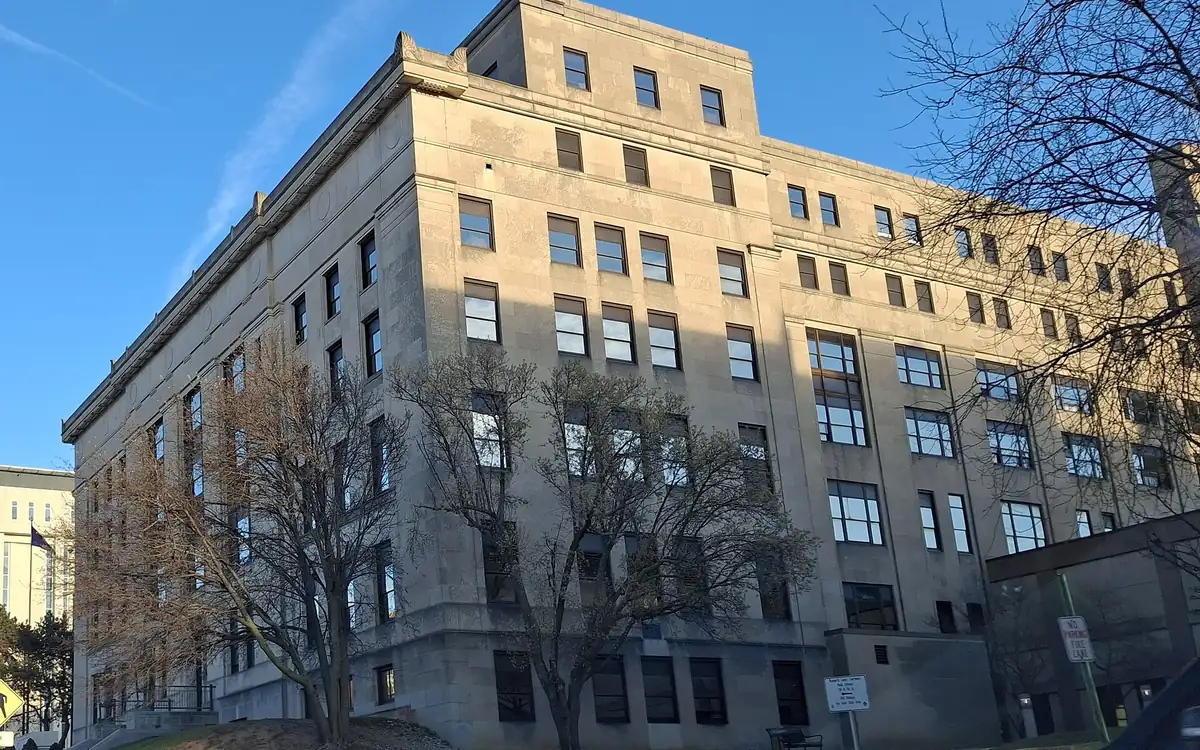
A collision at 119th and State Line, a block either way, can land in either state's courts, and the injured person's case changes with it. These are the differences an injury firm's pages have to state correctly for its own side, and that a firm serving both sides has to keep apart. Every point links the statute.
The filing deadline, by state
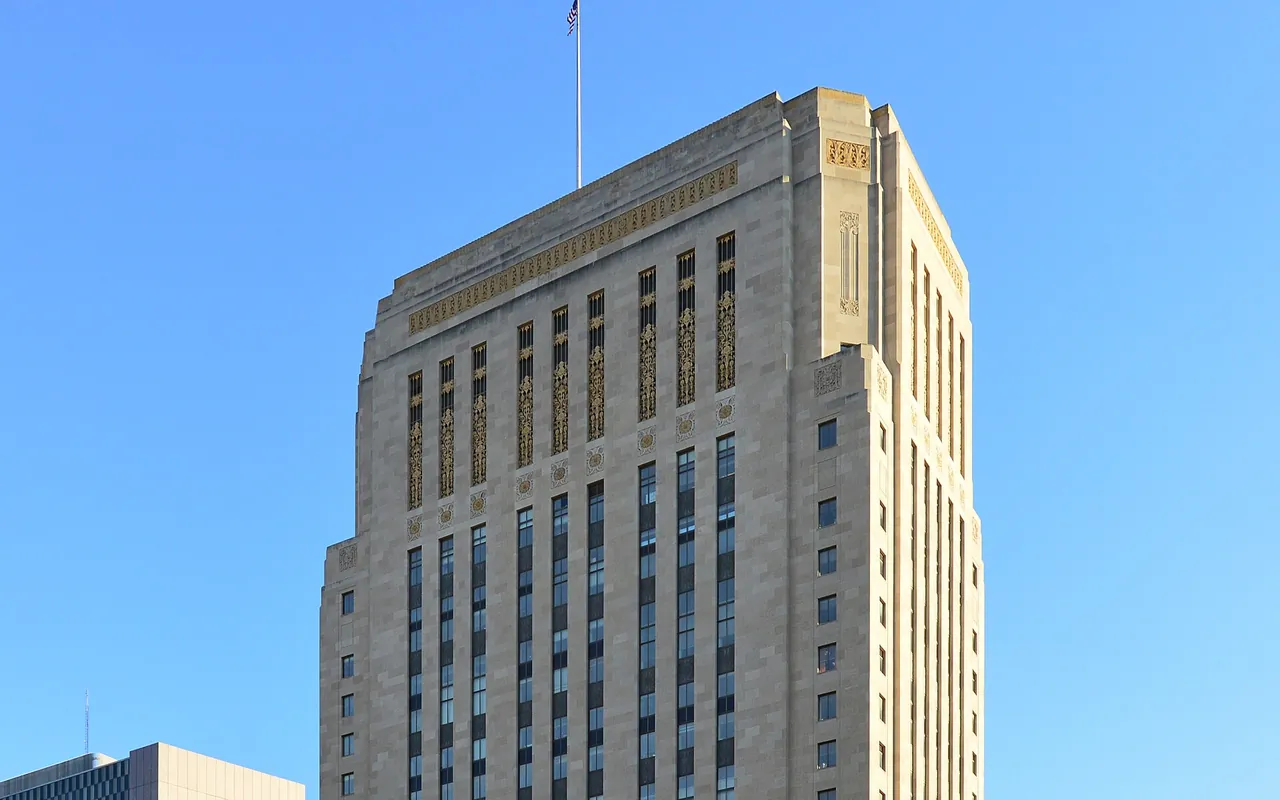
Missouri gives an injured person five years to sue (RSMo 516.120) and a family three years for a wrongful death (RSMo 537.100). Kansas allows two years for both (K.S.A. 60-513). The practical risk runs one way: a Kansas client who read a Missouri page, or a general article citing the longer period, can lose a claim by waiting. A Kansas crash page should put "two years" near its top and say plainly that the Missouri figure doesn't apply.
Sharing the blame
Missouri follows pure comparative fault: the jury reduces the award by the injured person's share of fault but never bars it, as the Supreme Court of Missouri's jury-instruction committee summarizes in its general comment to the comparative-fault instructions (MAI 37.00). Kansas bars recovery unless the injured person was less at fault than the defendants, so 50% is enough to lose everything (K.S.A. 60-258a). The two states also split on who pays: in Missouri a defendant 51% or more at fault is jointly and severally liable (RSMo 537.067), while in Kansas each defendant pays only its own share.
Kansas's no-fault layer
Every Kansas auto policy must carry personal injury protection (K.S.A. 40-3107), with at least $4,500 for medical expenses, disability benefits of at least $900 a month for up to a year, $4,500 for rehabilitation, up to $25 a day in substitution benefits and up to $2,000 for a funeral (K.S.A. 40-3103). A Kansas plaintiff can claim pain and suffering only when the injury needs medical treatment worth $2,000 or more or falls into a listed category such as a fracture of a weight-bearing bone or permanent injury (K.S.A. 40-3117). Missouri has no PIP system and no threshold. Both states set liability minimums at $25,000/$50,000/$25,000; Missouri requires uninsured motorist cover (RSMo 379.203), and Kansas requires it at the policy's own liability limits, unless the buyer rejects the amount above the minimum in writing, with underinsured cover built in (K.S.A. 40-284).
Seat belts in front of a jury
Given the belt-use figures above, this is one of the points clients ask about most. In Missouri, not wearing a belt isn't evidence of comparative negligence; a defendant can use it only to reduce damages, only with expert proof that it contributed to the injuries, and by no more than 1% (RSMo 307.178). In Kansas the evidence is not admissible at all for fault or for reducing damages (K.S.A. 8-2504). Enforcement differs too: Missouri's statewide rule is secondary, though the Kansas City Police Department announced in 2013 that it would enforce a new city ordinance letting officers stop a car for an unbelted driver or front passenger (KCPD); Kansas enforces belts as a primary offense for front-seat occupants.
The bar that served the other driver
Missouri allows a claim against a licensed seller of drinks by the glass if it is shown by clear and convincing evidence that it served a minor or knowingly served a visibly intoxicated person (RSMo 537.053). Kansas has no dram shop liability: the official annotations to K.S.A. 41-715 record the Kansas Supreme Court's holding in Ling v. Jan's Liquors (1985) that, absent legislation, suppliers of alcohol aren't liable to the victims of an intoxicated driver, and its statement in Mills v. City of Overland Park (1992) that the liquor statute wasn't meant to create civil liability. A drunk-driving crash page for a Missouri firm can discuss the bar; one for a Kansas firm should not suggest it.
Caps that are printed, and caps that apply
Missouri caps punitive damages at the greater of $500,000 or five times the net judgment, except where the defendant pleads guilty to or is convicted of a felony arising from the same acts (RSMo 510.265), which matters after a felony DWI. Kansas still prints a $350,000 cap on noneconomic damages, but the official annotations note that the Kansas Supreme Court held it an unconstitutional violation of the jury-trial right in Hilburn v. Enerpipe (2019), a vehicle-collision case (K.S.A. 60-19a02). A separate $250,000 limit on nonpecuniary wrongful-death damages remains in the statute book (K.S.A. 60-1903). Pages that quote a cap should say which kind it is.

Check whether a Kansas reader of your crash page sees a Missouri deadline.Check my pages
The first four months
Notices and hearings that start the day of a crash or an arrest, on each side
The long limitation periods get the attention, but the windows that close first are short and procedural. They are also what a frightened client searches for in the first week, which makes them strong material for pages and for AI answers. The chart puts the five that matter most on one axis.
Days that matter after a crash or a drunk-driving arrest in the Kansas City metro
Each lane starts at day 0; the last point is the deadline or the first permitted day
-
Missouri license hearing after a DWI arrest (RSMo 302.530)
- Day 0Notice of suspension received
- Day 15Last day to ask for the hearing
-
Kansas license hearing after a DUI arrest (K.S.A. 8-1020)
- Day 0Notice served at arrest
- Day 14Last day to mail the request
-
Missouri written solicitation after an accident (Rule 4-7.3(c)(4))
- Day 0Accident
- Day 30First day a lawyer may mail the victim
-
Street or sidewalk defect in Kansas City, Missouri (RSMo 82.210)
- Day 0Injury
- Day 90Deadline for the notice to the mayor
-
Notice to a Kansas municipality (K.S.A. 12-105b(d))
- Day 0Notice of claim filed with the clerk
- Day 120Deemed denied; suit may be filed
Use the arrow keys to read each date.
| Rule | Day | What happens |
|---|---|---|
| Missouri license hearing after a DWI arrest (RSMo 302.530) | 0 | Notice of suspension received |
| Missouri license hearing after a DWI arrest (RSMo 302.530) | 15 | Last day to ask for the hearing |
| Kansas license hearing after a DUI arrest (K.S.A. 8-1020) | 0 | Notice served at arrest |
| Kansas license hearing after a DUI arrest (K.S.A. 8-1020) | 14 | Last day to mail the request |
| Missouri written solicitation after an accident (Rule 4-7.3(c)(4)) | 0 | Accident |
| Missouri written solicitation after an accident (Rule 4-7.3(c)(4)) | 30 | First day a lawyer may mail the victim |
| Street or sidewalk defect in Kansas City, Missouri (RSMo 82.210) | 0 | Injury |
| Street or sidewalk defect in Kansas City, Missouri (RSMo 82.210) | 90 | Deadline for the notice to the mayor |
| Notice to a Kansas municipality (K.S.A. 12-105b(d)) | 0 | Notice of claim filed with the clerk |
| Notice to a Kansas municipality (K.S.A. 12-105b(d)) | 120 | Deemed denied; suit may be filed |
Sources: RSMo 302.530; K.S.A. 8-1020; Missouri Supreme Court Rule 4-7.3(c)(4); RSMo 82.210; K.S.A. 12-105b(d). Read on revisor.mo.gov, ksrevisor.gov and the Supreme Court of Missouri's rule pages, November 5, 2026.
Notice to the mayor after a fall or a pothole crash
Missouri cities of 100,000 people or more can't be sued over an injury caused by a defect in a bridge, boulevard, street, sidewalk or thoroughfare unless written notice reaches the mayor within 90 days, stating where and when the injury happened, its character and circumstances, and that the person will claim damages (RSMo 82.210). Kansas City, Independence (121,740 residents) and Lee's Summit (103,656) are all past that mark (ACS DP05). A trip-and-fall page for the Missouri side that leads with the five-year limit and mentions the notice only at the bottom has the order backwards. The statute's annotations show where the line falls: Williams v. City of Kansas City (1990) treated steps between the airport terminal and a parking facility as a sidewalk and thoroughfare, while Jones v. City of Kansas City (2000) held a yield sign was not a street.
A crash with a city truck or bus
Missouri keeps sovereign immunity but waives it for injuries caused by public employees driving in the course of their work, and for some dangerous conditions of public property (RSMo 537.600). Recovery against a public entity is capped at base limits of $2 million per occurrence and $300,000 per person, which the Department of Commerce and Insurance adjusts every January, with no punitive damages (RSMo 537.610). In Kansas the equivalent limit under the Tort Claims Act is $500,000 for all claims from one occurrence (K.S.A. 75-6105).
Suing a Kansas city or county
Before suing a Kansas municipality, a claimant files a written notice with its clerk or governing body giving the claimant's name and address, the facts, any employee involved, the injury and the amount claimed. Suit can't start until the claim is denied or 120 days pass, and the claimant then has at least 90 days after denial even if the limitation period would otherwise have run (K.S.A. 12-105b). That procedure, which an Overland Park or Olathe client meets after a crash with a city truck, is a page of its own.
When a Missouri lawyer may first write to a victim
The third lane is a rule for firms, not for clients. For the first 30 days after an accident or disaster, a Missouri lawyer can't mail its victims or their relatives about it (Rule 4-7.3(c)(4), set out with the rest of Missouri's rules below). Kansas sets no comparable delay. A firm with offices on both sides that runs one direct-mail program has to follow the Missouri timing for Missouri recipients.
Clocks and counters outside the crash docket, Missouri side
Other Missouri-side practices have their own early figures, and each belongs in a page's opening lines:
- Workers' comp: two years from the injury, death or last payment, three if the employer never filed its injury report (RSMo 287.430). The Division's Kansas City office at 1410 Genessee Street keeps the docket for Cass, Clay, Jackson and Platte counties (venue list).
- Divorce: no judgment before 30 days after filing, and 90 days of Missouri residence first; time lived in Kansas doesn't count (RSMo 452.305).
- Small estates: an affidavit instead of full probate when the estate is $40,000 or less after liens and debts and 30 days have passed since the death (RSMo 473.097).
- Job discrimination in the city: 180 days to file with the Civil Rights and Equal Opportunity Department, for employers with six or more employees, a route Kansas has no match for (KCMO CREO).
- Family buildings: custody and support at 415 East 12th Street or the Independence annex; juvenile and adoption cases at the Family Justice Center on East 26th Street (16th Circuit).
- Immigration: hearings for both sides of the line at 2345 Grand Boulevard, Suite 525 (EOIR).
Criminal and traffic
DWI in Missouri, DUI in Kansas: pages for the arrest, the hearing and the ticket
Drunk-driving and traffic defense is the other large practice built on the metro's drivers. The two states use different names for the offense, run different administrative hearings and penalize different conduct at the wheel. A defense firm that practices on both sides needs separate pages for each, and each page needs to say which side it covers before it says anything else.
The license hearing comes before the criminal case
In Missouri, a driver who receives a notice of suspension or revocation has 15 days from receiving it to ask for a hearing, at which the only issue is whether the grounds existed by a preponderance of the evidence (RSMo 302.530). In Kansas the request must be postmarked within 14 days of service of the notice and comes with a $50 fee (K.S.A. 8-1020). For both, the person searching is usually the driver, within days of the arrest, on a phone. The page that ranks for that search should state the deadline and how to make the request before it explains anything about the criminal case.
Missouri's offense and its 2026 felony tiers
Missouri's offense is driving while intoxicated, a class B misdemeanor for a first offense (RSMo 577.010). Under the version in force since August 28, 2026, a DWI in which the driver's criminal negligence causes physical injury to another person is a class D felony, and one causing serious physical injury is a class C felony. A firm whose pages still describe the earlier classes should update them, because people charged after a crash compare what they read against their charging documents.
Kansas's offense on a first conviction
Kansas's offense is driving under the influence. A first conviction is a class B nonperson misdemeanor, with 48 hours to six months in jail or 100 hours of public service and a fine of $750 to $1,000 (K.S.A. 8-1567). That range is what a Johnson County client looks for first, and it is a figure the Missouri statute doesn't share.
City tickets at 11th and Locust
Ordinance violations written inside Kansas City, Missouri, including many traffic tickets, go to the city's Municipal Court at 511 East 11th Street, at the corner of 11th and Locust. Bonds and trial de novo appeals are handled on weekdays between 8:00 and 4:00 (the court's contact page). People search the court's name, its corner or their ticket type before they search for a lawyer, so a traffic firm's page about this court, with its address, bond hours and what a de novo appeal is, answers the question they actually typed.
Records
Crash reports from KCPD, the Highway Patrols, Overland Park and KCK
The first document most injury clients ask for is the police report, and which agency wrote it depends on where the crash happened. A firm that links the right request page, with the right fee and wait, saves its intake staff a phone call and gives search engines a precise answer to quote.
| Agency | How to get the report | Cost and wait |
|---|---|---|
| Kansas City, Missouri Police | Online through BuyCrash with the report number, name and date, or in person at 1125 Locust Street (KCPD) | Allow 10 to 14 business days |
| Missouri State Highway Patrol | Patrol records request, online with a card or by mail (MSHP) | $6 per basic report; request no sooner than 10 days after the investigation |
| Overland Park Police | Free PDF download with the driver's name and case number (Overland Park) | Usually online within 10 business days; hit-and-run reports up to 30 |
| Kansas City, Kansas Police | Online, or at the headquarters lobby at 700 Minnesota Avenue (KCKPD) | $15 online for a street crash; private-property reports free; first five pages free in person |
| Kansas Highway Patrol | Records portal, in person or by letter to headquarters in Topeka (KHP) | $5 per crash report, $2 per witness statement |
Linking the request page instead of copying it
People search for this the week after a crash, and few firm sites answer it. We put the request details on the firm's crash pages for its own side, linked to the agency's page rather than copied, so a new fee or portal doesn't leave the page wrong.
Supreme Court Rule 4
Rule 4-7 in Missouri: a disclaimer, an ADVERTISEMENT label and mail-only letters
Missouri never adopted the American Bar Association's 2018 consolidation of the advertising rules. Its Rules 4-7.1 to 4-7.6 all remain, with the core three last amended effective July 1, 2010, and they keep requirements most states have dropped: a set disclaimer, an "ADVERTISEMENT" label, a 30-day bar on accident letters and mail-only written solicitation. Quotations below are from the Supreme Court of Missouri's rule pages; the opinions are informal, non-binding opinions of the Office of Legal Ethics Counsel. Every rule here binds the lawyers, so we draft to it and the firm's attorneys approve.

The choice-of-a-lawyer sentence
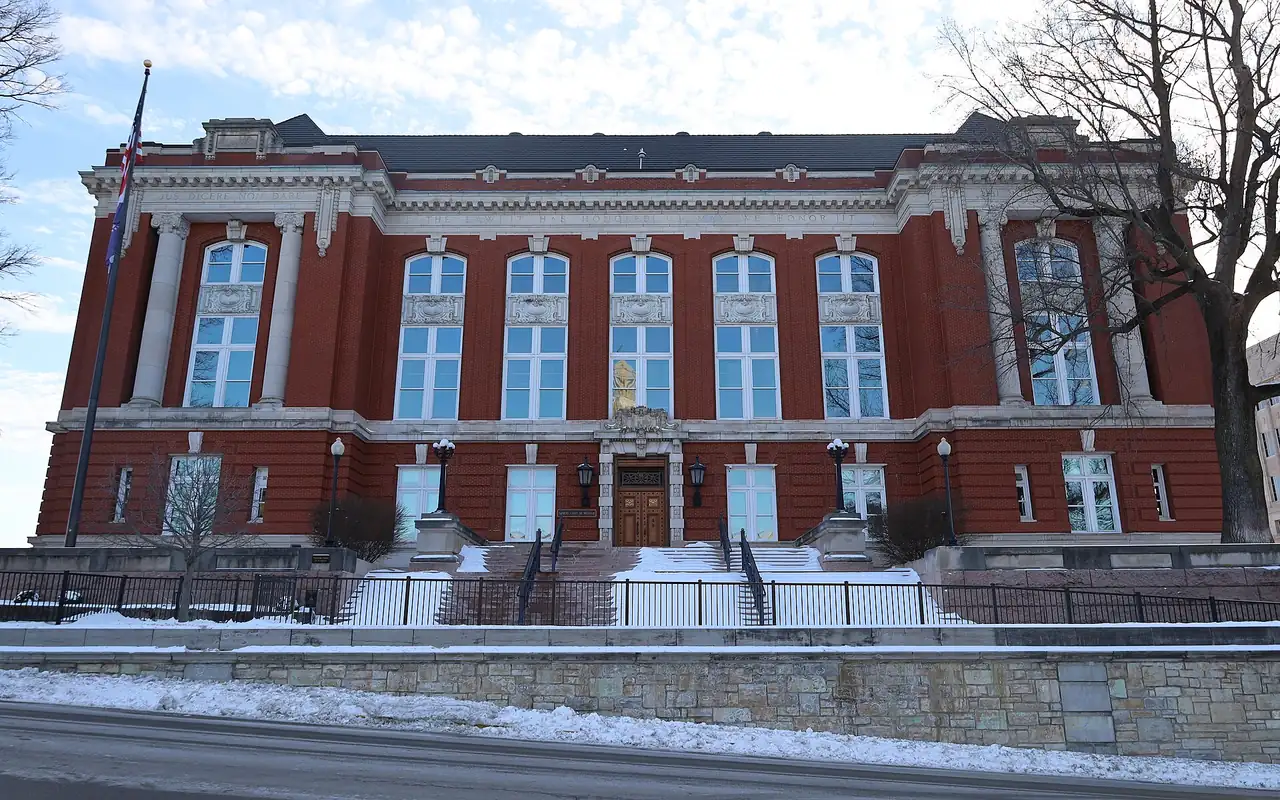
Rule 4-7.2(f) requires every advertisement or communication under the rule to carry a conspicuous disclosure: "The choice of a lawyer is an important decision and should not be based solely upon advertisements." "Conspicuous" is defined by size, color, contrast, location, duration, cadence or audibility (Rule 4-7.2). The Office of Legal Ethics Counsel has said that the rule applies to websites, because websites are advertising, unless the site is limited to the basic facts listed in 4-7.2(g): names, practice fields, admissions and contact details (Informal Opinion 20060005). A firm site with practice pages and blog posts goes well past that list.
Every required statement in every language used
Under 4-7.2(h), words or statements required by Rules 4-7.1 to 4-7.3 must appear in the language of the advertisement, and an ad in more than one language must carry them in each. A Spanish practice page therefore needs the disclaimer and any results statement in Spanish, not just a link back to the English version.
Results, testimonials and paid endorsements
Rule 4-7.1 lists communications that are misleading on their face. For a website the important ones are (Rule 4-7.1):
- (b): anything that would lead a reader to expect results the lawyer can't justify.
- (c): verdicts, settlements or a win record stated without saying that past results afford no guarantee of future results and that every case is different and must be judged on its own merits. A verifiable count of cases tried or handled doesn't need that language, according to the comment.
- (e): claims of being better than other lawyers that can't be backed up with facts.
- (g): a practice area the firm routinely refers to other lawyers, unless that is conspicuously stated.
- (h): a paid testimonial or endorsement without conspicuous disclosure of the payment.
- (i): a simulated lawyer, client, victim, scene or event without a conspicuous label that it is a simulation.
- (k): "no recovery, no fee" without a conspicuous statement that the client may still owe costs or expenses, if so.
Client testimonials on a website are generally permitted if they say nothing the rules forbid (Informal Opinion 20010107). We found no Missouri opinion on online reviews or on asking clients for them, so review requests are written to the general rules above.
Branch offices and map listings
A firm may not advertise any office other than its principal office unless a lawyer staffs it at least three days a week or the advertisement states the days and times a lawyer is there or that meetings are by appointment only (4-7.2(e)). Rule 4-7.1(j) separately treats an address for a part-time or appointment-only office as misleading unless that is conspicuously stated. For a Missouri firm opening a Northland or Lee's Summit location, this decides what the location page and the Business Profile can say.
"Specialist" needs a disclaimer
Except for patent attorneys and admiralty lawyers, a Missouri lawyer may not state or imply being a specialist unless the communication says that neither the Supreme Court of Missouri nor The Missouri Bar reviews or approves certifying organizations or specialist designations (Rule 4-7.4). Board certification on a bio page triggers the disclaimer, and so can honors or memberships worded to suggest special competence (Informal Opinion 980268).
Paying for leads
Buying ads is allowed in Missouri; buying someone's recommendation is not, unless that someone is a referral service registered with the state under Rule 4-9.1 (Rule 4-7.2(c)). In July 2025 the Office of Legal Ethics Counsel applied that to lead generation: lawyers may use client lead generation services only if they are qualified services registered with the Office of Chief Disciplinary Counsel, whatever the vendor calls its fees (Informal Opinion 2025-05). The office's list for 2024 to 2025 names three registered services (OCDC list). Search engine optimization, pay-per-click ads and a firm's own site are advertising the firm pays for directly, which the rule permits.
Written solicitation: mail only, labeled, after 30 days
Missouri allows no in-person, phone or real-time electronic pitch for business to anyone other than an existing or former client, another lawyer, a close friend or a relative. A solicitation letter needs "ADVERTISEMENT" on its envelope and atop its first page in type as large as anything else in it, the paragraph the rule dictates (it opens "Disregard this solicitation if you have already engaged a lawyer"), an explanation of how the lawyer heard about any event that prompted it, and ordinary U.S. mail rather than certified or registered delivery (Rule 4-7.3). The ethics office treats text messages as prohibited real-time solicitation (Informal Opinion 2025-03) and a reply to a social-media post asking for a lawyer as a prohibited written solicitation (Informal Opinion 20090040).
Names, domains and records
Trade names are allowed if they don't imply a connection with a government agency or a public or charitable legal services group, and a distinctive website address may serve as a firm's designation; a multi-state firm's office listings must note the jurisdictional limits on lawyers there who aren't licensed in Missouri (Rule 4-7.5). A one-lawyer firm may not call itself a "group" (Informal Opinion 20000142), and a practice-area web address on letterhead has been approved (Informal Opinion 970010). Copies of ads and written communications are kept for two years after last use, with when and where they ran (4-7.2(b)). Missouri's Rule 4-7 asks firms to keep their ads, not to submit them for approval.
Supreme Court Rule 240
Attorney advertising rules in Kansas, under Supreme Court Rule 240
Kansas publishes its Rules of Professional Conduct as Kansas Supreme Court Rule 240, renumbered from Rule 226 effective January 1, 2021. Like Missouri, Kansas kept its pre-2018 structure: Rules 7.1 to 7.5 all exist, there is no 7.6, and the most recent change in the series was to Rule 7.3, effective March 1, 2014. The Kansas rules are shorter than Missouri's and in two places stricter. Quotations are from the Kansas Judicial Branch's rule pages and its 2026 Rule Book.
Results and client endorsements
Rule 7.1 is the general ban on false or misleading communication (KRPC 7.1), and its comment goes further than Missouri's rule: that prohibition "would ordinarily preclude advertisements about results obtained on behalf of a client, such as the amount of a damage award or the lawyer's record in obtaining favorable verdicts, and advertisements containing client endorsements." The next comment allows that an appropriate disclaimer or qualifying language may prevent a finding that a statement creates unjustified expectations. For a Kansas page, verdict figures and client quotes are therefore the exception, used sparingly and qualified, not the default.
Who signs a Kansas ad
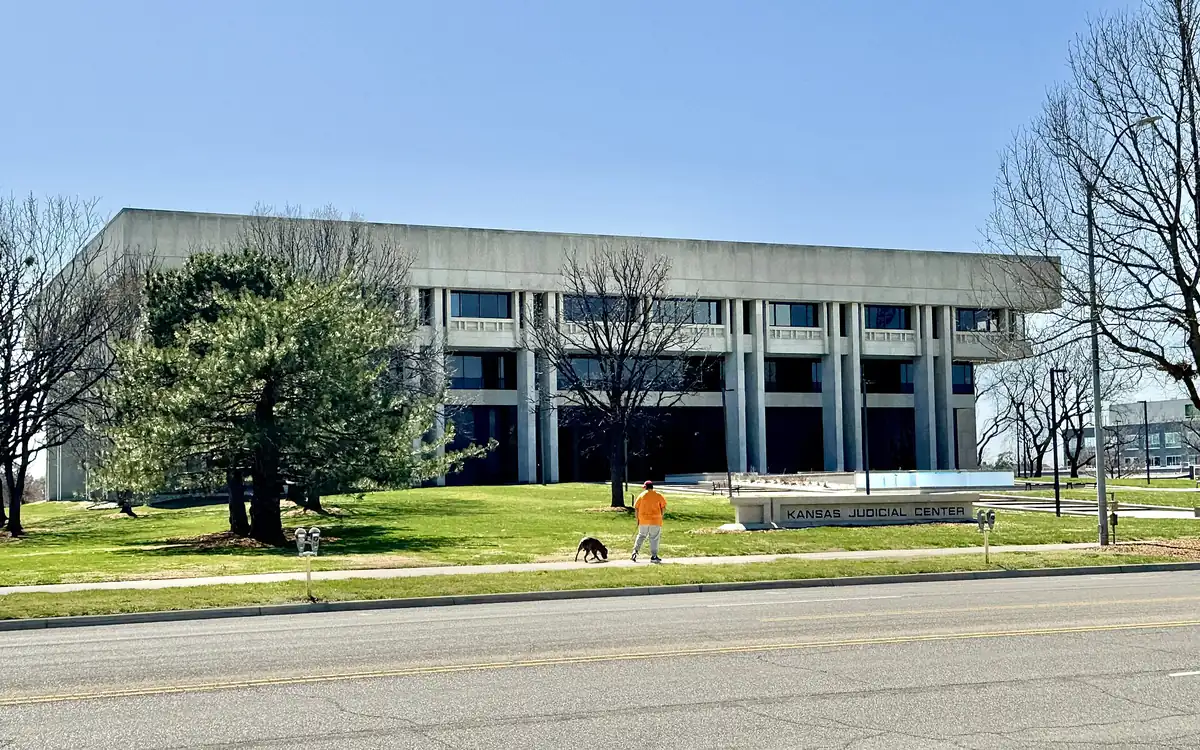
Kansas requires no disclaimer sentence. What it asks for instead is accountability: some lawyer must be named in the ad as answering for what it says (KRPC 7.2(d)). Missouri lets that name sit in the firm's ad records; Kansas puts it in the ad itself. On a website we add it to the footer and to each practice page's byline.
Lead generators, directories and domain names
Rule 7.2's commentary treats directory fees, domain registrations and online ads as ordinary advertising costs, and goes on to permit paying for internet leads on three conditions: the seller can't recommend the lawyer, the payment has to fit the fee-sharing and independence rules, and the seller's own messages can't mislead. That rules out a vendor whose pitch suggests it vouched for the firm, or that it studied the person's case before picking a lawyer. This is the sharpest difference from Missouri, where Informal Opinion 2025-05 limits paid lead services to registered referral services.
No "specialist" in Kansas
Listing fields of practice is fine. Claims of certification need two things: a certifier that a state authority approved or the ABA accredited, and that certifier's name in the ad (KRPC 7.4). The comment adds that "stating that the lawyer is a 'specialist' is not permitted" unless the lawyer is certified or recognized under the procedures of the state where they are licensed. A bio written for Missouri with the 4-7.4 disclaimer can't simply be reused on a Kansas page.
Solicitation: a label, email allowed, no waiting period
When the lawyer's motive is a fee, the first approach to a prospective client can't be made in person, by live phone call or by real-time electronic contact; the rule exempts only other lawyers, relatives of the lawyer, and people the lawyer knows through a close personal or prior professional relationship (KRPC 7.3). A targeted letter, email or recording to someone known to need legal help must carry the words "Advertising Material", on the envelope if there is one and at the start and end of a recording or electronic message. The comment says such messages may go by email, and that a website, banner ad or automatic search result isn't solicitation at all. Nothing in the Kansas rule makes a lawyer wait after an accident before writing. A Kansas statute does restrict selling services to people on name lists taken from public records (K.S.A. 45-230); we found no case applying it to lawyers, but any mailing built from crash reports should be cleared with counsel first.
Records, names and pre-approval
Ad copies and their run dates are kept two years, as in Missouri. Trade names follow the same test as Missouri's, a website address can serve as the firm's name, and a multi-jurisdiction firm's office listings must flag any lawyer there who lacks a Kansas license (KRPC 7.5).

A site that serves both states
A firm with lawyers in both states can meet both sets of rules on one site by following the stricter rule on each point: Missouri's disclaimer and results statement, Kansas's named responsible lawyer and its caution about results and endorsements, Missouri's limits on paid leads, and no "specialist" wording on any page Kansas readers will see. Presenting a multi-state firm's admissions is covered on our Philadelphia page, another metro split by a state line.
The audit checks your site against Missouri's disclaimer rule and Kansas's results comment.Get My Free Audit
Paid search
Kansas and Missouri lawyer Google Ads: budgets, Local Services and a line on the map
Plenty of the visits to this page come from people shopping for search engine marketing, not SEO: Google Ads consultants, Local Services Ads (LSA) help, digital marketing for lawyers in Kansas or Missouri. Paid search runs into the state line in its own ways. We manage these campaigns under our law firm PPC service; the firm pays Google for the clicks, and our fee is billed on its own.
A radius around downtown crosses the line
Google Ads can target a radius, a city, a county or a whole state. A radius drawn around the Power and Light District takes in Kansas City, Kansas, Mission and Overland Park as well as the Missouri side. Google also says that when an advertiser targets an area it may show ads in nearby, closely related areas, and that location targeting is a best effort without guaranteed accuracy (Google Ads Help). For a firm whose lawyers are licensed in one state, we build campaigns from counties and cities on that side and review the location report each month for clicks from the other.
Local Services Ads check the license
Google's U.S. screening page for Local Services Ads lists license checks at the state level among its requirements, requires a verified Business Profile, and says verification takes three to four weeks on average after documents are submitted (Local Services Help). A firm that wants Local Services Ads on both sides needs a lawyer licensed in each state it advertises in, and should start the process early.
Ad text under the disclosure rules
A search ad is far too short to hold Missouri's 4-7.2(f) sentence. Neither the rule nor the ethics opinions address search ads specifically, so we take the cautious course: the sentence goes on every landing page a Missouri ad points to, and the ad text itself goes to the firm's attorneys for approval. For Kansas we make sure the landing page names a responsible lawyer. Ads that mention results or "no fee" get the qualifiers from the rules sections above, in Missouri's case conspicuously.
Broadcast and video ads in Missouri
Missouri's comment allows the 4-7.2(f) disclaimer to be made orally or in writing on television but requires it orally on radio, and Rule 4-7.1(i) requires any dramatized scene to be conspicuously labeled as a simulation. Kansas has no equivalent rule. A video that runs on both sides is easiest to make once, to the Missouri standard.
AI answers
When an AI answer mixes Missouri law with Kansas law
AI assistants answer "how long do I have to sue after a car accident in Kansas City" from whatever pages they can find. On a metro where the true answer is "five years or two, depending on the side", the risk is an answer that blends the two, or that applies one state's rule to a reader in the other. Nobody controls which sources an assistant uses, us included. What a firm controls is whether its own pages make the right answer easy to lift.
Name the state before the rule
The first sentence of a deadline or rule answer should name the state and the statute: "In Kansas, an injury lawsuit must be filed within two years (K.S.A. 60-513)." A page that says "you have two years" and mentions Kansas three paragraphs later gives a summarizer nothing to attach the number to.
A page per state for deadline-driven practices
Crash, wrongful death, DWI and workers' comp pages split cleanly by state. A single page covering "Kansas City" that lists both states' deadlines in one paragraph is the kind of source most likely to be quoted half-right. Two pages, each linking the other, are safer and rank better for searches that include "Kansas" or "Missouri".
Consistent facts about the firm
Whatever the site says about the firm, its Business Profile, directory and bar listings should say too: one name, the same offices and numbers, the same admissions. When an assistant describes the firm, those are the facts it repeats; a Kansas office missing from half of them, or a lawyer listed as admitted in a state they aren't, is what gets repeated.
State and county in the page's schema markup
We mark up each office page with its own address, and each practice page with the area it serves, so the state is explicit in the code as well as the text. That doesn't guarantee a citation. It removes one reason an assistant might give a reader the other state's answer.
Beyond downtown
Notes for firms outside downtown, from the Johnson County suburbs to Wichita and St. Louis
GLP has no other page for either Missouri or Kansas, so a firm anywhere in the two states, suburbs included, that looks for a nearby law firm SEO company or SEO consultant tends to arrive here. These notes come from the same records as the rest of the page.
Olathe and Johnson County
Olathe is home to the Johnson County Courthouse and the 10th Judicial District court (10th Judicial District). Johnson County had the lowest traffic death rate of the six counties in our chart, and KDOT's 2024 city summaries count 1,272 people injured in crashes inside Overland Park. Firms here compete in a Kansas map that Missouri injury firms reach into, as the survey showed, so an Olathe firm's crash pages have to say "Kansas" clearly to stand apart.
Firms based in Overland Park
Overland Park's police department posts its crash reports online free of charge, a detail worth linking on any Johnson County injury page. A firm based here is the most likely Kansas office to be found in Missouri-side searches for estate planning, immigration and bankruptcy, the practices where our survey saw Kansas offices cross over.
Independence and eastern Jackson County
The 16th Circuit hears family cases at its Independence Courthouse Annex as well as downtown. With more than 100,000 residents it falls under the same 90-day notice to the mayor for its streets and sidewalks. A firm in Independence or Lee's Summit writes to Missouri law, with its own courthouse details.
Topeka and Wichita: same Kansas rules, a different map
Topeka is where the state's highest court meets, and federal judges for Kansas sit in Kansas City, Topeka and Wichita (District of Kansas). For a Topeka or Wichita firm, everything on this page about the Kansas rules and Kansas injury law applies unchanged; only the map and the courthouse details are local.
St. Louis and Springfield: same Missouri rules, other courthouses
Missouri's advertising rules, its five-year limit and its notice statute apply statewide, and the registered referral services on the Office of Chief Disciplinary Counsel's list include the Springfield Metropolitan Bar Association's. A St. Louis or Springfield firm uses the Missouri sections of this page as written and replaces the Kansas City map and court details with its own.
- Omaha, NEThe nearest GLP city page, up I-29
- Oklahoma City, OKOklahoma's rules and the I-35 corridor south
- Denver, COColorado's rules, west along I-70
- Chicago, ILRenters, transit riders and Illinois's rules
- Philadelphia, PAPennsylvania's rules and a three-state metro
- Personal injury SEOFor plaintiffs' firms
Kansas City questions, from both sides of the line
Other questions can wait for the optional call that follows your audit video.
In short
Kansas City lawyer SEO across the state line, covered here: crash injuries by county, a dated map survey of Missouri and Kansas offices, the injury, DWI and traffic rules that change at State Line Road, and the full Missouri and Kansas lawyer-advertising rules.
Does a Kansas City firm need an SEO company with an office in the metro?
No, and GLP doesn't have one. We're based in West Hollywood, California, and work with Kansas City firms on scheduled calls. What a firm here does need is an agency that knows which state's law each page states and which state's advertising rules each page answers to. Your map listing is built from your office address, not ours.
A vendor offers us crash leads from both states. Can a Missouri lawyer pay for them?
On the Missouri side, only through a registered service. Rule 4-7.2(c) allows buying ads but not buying a recommendation, and Informal Opinion 2025-05 applied that to lead generation: paid lead services must be qualified services registered with the Office of Chief Disciplinary Counsel, whatever the vendor calls its fees (Informal Opinion 2025-05). Kansas's Rule 7.2 commentary is looser. Paid internet leads are allowed there when the seller makes no recommendation of the firm, the money stays within the fee-sharing and independence rules, and nothing the seller says misleads. Check the vendor against both states before buying.
Do we need separate pages for Missouri clients and Kansas clients?
For deadline-driven practices, usually yes. Injury, wrongful death, DWI and comp pages carry numbers that change at State Line Road, and one page holding both sets is the kind an AI summary quotes half-right. Where the rules barely differ, one page naming both states can do the job.
Can a Missouri office be found in Overland Park searches?
Sometimes. In our November 5 survey, 48 of the 280 listings returned for "Overland Park" searches were Missouri offices, most of them injury and accident firms. The map weighs the address, the distance and the words searched, so nobody can promise a placement across the line. What a Missouri firm can control is a site with Kansas pages written by lawyers licensed there, and reviews from Kansas clients asked for the ways Google allows.
We have a marketing coordinator. Can GLP act as our SEO consultant instead of a full agency?
Yes. There are two ways to hire us, SEO and AI search on its own or a Consulting CMO role that also covers paid media, intake and your other vendors, and each firm's scope is written for it (how we work). With an in-house coordinator, the work leans toward direction: an audit, a map of which Missouri and Kansas queries each page should own, and review of new pages before your attorneys approve them.
Does the Missouri disclaimer have to appear in Spanish on our Spanish pages?
Yes. Under Rule 4-7.2(h), words or statements that Rules 4-7.1 to 4-7.3 require must appear in the language of the advertisement, and an ad in more than one language carries them in each (Rule 4-7.2). A Spanish injury page for a Missouri firm needs the choice-of-a-lawyer sentence and any past-results statement in Spanish, not a link back to the English version. Kansas has no fixed disclaimer, so a Spanish page for a Johnson County office mainly needs the name of the lawyer who answers for it.
What do you need from us before the audit starts?
Two answers and nothing else to begin: the side of the line your office is on, and the practices you want more cases in. If you hire us later, we ask for access to the site, the Business Profile, Search Console and analytics, all of which stay in the firm's name.
We are a Wyandotte County firm. What here applies to us?
Most of it, and all of the sections on Kansas rules and deadlines. Kansas City, Kansas is its own city in Wyandotte County, and its state cases go to the 29th Judicial District (district court page), with federal cases at the District of Kansas courthouse in the same city (District of Kansas). The map survey above shows how rarely a Kansas City, Kansas office appeared for a plain "Kansas City" search made downtown, which is why a KCK firm's site usually needs to say "Kansas City, Kansas" and "Wyandotte County" in its titles and headings.
Can GLP handle our office IT in Overland Park or Kansas City?
No. That work, from office networks to laptops and practice software, is an IT company's job. Our technical work covers the website and the accounts behind it: hosting, the domain, analytics and Search Console, and the structured data search engines read. If an audit turns up something outside that, such as a lapsed certificate on a client portal, we tell you and leave the fix to whoever runs it.
Our firm already makes videos; can GLP get them seen on both sides of the line?
Making videos for client firms isn't on our service list, even though GLP films its own. When a firm already has videos, the work we do is the search side: titles, descriptions and transcripts that match what people type, placed on pages that can rank. A Missouri script still has to label any dramatized scene as a simulation under Rule 4-7.1(i), covered in the Missouri rules section above, and both states expect the copy to be kept for two years.
What does a monthly SEO plan cost for a Kansas City firm?
There is no package price. Fees are a monthly retainer set after we study your market, practices and site, with the scope agreed in writing before anything is signed (how we work and what it costs). For a firm planning pages on both sides of the line, the number of practice-and-state combinations is usually what moves the scope most.
Do you also work with medical practices in Kansas City?
A share of the queries landing here come from doctors and clinics looking for medical SEO, not from law firms. GLP has a separate page on SEO for medical practices; this page is about lawyers and the rules that govern their advertising in Missouri and Kansas.
If our Google Ads target a radius around downtown, will Kansas searchers see them?
Very likely. A radius drawn around the Power and Light District takes in Kansas City, Kansas, Mission and Overland Park as well as the Missouri side, and Google says ads may also show in nearby, closely related areas, with location targeting a best effort (Google Ads Help). A firm that only wants Missouri cases can target Missouri counties instead of a circle. When Kansas clicks do arrive, the landing page should say in its opening lines which state's law it covers, so a Johnson County reader isn't handed a Missouri deadline.
We want Local Services Ads on both sides of State Line Road. What does Google check first?
The license, state by state. Google's U.S. screening page for Local Services Ads lists state-level license checks among its requirements, asks for a verified Business Profile and puts verification at three to four weeks on average once documents are in (Local Services Help). A firm advertising in Missouri and Kansas therefore needs a lawyer licensed in each, and a Kansas listing built on a real, staffed Kansas address. Start the paperwork for both states together, because the slower approval decides when the ads can run on both sides.
See what a client on your side of the line finds when they search
Start with two facts: the side of State Line Road your office is on, and the cases you are short of. We search the way your clients do, look over your listing and your pages, and send what we find within 48 hours.
Or call Call (661) 388-5526