
For firms in the Loop, the neighborhoods, the collar counties and downstate
Lawyer SEO in Chicago, IL
SEO for lawyers in Chicago: planned around a city of renters, riders and phone searches.
Chicago firms hire GLP to be found in Google results, in the map listings and in the answers AI tools give. Our plans start from the people who live and rent in the city, and nothing goes live before it has been read against Illinois Rules of Professional Conduct 7.1 to 7.5.
What follows is the part of lawyer SEO and legal marketing that only applies in Chicago: who the city's clients are, what they ask Google and AI tools, and the Illinois rules a firm's pages, listings and ads must follow. Everything that is the same in every market, such as site architecture and links, belongs to law firm SEO.
Free, done by a real person, and in your inbox within 48 hours.
What we do
Chicago lawyer SEO and legal marketing, built around the city's clients
GLP is a legal SEO agency for law firms, and in Chicago that work starts with the people who will search for you. More than half of the city's households rent, about one in four has no car, and adults aged 25 to 34 make up almost a fifth of the population. Those facts decide which practice pages a Chicago firm needs, how they must work on a phone and which questions they have to answer. The work below applies to a firm in Chicago or anywhere else in Illinois.
Practice pages built on Illinois statutes and Chicago ordinances
A Chicago tenant page that never mentions the Residential Landlord and Tenant Ordinance, or an injury page that gives the general two-year deadline to someone hurt on a CTA bus, loses the reader and the search. We write each practice page around the code section, the court and the city rule that govern it, and we link the source so a reader, a judge's clerk or an AI tool can check it.
A site that works on the phone a client already holds
One Chicago household in ten has a smartphone and no other computer. Pages load fast on a cellular connection, put the phone number and the office address where a thumb finds them, and answer the question in the first lines before the detail. We test on a throttled mobile connection, not on an office desktop.
A Business Profile and reviews that match the practice
Map results depend heavily on the profile. We set categories that match the cases you want, fill in services and hours that match when someone actually answers, and make review requests part of intake, so the reviews mention the kind of matter and the neighborhood without anyone scripting them.
Answers AI tools can lift and check
Younger Chicagoans ask ChatGPT and Google's AI answers before they call anyone. We rewrite key pages so each section opens with a direct answer, keep the firm's name, address and phone identical across the site, the Business Profile and the main directories, and record which AI tools name the firm for a set of Chicago questions.
An Illinois Rule 7 read on every page and listing
Illinois bans "expert" and "specialist" unless a named award or certificate is cited with a set disclaimer, requires a responsible lawyer's name and office address on ads, and since July 2025 regulates directories and lead sellers as connecting services. We check page copy, title tags, image text, ads and listings against Rules 7.1 to 7.5 before anything is published. The firm keeps the final say.
Start with a free audit. It shows which Chicago searches go to other firms today, and it marks any line on your current site that Illinois Rule 7.4 would question.
Get My Free AuditThe people behind the searches
Who Chicago clients are, before we write any keyword list
A keyword tool tells you what people type. The Census, the city's crash file and the state's lawyer registry tell you who is typing and why. Before any Chicago proposal, we pull these numbers, and every row below links to where it came from.
| Figure | Chicago | United States | What it changes for a firm's site |
|---|---|---|---|
| Renting, not owning, their home (ACS DP04) | 54.0% | 34.8% | Tenant and landlord matters are a large, local search market with its own city ordinance. |
| No car, truck or van in the household (ACS DP04) | 26.6% | 8.4% | Injury pages have to speak to people hurt on foot, on a bike, on transit or in a rideshare. |
| Workers who commute by public transit (ACS DP03) | 17.7% | 3.2% | Claims against the CTA follow a one-year deadline that general injury content leaves out. |
| Residents aged 25 to 34 (ACS DP05) | 19.6% | 13.7% | A client base that asks AI tools early and reads reviews closely. |
| Households whose only computer is a smartphone (ACS S2801) | 10.4% | 9.5% | For about 120,000 households the phone is the only computer, so a page that fails on it fails outright. |
| 2025 crashes where a pedestrian or cyclist was struck first (City of Chicago) | 4.9% of crashes, 34.4% of deaths | n/a | A small share of crashes produces a large share of serious cases, and each needs its own page. |
| Illinois-based lawyers with a Cook County office (ARDC 2025) | 47,089 (71.8%) | n/a | The competition for a Chicago search is local, crowded and mostly within a few miles of your office. |
The Census rows use five-year American Community Survey estimates (2020-2024) for the City of Chicago, set against the national figure. The crash row counts police reports dated 2025, as published on November 4, 2026.
A majority-renter city
Security deposits, evictions and the RLTO in a renters' city
Fifty-four percent of Chicago households rent. Nationally the figure is about a third. That gap turns housing law into one of the city's steadiest sources of legal searches, on both sides of the lease, and it rewards firms whose pages get the local rules exactly right.
The ordinance most Chicago tenant searches are about
Chicago's Residential Landlord and Tenant Ordinance, chapter 5-12 of the Municipal Code, sets rules that state law alone doesn't. Under section 5-12-080 a landlord must hold deposits in a federally insured, interest-bearing account at an Illinois institution, give a signed receipt, pay interest on deposits held more than six months, and return the deposit within 45 days after the tenant moves out. Deductions for damage need an itemized statement within 30 days, with receipts. A landlord who fails any of those steps owes the tenant two times the security deposit plus interest. Those numbers are what a tenant page has to state, plainly and near the top.


The exclusion that decides whether a case exists
Section 5-12-020 excludes owner-occupied buildings with six or fewer units from the ordinance, which takes many of the city's two-flats and three-flats out of it. Picture a tenant in an owner-occupied two-flat who reads a page promising double damages and calls. Nobody can help. A good tenant page sorts readers first: owner on site or not, how many units, then what the ordinance gives, an order that spares intake staff a wasted call and keeps the page honest under Rule 7.1.
Fee shifting changes who can afford to call
Section 5-12-180 lets the prevailing plaintiff in a dispute under the ordinance recover court costs and reasonable attorney's fees, except in eviction cases (Municipal Code of Chicago). That one provision is why tenant firms can take deposit cases worth a few thousand dollars, and it belongs on the page in plain words, because a renter's first question in our survey was what a tenant lawyer costs.
Pages for the landlord side as well
Landlords search too, mostly when they need to evict or when a former tenant's letter cites the ordinance. Eviction cases from the city belong to the First Municipal District, whose office is in the Daley Center and whose sections also include housing and small claims (Circuit Court of Cook County). A landlord-side firm needs a page that explains the deposit rules from the owner's side, the notice steps before filing, and why a small paperwork miss can cost twice the deposit.
What renters type, word for word
Google's own suggestions show the vocabulary. Around "security deposit lawyer chicago" it offered "Chicago security deposit law less than 5 units", "security deposit interest Chicago calculator" and "Chicago RLTO security deposit". Around tenant lawyers it offered "free tenant lawyer Chicago" and "tenant lawyer free consultation Chicago". A firm that answers the unit-count question, shows how interest is figured and says whether the first call costs anything has matched those searches in its own words.
Injured without a car of their own
When the client was walking, cycling or riding the CTA
In a city where 26.6% of households have no vehicle and 17.7% of workers ride transit to work, a large share of injury clients were never behind the wheel. The city's crash file shows how much those cases weigh. Of 109,117 crash reports dated 2025, a pedestrian was the first thing struck in 2,918 and a cyclist in 2,466. Together those crashes were under 5% of reports but 18.5% of recorded injuries and 32 of the year's 93 deaths.
Pedestrian and cyclist crashes in Chicago, 2025: share of reports, injuries and deaths
All 109,117 crash reports dated 2025 in the City of Chicago file; 24,960 injuries and 93 deaths recorded
- Pedestrian struck first 2.7% 11.1% 32.3%
- Cyclist struck first 2.3% 7.4% 2.2%
Use the arrow keys to read each value.
| First thing struck | Share of crash reports (%) | Share of injuries (%) | Share of deaths (%) |
|---|---|---|---|
| Pedestrian struck first | 2.7 | 11.1 | 32.3 |
| Cyclist struck first | 2.3 | 7.4 | 2.2 |
Source: City of Chicago, Traffic Crashes - Crashes (dataset 85ca-t3if), crash dates in 2025, grouped by first crash type, retrieved November 4, 2026.
Separate pages for people on foot and on bikes
A single "car accident" page treats the client as a driver arguing with another driver's insurer. A pedestrian struck in a crosswalk, or a cyclist hit by a turning car or an opened door, has a different story, different evidence and often no auto policy of their own to start from. We build a pedestrian page and a bicycle page for Chicago injury firms that want those cases, each citing the city's dataset so a reader can check the numbers, and each written in the words people use: Google's questions in our survey included "can you sue a cyclist for hitting you" and "how to claim for a bicycle accident".
The shorter clock on a claim against the CTA
Illinois gives most injury claims two years (735 ILCS 5/13-202). A suit against the Chicago Transit Authority for a personal injury must be filed within one year from the date the cause of action accrued (70 ILCS 3605/41). The section as it reads today contains no separate notice step; it was last amended by Public Act 96-12, effective June 1, 2009, so any page describing a notice-of-claim requirement should be checked against the current text. A bus or train injury page should put the one-year limit in its first screen.
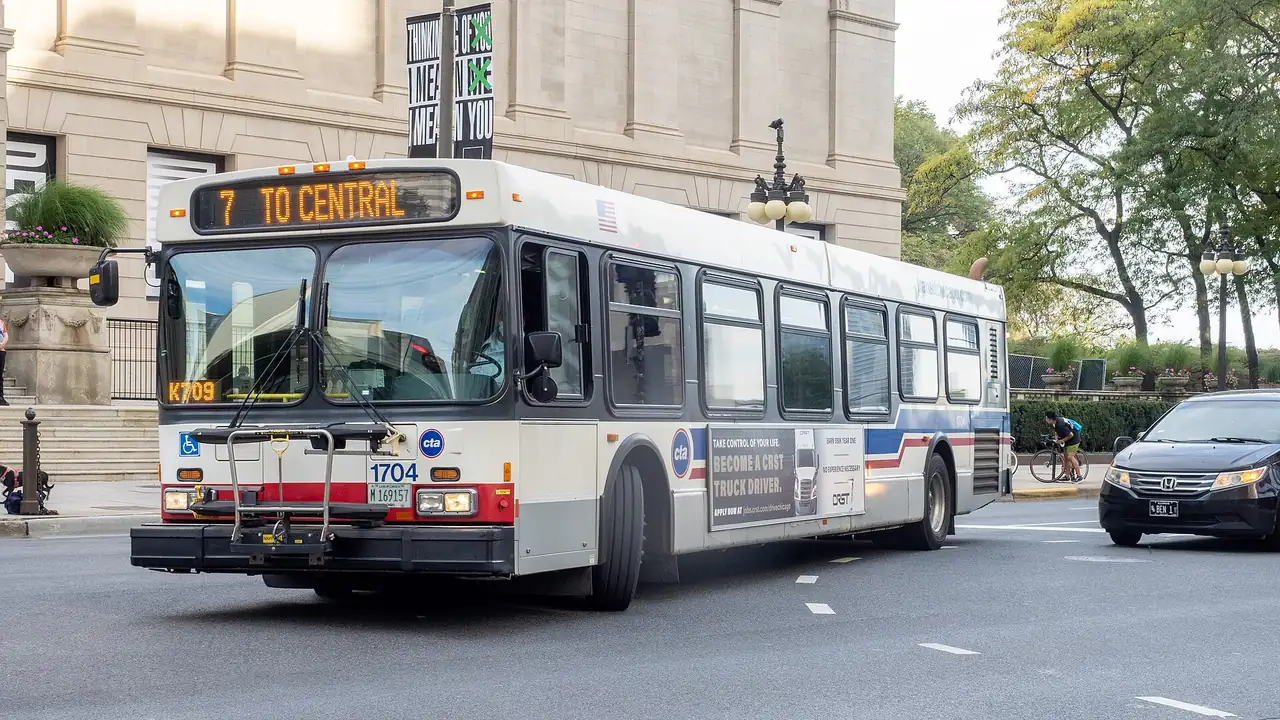

City streets, city vehicles and the Tort Immunity Act
Claims against the City of Chicago and other local public entities, such as a crash with a city vehicle or a fall caused by a defect the city knew about, fall under the Local Governmental and Governmental Employees Tort Immunity Act, which sets a one-year limit from the date of injury (745 ILCS 10/8-101). Injury firms win these readers by saying early that a public defendant changes the deadline, and by explaining the immunities in plain language rather than promising that every sidewalk fall is a case.
Rideshare passengers and the $1 million policy
Google's questions around "uber accident lawyer chicago" were about whether you can sue Uber and how much it pays. The Illinois answer starts with the Transportation Network Providers Act: from the moment a driver accepts a ride until it ends, primary liability coverage of $1,000,000 must be in place, while a driver who is logged in but waiting needs $50,000 per person and $100,000 per incident (625 ILCS 57/10). The statute is scheduled for repeal on September 1, 2028, so a page built on it needs a review date. We put that date in the page notes the day the page goes live.
Expressway crashes are missing from the city's numbers
The city dataset covers crashes where the Chicago Police Department responded. Interstates and many ramps are policed by other agencies, so their crashes are missing. Quote the city file for a pileup on the Dan Ryan or the Kennedy and the page has cited the wrong source; we name the agency whose records apply and keep city figures on city-street pages.
Mobile first, in the literal sense
Chicago searches that start and end on a phone
The Census asks every surveyed household what computers it has and how it connects. In Chicago, 10.4% of households have a smartphone and no other computer, 12.5% connect only through a cellular data plan, and 10.8% have no internet subscription at all (ACS S2801). Those shares sit a little above the national ones, but in a city of 1.16 million households they mean well over 100,000 homes where a law firm's website is read on a phone or not at all. Add the transit riders searching between stops and the case for building every page for the small screen first makes itself.
What a phone-only reader needs above the fold
The reader on a phone sees a headline, two or three lines and a button. We put the practice and the city in the headline, the answer to the most common question in those first lines, and a tap-to-call number above the fold. The office address appears as text, not only inside an image or a map, so the phone can open directions and so Rule 7.2(a)'s name-and-office requirement is met in plain sight.
Speed on a cellular connection, measured in the field
A page that loads well on office Wi-Fi can stall on a crowded train. We check Google's field data from real visits, not only lab tests, and fix what slows a page on a mid-range phone: oversized images, heavy chat widgets that load before the text, and fonts that block rendering. Chat tools get special care in Illinois, because a firm-initiated live chat can stray into the real-time contact Rule 7.3(a) restricts. More on that in the rules section below.
Forms short enough to finish with a thumb
Long intake forms are abandoned on phones. A first-contact form needs a name, a phone number, a short description and a choice of language if the firm offers one. Everything else belongs in the follow-up call. Every field we remove is one less reason for a renter on a lunch break to give up.
Accessible pages are easier to use on any screen
We build to WCAG 2.2 level AA: readable contrast, tap targets large enough for a thumb, forms that work with a screen reader, and text that reflows without sideways scrolling. Those rules were written for people with disabilities, and they also happen to describe what a reader on a cracked phone screen in bright sun needs.
AI search, by age group
Chicago's under-35 clients and the AI tools they ask before anyone else
Pew Research Center's 2026 survey found that adults under 50 are about twice as likely as those 50 and older to use ChatGPT, 57% against 28% (Pew Research Center, June 2026). Chicago's population leans toward the younger group. People aged 25 to 34 are 19.6% of the city against 13.7% nationally, and the 20-to-44 band as a whole is 41.5% of Chicagoans against 33.4% of all Americans. A Chicago firm's next client is more likely than average to ask an AI tool about the problem before searching for a lawyer by name.
How old Chicagoans are, against the national age mix
Percent of all residents in each age group, 2020-2024
- 20 to 24 7.2% 6.5%
- 25 to 34 19.6% 13.7%
- 35 to 44 14.7% 13.2%
- 45 to 54 11.8% 12.2%
- 55 to 64 11.1% 12.6%
- 65 and older 13.9% 17.2%
Use the arrow keys to read each value.
| Age group | Chicago (%) | United States (%) |
|---|---|---|
| 20 to 24 | 7.2 | 6.5 |
| 25 to 34 | 19.6 | 13.7 |
| 35 to 44 | 14.7 | 13.2 |
| 45 to 54 | 11.8 | 12.2 |
| 55 to 64 | 11.1 | 12.6 |
| 65 and older | 13.9 | 17.2 |
Source: U.S. Census Bureau, American Community Survey 5-year estimates 2020-2024, table DP05 (Chicago city, Illinois; United States). The 55-64 and 65+ groups add the published bands.
What a younger client asks an AI tool
The questions that reach an AI tool are the ones a person might be embarrassed to ask a lawyer: whether a case is worth anything, what not to say, whether a lawyer is worth the money. Our Chicago survey, described in the next section, found them again and again. An AI answer to "is it worth hiring a lawyer for a DUI in Illinois" will quote someone. The firm whose page answers that question honestly, with the Illinois specifics, gives the tool something to quote.
What an AI answer needs from a firm's page
Google's documentation for site owners says that to appear as a supporting link in AI Overviews or AI Mode, a page only has to be indexed and able to show a snippet, with nothing extra to install (Google Search Central). In practice the pages that get quoted state one fact per sentence, name the statute or the court, and put the answer before the explanation. We rewrite the sections most likely to be asked about in that pattern and leave the rest of the page to read naturally.
Being the same firm everywhere
AI tools cross-check a firm against its Business Profile, its directory listings and the pages that mention it. When the firm's name, address, phone or lawyers' names differ between those sources, the tool has to guess, and it often names a firm it is sure about instead. Cleaning those records is slow, unglamorous work, and it is the part of AI SEO for Chicago firms that pays off the longest.
How we track it each month
For each client we keep a fixed list of Chicago questions in the firm's practice areas, phrased the way people ask them, and record which firms ChatGPT, Gemini and Google's AI answers name. The list doesn't change from month to month, so movement means something. We report it next to Search Console clicks and calls, and we say plainly which parts of an AI answer no agency controls.
Our search survey, November 4, 2026
What Chicagoans ask Google right after they type "lawyer"
To see what Chicago readers want from a law firm page, we ran 17 searches from a Chicago location through the Serper API on November 4, 2026, from "personal injury lawyer chicago" and "security deposit lawyer chicago" to "bipa lawyer" and "entertainment lawyer chicago". Two parts of each result page were kept: the "People also ask" box and Google's list of related searches. That gave us 68 questions and 102 related searches. We sorted the questions by theme by hand.
Price came up in nearly every practice
Seventeen of the 68 questions asked what a lawyer costs or where to get a free consultation, across injury, tenant, eviction, divorce, immigration, criminal defense, DUI, workers' compensation and entertainment law. Twenty-one of the 102 related searches used "free", "affordable", "low cost", "fees", "flat fee" or "contingency". A practice page that never says how fees work leaves its most common question unanswered. Illinois allows it: Comment [2] to Rule 7.2 lists "the basis on which the lawyer's fees are determined, including prices for specific services" among the things a lawyer may publish.
Doubts about hiring anyone at all
Ten questions asked whether hiring a lawyer is worth it or what the odds of winning are, for injury, DUI, criminal defense, immigration, workers' compensation, employment and malpractice. These are the questions Rule 7.1 makes delicate, because any answer about odds can create an unjustified expectation. We answer them with the factors that change an outcome and the steps of the process, never with a percentage or a promise.
Black, female, Indian, Spanish-speaking: who the lawyer is
Eight related searches described the lawyer (one of them appeared twice): "Black personal injury lawyer Chicago", "Black criminal defense attorney Chicago", "Black employment Lawyers Chicago", "Black medical malpractice lawyers", "Top female divorce attorneys Chicago", "Indian immigration lawyer Chicago" and "Divorce lawyers Chicago Spanish". People want to know who they will sit across from. The answer is a real attorney bio with a photo, the languages the lawyer actually speaks and the communities the lawyer serves, written by the lawyer or with the lawyer, not a line in a keyword list.
Reddit, "best" and "near me"
Four related searches added "reddit", eighteen asked for the "best" or "top" lawyers and ten added "near me" or "suburbs". People check what strangers say, compare lists and want someone close. Illinois doesn't let a firm call itself the best, so the work goes into the things readers check instead: reviews that mention the type of case, an address that matches the profile, and pages a Reddit thread could link to without embarrassment.
How the survey shapes a site plan
Each recurring question becomes either a section on the practice page or a short answer in its FAQ, in the reader's own words, with the Illinois detail that makes it worth quoting. We repeat the survey for a client's own practices before writing, because the questions shift by practice and over time. Results from a single Tuesday in one location are a sample, so the survey sets priorities and nothing more.
Illinois Rule of Professional Conduct 7.4
"Expert", "specialist" and "certified" on an Illinois lawyer's website
No Illinois advertising rule touches law firm SEO more often than Rule 7.4. Search tools suggest phrases like "Chicago car accident expert" and "divorce specialist", and many sites use them in titles, headings and image text. In Illinois those words are restricted, and the restriction reaches every place a word can appear on a page, including the ones readers never see.
What the rule says
Paragraph (b) is a policy statement: the state's high court gives no recognition to any specialty certification, nor to any body that certifies expertise. Rule 7.4(c) then says that, except when identifying a certificate, award or recognition actually issued to the lawyer, a lawyer may not use the terms "certified", "specialist", "expert" or similar terms to describe the lawyer's qualifications (Ill. S. Ct. Rules, Art. VIII). Rule 7.4(a) keeps the ordinary freedom to say which fields of law a lawyer does or does not practice.
When a named award or certificate is cited
Citing a genuine award or certificate is allowed under conditions. The mention has to be accurate and checkable, and it has to carry a statement that the Supreme Court of Illinois does not recognize certifications of specialties in the practice of law and that the certificate, award or recognition is not a requirement to practice law in Illinois. We place that statement in the same block as the credential, not in a footer link, so a reader sees both together.
The patent exception and the trademark comment
Lawyers registered with the Patent and Trademark Office may call themselves "Patent Attorney" or something close to it. The comment adds that dropping trademark and admiralty from the old rule doesn't stop lawyers from describing those areas of practice under Rule 7.4(a), so "trademark lawyer" as a field of practice is fine.
Where the words hide on a website
We search every page for the restricted terms in places an editor rarely reads: title tags and meta descriptions, image file names and alt text, URL slugs, schema markup fields, review widgets that pull in a client's "she's an expert", and the anchor text of links from the firm's own blog. Each one is a communication about the lawyer's services, and each one is visible to search engines even when a visitor never notices it.
| Phrase found on a page | Why it fails in Illinois | How we rewrite it |
|---|---|---|
| "Chicago DUI Expert" (title tag) | Describes the lawyer as an expert with no certificate or award named. | "Chicago DUI Lawyer: Breath Tests and Summary Suspensions" |
| "Board-certified specialist in workers' comp" | Illinois recognizes no specialty certification; the line implies state recognition. | Name the certifying body and the year, and add the Rule 7.4(c)(2) statement next to it. |
| "Our injury specialists" (heading) | "Specialist" used as a general description. | "The lawyers who handle our injury cases" |
| alt="best divorce expert chicago" | Alt text is still a communication; it also fails Rule 7.1 for an unprovable "best". | alt="Attorney Jane Doe at the firm's Loop office" |
| Review widget quoting "true experts in immigration" | The firm republishes the word to attract clients. | Choose reviews that describe the work, or exclude the term from the widget's feed. |
| "Patent Attorney" for a USPTO-registered lawyer | Allowed by Rule 7.4(b). | Keep it. |
The examples are composites of phrases we see on Illinois sites, not quotations from any firm.
Article VIII of the Illinois Supreme Court Rules
Results pages, referrals, live chat and firm names under the rest of Illinois Rule 7
Outside Rule 7.4, Illinois's advertising provisions fit on a few printed pages, and none of them asks a firm to submit its ads for review before or after they run. Whether a Chicago site complies is decided by what is on it. These are the points we check on every one.
Verdict pages and fee comparisons (Rule 7.1)
A statement can be accurate and still break Rule 7.1 when a missing fact changes how a reader takes it. Comment [3] names the two traps law firm marketing falls into most: reporting past results in a way that suggests the same result for the next client, and comparing the firm's services or fees with other lawyers' in a way that can't be backed up. The same comment allows that a fitting qualifier can keep such a statement from being found misleading. On results pages we place that qualifier beside each result, not in a footer, and we keep comparisons to facts that can be checked, such as hours, languages or locations.
The footer that answers Rule 7.2(a)
Under Rule 7.2(a), an advertisement has to carry the identity and street address of somebody accountable for it, a lawyer or the firm. On a website we meet that in the footer of every page, with the full street address as text. For ads and social posts it takes planning, since space is short; the paid search section below shows how we handle it.
Paying people who send clients (Rule 7.2(b))
A lawyer may not give anything of value to a person for recommending the lawyer's services. The exceptions allow paying the reasonable costs of advertising, buying a practice under Rule 1.17, and reciprocal referral arrangements with another lawyer or a nonlawyer professional that are not exclusive and are disclosed to the client. Comment [5] confirms that a firm may pay employees and vendors who provide marketing, including publicists, business-development staff and website designers. That is the provision that covers paying an agency like GLP for its work, as opposed to paying anyone per referral.
Live chat, follow-up emails and "Advertising Material" (Rule 7.3)
The Illinois comment puts websites, banner ads and replies generated automatically by internet searches outside the usual meaning of solicitation. The limits apply elsewhere. When a significant motive is the fee, Rule 7.3(a) forbids reaching out in person, by live phone call or through real-time electronic exchange, unless the other person is a lawyer or a relative, close friend or former client of the lawyer. A chat window that waits for the visitor to type is a response; a chat agent who opens with a pitch to someone the firm knows has a legal problem is closer to the line. And when a recorded or electronic message seeks work from someone the firm knows needs help with a specific matter, Rule 7.3(c) wants "Advertising Material" at its start and its end, and on the envelope if it is mailed. Follow-up emails to people who downloaded a guide but never asked for a lawyer are where we see this missed.
Respondents in protective-order cases
Illinois adds a rule most states lack: no solicitation of a respondent in a case brought under a law providing for an ex parte protective order, before the respondent has been served. The comment names the Illinois Domestic Violence Act of 1986, the Stalking No Contact Order Act and the Civil No Contact Order Act. For defense and family firms that buy court-filing data for outreach, this is a hard stop.
A place name in the firm's name or domain (Rule 7.5)
Illinois firms may practice under a trade name, provided nothing in it suggests a tie to a government body or to a public or charitable legal aid group. Place names get a special warning. A name like "Springfield Legal Clinic", says the comment, may need a disclaimer that the firm is not a public legal aid agency. For a Chicago firm thinking about a name like "Chicago Tenant Law Center", or a domain built the same way, that warning is direct. Rule 7.5(d) adds that lawyers who share an office but aren't in a firm together may not present themselves as one.
Rule 7.2(c) to (f), in force since July 1, 2025
The 2025 connecting-service rule and every listing a Chicago firm pays for
On April 1, 2025, the Supreme Court of Illinois amended Rule 7.2, effective July 1, 2025, to regulate what it calls intermediary connecting services. The definition in Comment [6] is broad: a lawyer directory, referral service, matching service, bidding site, question-and-answer site, lead generator or similar marketplace that lists lawyers for legal services in Illinois or passes a potential client's request to lawyers, plus prepaid and group legal plans and bar association or legal aid referral services. Lawyer-to-lawyer referrals and court appointments are outside it. For most Chicago firms, several of the listings in a marketing plan now fall inside.
What the firm must tell the client
At the time of the connection or at the start of the representation, the lawyer must disclose the relationship with the service and, where it applies, whether the lawyer pays it a connecting fee and whether the lawyer pays for comparative advertising, ratings, reviews or rankings on it. We add that disclosure to the intake script and the engagement letter template, so it happens on every matter that came through a listed service.
What the service must not do
Before and while taking part, the lawyer must take reasonable steps to make sure the service meets eight conditions. Among them: it doesn't ask the lawyer to break the rules, doesn't interfere with the lawyer's judgment or set the lawyer's fee, doesn't give legal advice, makes no false statements, doesn't solicit improperly, isn't owned or managed by the lawyer's firm, and publishes its rating criteria if it rates lawyers. Except for bar and legal aid services, its fees can't depend on the outcome or be a percentage of the lawyer's fee, it can't recommend a lawyer (though it may host reviews and let users filter a list), and it can't hold client money except through a payment system that passes it straight to the lawyer.
The certification letter
The rule lets a lawyer rely on a written confirmation from the service that it meets most of those conditions, and the Court published a sample certification letter (form 12-1.1, April 2025) with check boxes for rating criteria and for whether the service is a bar or legal aid program, plus a line naming the people who own or manage it. The form tells participating lawyers to keep it. If a lawyer learns a service is out of compliance, the lawyer must ask it to fix the problem and withdraw if it doesn't within a reasonable time.
Our connecting-service checklist for a Chicago firm
- We list every directory, lead service, rating site and prepaid plan in the firm's plan and mark which ones fit the Comment [6] definition.
- For each one, we request the service's certification letter on the Court's form or an equivalent written confirmation, and file it with the date received.
- We check the service's public pages for wording that recommends a lawyer, a fee tied to the lawyer's fee, or rating criteria that aren't published.
- We give the firm the client-disclosure wording for intake and the engagement letter.
- Once a year, and whenever a service changes its pricing model, we repeat the check.
Paying GLP is a different thing. An agency that builds and promotes the firm's own site lists no other lawyers and routes no one anywhere, so it falls under the advertising-cost exception covered in the previous section, not under the connecting-service rule.
Paid search in Illinois
Paid search for Illinois firms, within the limits of Rule 7
Many firms that search for an Illinois law firm Google Ads agency or PPC consultant, a search engine marketing (SEM) firm or help with Local Services Ads (LSA) want paid and organic search planned together, so the ads cover the searches the site doesn't rank for yet and stop where the site takes over. GLP runs both. How we build campaigns in any state is set out under law firm PPC; what follows applies in Illinois.
Fitting a responsible name and address into a 30-character headline
Ad copy gets 30-character headlines, and the footer requirement described above still applies to it. Short text is no exemption. We attach a location asset with the full office address to every campaign, use the firm name in the business-name field and in at least one headline, and make sure the landing page footer carries the same name and address. An ad that shows only a phone number and "Chicago Injury Help" fails on its face.
Local Services Ads and the connecting-service definition
Local Services Ads bill by the inquiry, not the click, and only firms that clear Google's screening of licenses and backgrounds get the badge. Whether a pay-per-lead marketplace like that is an intermediary connecting service is a question for the firm's own ethics counsel. Our practice is to treat it with the same care as any listing in the previous section: we keep a record of the program's terms, add the disclosure wording to intake for leads that come through it, and track those leads separately so the firm can see what they become.
Keeping "expert" out of headlines and assets
Ad platforms suggest headlines automatically, and "expert" is among their favorite words. We turn off automatically generated assets where the platform allows it, review every suggested headline before it runs, and keep a shared list of words the account may not use. The same list feeds the Rule 7.4 check on the site.
Targeting the city, the suburbs and the rest of the state
Location targeting decides who sees an ad. For a Loop office we usually separate the city from the collar counties, because costs and conversion differ, and we exclude areas the firm doesn't serve. A statewide practice such as workers' compensation can target Illinois as a whole, with ad groups and landing pages for the places it actually takes cases from.
A practice Illinois law created
Biometric privacy suits and the firms that bring and defend them
The Illinois Biometric Information Privacy Act gives any person aggrieved by a violation a private right of action, with liquidated damages of $1,000 per negligent violation or $5,000 per intentional or reckless violation, or actual damages if greater, plus reasonable attorneys' fees and costs (740 ILCS 14/20). Few states give individuals that kind of claim, which is why fingerprint timeclocks, face scans and voiceprints have produced a body of Illinois litigation, and why "bipa lawyer" is a search with real intent behind it.
The 2024 change to how violations are counted
Public Act 103-769, effective August 2, 2024, added section 20(b) and (c): a private entity that collects the same biometric identifier from the same person by the same method more than once has committed a single violation, with at most one recovery, and the same applies to repeated disclosures of the same data to the same recipient. Pages written before that date that describe damages "per scan" are now wrong, and both plaintiff and defense firms should say so.
Opposite questions from the scanned and the scanners
The people scanned ask what BIPA is, who enforces it and whether their employer's timeclock broke it; those were Google's questions in our survey. The companies doing the scanning ask what consent and retention policy they need and what exposure looks like under the amended counting rule. A firm on either side needs its own page for its own reader, and a defense firm's page should not read like a plaintiff's advertisement.

Where these cases are heard
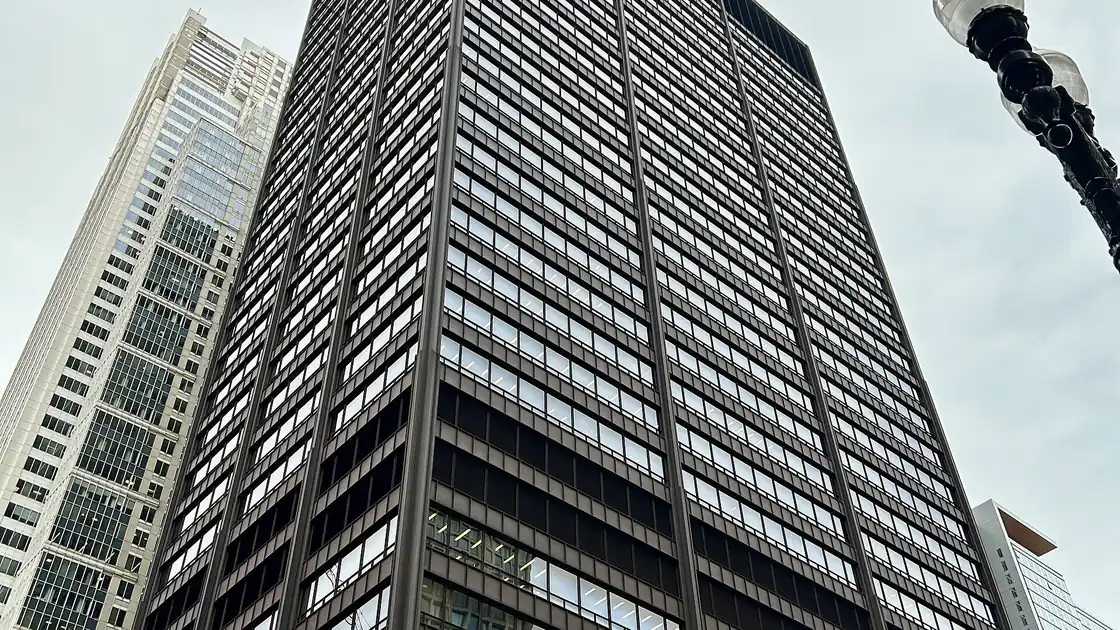
A BIPA plaintiff may sue in a state circuit court or add the claim to a case in federal district court. A Cook County class action is assigned to the Chancery Division, while a federal BIPA case brought from Chicago is heard in the Eastern Division of the Northern District of Illinois (U.S. District Court). A privacy practice page that names both routes, and explains in a sentence why a case might be in one or the other, reads as written by people who file there.
One rulebook for the whole state
Suburban and downstate Illinois firms: what changes outside the city
Wheaton, Joliet and Peoria firms looking for an Illinois law firm SEO agency end up on this page, since Chicago is the only Illinois city we write for. The advertising rules above are statewide; nothing in Rules 7.1 to 7.5 changes between Cook County and Cairo. What changes is the market around the office and the court a client deals with.
Offices in the collar counties around Cook
Suburban searches often include the town: our Search Console data for this page shows searches for law firm SEO in Naperville, Aurora, Elgin and Joliet, and for SEO services in the Chicago suburbs. A firm in Wheaton or Joliet competes partly with its neighbors and partly with downtown firms that publish suburban pages. Its own pages win by being local in substance: the county's circuit court, the county's own bar association, the commute and the distance a client will actually drive.
Downstate firms and the state's thinner markets
ARDC's 2025 report counts 8,220 lawyers in the 96 counties outside the six-county Chicago area, 12.5% of Illinois-based lawyers (ARDC Annual Report 2025). A firm in Peoria, Springfield or Champaign faces fewer local rivals, and also fewer pages already answering local questions. A practice page that names the local circuit and the questions people in that county ask can rank with less effort than the same page in Chicago, and the Chicago firms that publish statewide pages are its real competition.
Statewide practices
Some Illinois practices are statewide by nature: workers' compensation, appeals, professional license defense, and class or privacy work. For those we build one strong statewide page per matter, then local pages only where the firm has an office or a real presence.
Northwest Indiana
Firms in Gary, Hammond or Valparaiso are part of the Chicago metro but practice under Indiana's rules, which differ from Illinois's. Our Indianapolis page is the starting point for Indiana firms.
Elsewhere in the Midwest
Indiana, Ohio and Missouri: a different rulebook across the state line
A firm across the state line works under a different supreme court and different advertising rules, so these neighbors each get a page of their own. Every market GLP writes for appears on areas we serve.
Chicago firms on price, reach and the Illinois rules
In short
In short: Chicago's clients rent, ride transit and search on phones more than most Americans, they ask Google and AI tools about price and odds, and Illinois limits what a firm may say about itself. Every section below follows from those three facts.
Will we meet GLP in Chicago?
Not in person as a rule. Everyone at GLP works from or through our West Hollywood headquarters, so for an Illinois firm the work runs over video, phone and shared documents. Chicago runs two hours ahead of Los Angeles, so calls land in your morning or early afternoon. Everything on this page about Chicago comes from public records, the city's own data and our own Google survey, each linked where it is used.
Is there a set price for a Chicago law firm SEO engagement?
We don't publish a price list. GLP works on a monthly retainer, and the scope and price are written down before you sign, after the free audit and a strategy call. There is no long lock-in: we would rather earn the next month. The factors that move a quote are set out on our how we work page.
Naperville, Aurora, Elgin, Joliet: is the service the same for suburban offices?
Yes. The Illinois rules on this page apply to every firm in the state, so a DuPage, Kane or Will County office gets the same page-by-page review. What changes is the court a client's case lands in: DuPage County is the 18th Judicial Circuit, Kane the 16th and Will the 12th, each with its own clerk and local rules, so practice pages for those offices name the right circuit and not the Daley Center.
Is the work different for a Peoria, Springfield or Rockford firm?
We work with them too. ARDC's 2025 report counts 627 lawyers with a principal office in Peoria County, 1,129 in Sangamon and 672 in Winnebago, against 47,089 in Cook (ARDC Annual Report 2025, Chart 3). A downstate firm usually competes with a few dozen local practices plus the Chicago firms that publish statewide pages, which changes which searches are worth a page.
Do you design and build websites for Chicago law firms?
Yes. We build fast sites with a clear structure for practice areas and places, structured data, accessibility to WCAG 2.2 level AA, and call tracking from launch, so a call can be traced to the page that produced it. Two recent rebuilds, with page counts before and after, appear under law firm website design. On an Illinois site the build also carries the Rule 7.2(a) name and office address in the footer of every page.
Which detail do Chicago personal injury pages usually miss?
Yes. One detail we put on Chicago injury pages that generic content misses: the Cook County Law Division hears injury cases worth more than $30,000 filed from the city, and smaller ones stay in the municipal district (Circuit Court of Cook County). Readers who wonder where a case like theirs is heard get a straight answer. Injury firms elsewhere follow the method set out in personal injury SEO.
How do you plan pages for Chicago criminal defense and family law firms?
Yes. For defense firms, Cook County's Restorative Justice Community Courts in North Lawndale, Avondale and Englewood, plus a suburban court in Sauk Village opened in July 2024, take nonviolent cases for people aged 18 to 26 who live, work or worship in those areas (Circuit Court of Cook County), which gives a defense site neighborhood pages with a real reason to exist. For family firms, the Domestic Relations Division now lists custody matters as allocation of parental responsibilities and parenting time (Domestic Relations Division), so we use the court's words in the body and the word parents type in the headings. The general methods sit under criminal defense SEO and family law SEO.
Which keywords should a Chicago divorce, immigration, malpractice or entertainment lawyer target?
Start with the words the firm's own Search Console already shows, then add what Google suggests around them. In our November 4, 2026 survey, Google's related searches for a Chicago divorce lawyer included "divorce lawyers Chicago Spanish" and "affordable family law attorney Chicago"; for immigration, "Indian immigration lawyer Chicago" and "immigration lawyer chicago suburbs"; for malpractice, "how to get a malpractice attorney to take your case"; and for entertainment law, "sports law firms Chicago". Each of those is a page or a section, not a word to repeat.
Will GLP write the blog and practice content for a Chicago firm?
Yes, that is the content marketing side of the work. Practice pages, guides and FAQ blocks are written from the Illinois statute on ilga.gov, the Chicago ordinance or the court's own page, with a link wherever a number appears; chatbot answers are never a source. When we get something wrong we correct it in the open. Read the editorial policy, and the service itself under web content for lawyers.
Do you produce video for Illinois law firms?
Video production isn't a service we list; a firm that needs video marketing consultants to film will want a production company. What we do with a firm's existing videos is the search side: place each one on the page it supports, add a transcript a reader and a search engine can use, and read the script against Rule 7.1 the way we read page copy, since a filmed client story about a result raises the same expectation problem as a written one.
How should we compare marketing agencies for law firms in Illinois?
Ask each agency or SEO consultant three Illinois questions. How do you handle the words "expert" and "specialist" under Rule 7.4? Which directories and lead services on our plan count as connecting services under Rule 7.2(c), and who collects their certification letters? Who owns the website, the Business Profile and the ad accounts if we part ways? Our general checklist is in how to choose a law firm SEO company.
What does AI SEO involve for a Chicago firm in practice?
Mostly careful SEO plus a few checks AI tools depend on. One that is often missed: whether AI crawlers can reach the site at all. A security plugin or a CDN bot setting can block them without anyone noticing, and a page a crawler can't fetch can't be quoted. We check that first, then the consistency of the firm's name, address and phone across the site, the Business Profile and the directories that list the firm. We describe the other AI checks, from review signals to citation tracking, under AI SEO for law firms.
How do local results work for a Cook County firm?
Google names three things behind its local results: how relevant a profile is to the search, how far the business is from the searcher, and how prominent it is (Google Business Profile Help). In a city with 77 community areas, distance is measured from a searcher who might be four miles from your door, so we work on the parts you control: categories that match your practice, a complete profile, steady reviews and pages that tie your office to the cases you take. NAP clean-up, citations and review requests are part of our local SEO services.
Will GLP promise a first-page ranking in Chicago?
No. Nobody outside Google decides rankings, and Google itself states that a business can't request or pay for a better local ranking. Our promise is narrower and checkable: the pages, fixes and reports written into your plan, delivered when the plan says.
See which Chicago searches skip your firm today
Give us your office address and the matters your intake wants. A free audit comes back inside 48 hours with the Chicago and Illinois searches where Google or ChatGPT points people to another firm.
Or call Call (661) 388-5526