
Oklahoma County and statewide
Lawyer SEO in Oklahoma City, OK
Search visibility for Oklahoma firms whose clients answer to three governments.
Oklahoma firms hire us for one result: more clients who found them through search, the map or an AI answer. In Oklahoma City the plan starts with who the clients are: one resident in thirteen is American Indian, in a state with 38 tribal headquarters, and many of their matters run through tribal and federal law as well as Oklahoma's.
Being the firm an Oklahoma City client finds, whether they ask Google, the map or an AI tool, depends on pages that get Oklahoma law and tribal law right. City-independent method: law firm SEO.
Free, done by a real person, and in your inbox within 48 hours.
The numbers we start from
Tribal, state and federal law on a single client list
An Oklahoma City firm serves people whose matters may answer to a tribal nation, to the state and to the federal government, sometimes all three in the same file. Below are the counts our planning starts from, each tagged with the body of law it brings into a case.
| Count | What it describes | Law it brings in | Source |
|---|---|---|---|
| 55,288 | Oklahoma City residents who are American Indian alone or in combination with another race, 7.9% of the city | TribalFederal | ACS 2020-2024, DP05 |
| 14.1% | The same share for Oklahoma as a whole, against 2.4% nationally | Tribal | ACS 2020-2024, DP05 |
| 38 | Federally recognized tribes headquartered in Oklahoma | Tribal | State of Oklahoma |
| 5 of 85 | Oklahoma City firm pages in our check that mention tribes, tribal courts or the Indian Child Welfare Act at all | TribalState | Our check, Nov. 4, 2026 |
| 1 year | To file the injury notice after an accident at a tribal casino, under the model gaming compact | TribalState | 3A O.S. § 281 |
| 5,720 | Resident active and senior bar members in Oklahoma County, the most of any county | State | Oklahoma Bar Association, 2026 |
| 7.2(c) | Oklahoma's ad rule that still demands a street address, not just a phone number | State | ORPC 7.2 |
The service
Law firm SEO in Oklahoma City when a case can belong to a tribe, the state or Washington
Firms hire us to bring them the clients who search: in Google's organic results, in the map pack and in the answers from Google's AI Overviews and ChatGPT. What makes Oklahoma different is the law on the pages. A custody page, an arrest page or a casino injury page that ignores tribal and federal law is wrong for part of its audience, and readers who live with that law notice. A typical Oklahoma City engagement is made of the six pieces of work below.
State, tribal and federal
Practice pages that ask the jurisdiction question
Each family, criminal, injury and estate page states when tribal citizenship or tribal land changes the answer, and where the reader should look next.
State
A map listing for every staffed office
One Business Profile per real office, with the address Oklahoma's ad rule requires anyway, and pages for Norman, Edmond or Moore only where the firm actually practices.
State and tribal
Bios that show where each lawyer may appear
Oklahoma bar admission, federal courts and any tribal court bars, listed lawyer by lawyer, so a reader can see who can stand up in which courtroom.
Tribal and federal
Answers an AI tool can quote
Short, sourced paragraphs on McGirt, ICWA notice and claim deadlines, written so Google's AI Overviews and ChatGPT can cite them without bending them.
State
Results and fee pages built to Oklahoma's opinions
Verdicts and settlements with the disclaimer Opinion 320 asks for, fee statements that don't promise more than the engagement letter does.
All three
Tracking from first search to signed case
Calls and forms tagged by practice, so the firm can see whether its tribal-law pages bring clients or only readers.
The searches that bring Oklahoma firms here
The Search Console queries for this page come in two kinds. Some are about the city: "seo for law firms oklahoma city", "attorney seo okc", "legal marketing oklahoma city", "lawyer marketing oklahoma city", "law firm seo company oklahoma city ok". More are about the state: "oklahoma law firm seo", "seo for law firms in oklahoma", "legal seo oklahoma", "law firm marketing oklahoma", and a long tail asking for an "oklahoma lawyer digital marketing company", "oklahoma attorney marketing consultants" or a "law firm digital marketing agency". A few are as short as "seo services okc". All of them point to the same need, a firm that wants signed cases from search and an agency that knows the state's law well enough to write about it.
Lawyer sign-off on tribal-law pages
We research, write, build and report. A lawyer at the firm approves every page that states the law, and anything touching tribal law goes to the lawyer who practices it, because a page that misstates a tribe's jurisdiction does more harm than having no page at all.
Want to know how your own custody and arrest pages read to a tribal family? Ask for the free audit; a person on our team checks it and sends a short recording within two days.
Who the clients are
55,288 American Indian residents, and what the Census count means
The Census Bureau's American Community Survey for 2020 to 2024 counts 55,288 Oklahoma City residents who identify as American Indian or Alaska Native, alone or together with another race: 7.9% of the city's 697,125 people. Nationally the share is 2.4%. In the state as a whole it is 14.1%, more than one Oklahoman in seven.
American Indian residents across the Oklahoma City and Tulsa areas
Share identifying as American Indian, by itself or alongside another race; Census five-year survey to 2024
- Oklahoma City 7.9% 3.2%
- Oklahoma County 7.9% 3.0%
- Norman 9.3% 3.9%
- Edmond 6.4% 1.3%
- Cleveland County 9.7% 4.0%
- Tulsa 10.4% 4.2%
- Tulsa County 11.9% 4.9%
- Oklahoma 14.1% 7.3%
- United States 2.4% 0.9%
Use the arrow keys to read each value.
| Area | Alone or in combination | Alone |
|---|---|---|
| Oklahoma City | 7.9 | 3.2 |
| Oklahoma County | 7.9 | 3 |
| Norman | 9.3 | 3.9 |
| Edmond | 6.4 | 1.3 |
| Cleveland County | 9.7 | 4 |
| Tulsa | 10.4 | 4.2 |
| Tulsa County | 11.9 | 4.9 |
| Oklahoma | 14.1 | 7.3 |
| United States | 2.4 | 0.9 |
Source: U.S. Census Bureau, American Community Survey 2020-2024 5-year estimates, table DP05 (American Indian and Alaska Native alone, and alone or in combination with one or more other races).
Alone, or in combination
The two figures measure different things. 22,217 residents, 3.2%, give American Indian as their only race; more than twice as many include it with another. Neither number counts tribal citizens: the Census asks how people identify, while citizenship is set by each tribe, and Oklahoma's ICWA statute says a tribe's determination of membership "shall be conclusive". For a firm, that means the client who matters legally is not always the one who looks like the statistic, and intake has to ask.
Norman, Edmond and Tulsa compared
In Norman 9.3% of residents give American Indian as all or part of their race, 9.7% across Cleveland County; Edmond's figure is 6.4%. Tulsa is higher, 10.4% in the city and 11.9% in Tulsa County, with 80,680 people in the county. Oklahoma County as a whole matches the city at 7.9%, or 63,396 people. Every one of those markets has firms competing for the same family, criminal and injury searches, and very few of them write for this part of their audience.
A state of 38 tribal headquarters
The State of Oklahoma lists 38 federally recognized tribes headquartered here, from the Absentee-Shawnee Tribe to the Wyandotte Nation, plus the Yuchi, which is not federally recognized (Oklahoma Department of Libraries). The Indian Health Service's map of the area is headed "39 Federally Recognized Tribes in Oklahoma" but lists the same 38, so we use 38. Each nation has its own government, courts and codes, and a client's tribe decides which of them apply.
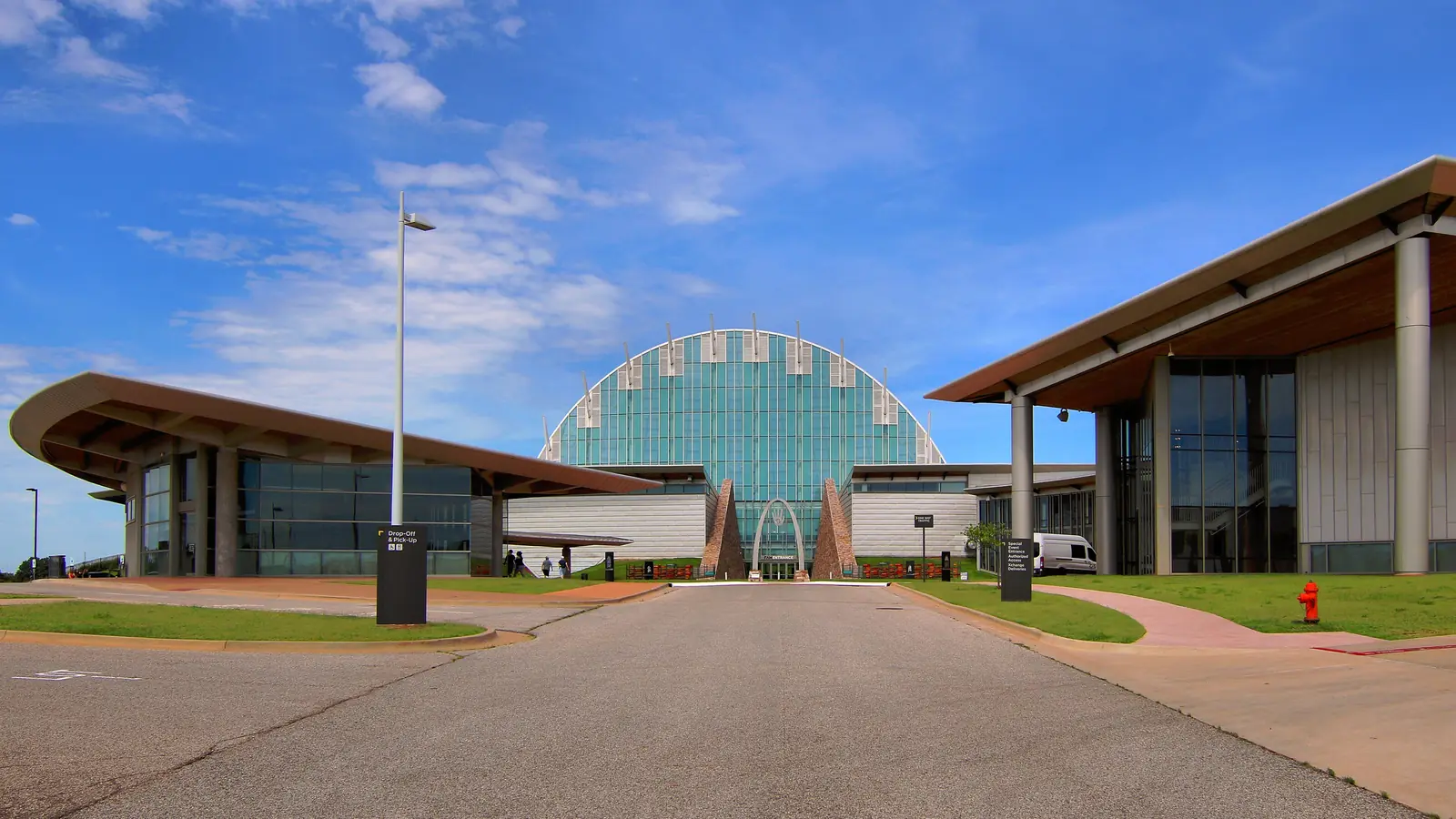

Tribes as employers, and as clients
Tribal governments and their enterprises employ people on a scale few private Oklahoma companies match. The Chickasaw Nation reports more than 15,000 employees and more than 83,000 citizens worldwide, with a treaty territory covering all or part of 13 counties in south-central Oklahoma (Chickasaw Nation, 2025 Progress Report). Employment firms get questions from tribal employees, and business firms advise companies that contract with tribal enterprises. Both need pages that say plainly when a tribe's sovereign status changes the answer, and when it doesn't.
Our check, November 4, 2026
We read 85 Oklahoma City firm pages for any mention of tribal law
To see whether local firms write for these clients, we ran twelve Google searches from an Oklahoma City location, "child custody lawyer oklahoma city", "guardianship lawyer oklahoma city", "criminal defense lawyer oklahoma city" and nine more, and took the top ten results. Of 120 results, 95 were law firm pages; we searched the visible text of 85 (ten blocked automated reading) for the words tribe and tribal, Indian Child Welfare Act, Indian Country, Native American and McGirt, and checked every hit by hand. No firm is named here.
What we found
5 of 85 pages mentioned any of those terms anywhere, and most of the mentions were thin. Three were adoption pages: one sentence noting that some adoptions take place in tribal court, one menu item for the Indian Child Welfare Act, one menu item for tribal adoption. One criminal defense site mentioned McGirt only in a list of the lawyer's news interviews. One business firm listed tribes among its clients.
Where the silence matters most
None of the 7 child custody pages and none of the 9 guardianship pages we read said anything about ICWA, even though federal law treats many guardianships as foster care placements covered by the act. None of the 7 DUI pages or the 9 car accident pages mentioned where a crash or arrest happened as a factor in which court hears it. These are the searches a tribal citizen's family runs, and the pages that answer them say nothing about the question that matters most to that family.
What a page should say instead
- A custody or guardianship page: one paragraph on when ICWA and the Oklahoma ICWA apply, and when they don't (divorce custody).
- A criminal defense page: a line asking where the arrest happened and whether the client or the alleged victim is a tribal citizen, because the answer can move the case.
- An injury page: a note that a crash at or a fall inside a tribal casino follows the compact's claim process, with its own deadline.
- An estate page: a pointer for clients with restricted or trust property, who should ask about federal rules before a will is drafted.
Why we count this as an opening
In a market where almost nobody covers the topic, the first firm that does it well has little competition for those searches, in Google or in AI answers. It also sends a signal to a reader who has been let down by generic pages before: this firm knows the law that applies to my family.
Family law
Custody, adoption and guardianship when the child may be a tribal citizen
Two statutes govern here, one federal and one Oklahoma's own, and they don't apply to every custody case. The pages that get searched are the ones that sort the reader's case into the right box in the first lines.
Which cases the Indian Child Welfare Act covers
Federal law defines a "child custody proceeding" to include foster care placement, termination of parental rights, and preadoptive and adoptive placement, and it expressly leaves out "an award, in a divorce proceeding, of custody to one of the parents" (25 U.S.C. § 1903). Foster care placement includes a placement in "the home of a guardian or conservator where the parent or Indian custodian cannot have the child returned upon demand", which brings many guardianships inside the act. The Oklahoma Indian Child Welfare Act follows the same line: it applies to all child custody proceedings involving an Indian child, voluntary or not, except those arising from a divorce or from a delinquency case without a request to terminate parental rights (10 O.S. § 40.3).
Notice: wider in Oklahoma than in federal law
The federal act requires notice of an involuntary state proceeding to the parent, the Indian custodian and the child's tribe by registered mail, and no foster placement or termination hearing may be held until at least ten days after they receive it (25 U.S.C. § 1912). Oklahoma's statute reaches further: notice goes out in all Indian child custody proceedings, voluntary court proceedings and review hearings included, to the parents or custodians, the tribe and the appropriate Bureau of Indian Affairs area office, by certified mail; the recipients may ask for twenty more days to prepare; and a tribe's right to notice "is not dependent on intervention into the case" (10 O.S. § 40.4).
Placement preferences start earlier here
Federal law prefers, absent good cause, an adoptive placement with the child's extended family, then other members of the child's tribe, then other Indian families (25 U.S.C. § 1915). Oklahoma applies those preferences "to all preadjudicatory placements, as well as preadoptive, adoptive and foster care placements", and gives a tribe twenty days to intervene when a parent asks for anonymity (10 O.S. § 40.6). A grandparent or aunt searching for how to take in a child should learn from the page that the statute may favour them.

After Haaland v. Brackeen
In 2023 the U.S. Supreme Court declined to disturb the conclusion that ICWA falls within Congress's power and rejected the challenge that it commandeers the states; the equal protection claims were dismissed for lack of standing, and Justice Kavanaugh wrote separately that "the equal protection issue remains undecided" (Haaland v. Brackeen). For a page, that means ICWA is current law to be explained, not a doubtful statute to hedge, with one open question worth a sentence.
Agreements between the state and the tribes
Oklahoma allows its human services and juvenile affairs agencies to make agreements with tribes on the care and custody of Indian children, including case-by-case transfer of jurisdiction and concurrent jurisdiction, under a section last amended in 2021 (10 O.S. § 40.7). That is why the same kind of case can move differently for children of different tribes, and why family pages should invite the reader to say which tribe is involved.
Criminal defense
After McGirt, where an arrest happened decides the court
Since 2020, the first question in many Oklahoma criminal cases is geographic. A defense firm in Oklahoma City handles clients arrested across the state, and its pages need to ask where, and who, before anything else.
The decision and the reservations that followed
In McGirt v. Oklahoma the Supreme Court held that land reserved for the Creek Nation in the 19th century remains "Indian country" for purposes of the Major Crimes Act (McGirt v. Oklahoma, 2020). The Oklahoma Court of Criminal Appeals then reached the same conclusion for the Cherokee (Hogner v. State, 2021 OK CR 4), Choctaw (Sizemore v. State, 2021 OK CR 6), Seminole (Grayson v. State, 2021 OK CR 8), Chickasaw (Bosse v. State, 2021 OK CR 30, after an earlier Bosse opinion was withdrawn) and Quapaw reservations (State v. Lawhorn, 2021 OK CR 37).
Non-Indian defendants and Castro-Huerta
Two years later the Court held that "the Federal Government and the State have concurrent jurisdiction to prosecute crimes committed by non-Indians against Indians in Indian country" (Oklahoma v. Castro-Huerta, 2022). So who is prosecuting depends on two facts about two people, the defendant and the victim, plus the place. A defense page that asks only "were you arrested?" misses the questions that decide the forum.
City courts and the traffic ticket on a reservation
In December 2024 the Court of Criminal Appeals held that the City of Tulsa may prosecute misdemeanor traffic offenses committed by non-member Indians on public roads inside the Muscogee (Creek) reservation, finding the city has concurrent jurisdiction (City of Tulsa v. O'Brien, 2024 OK CR 31). The case was about a citizen of one tribe stopped on another tribe's reservation, which is exactly the kind of detail a page should invite readers to share.
Where Oklahoma City itself sits
None of the reservations the courts have recognized covers Oklahoma City, and the Census Bureau's maps show no reservation or off-reservation trust land inside the city or Oklahoma County (Census TIGERweb). Parts of the metro do lie within Oklahoma tribal statistical areas, which the Census draws to follow former reservations of the Citizen Potawatomi Nation and Absentee Shawnee, the Kickapoo, the Iowa and the Cheyenne and Arapaho; the Bureau says those areas are statistical, not a finding that a reservation exists (Census glossary). We write that distinction carefully, because a page that tells a reader "OKC is Indian Country" would be wrong, and one that says "tribal jurisdiction never matters in OKC" would be wrong for every client arrested on a trip home to Tahlequah or Ada.
Questions a defense page should put to the reader
- Where exactly did the arrest or the alleged offense happen: which county, and which town?
- Are you a citizen of a tribe, or eligible to be? Is the person you are accused of harming?
- Who filed the charge: a district attorney, a city, a tribe or a United States Attorney?
- Is there another case about the same event in a different court?
Injury practice
Casinos, clinics and city trucks: three claim clocks before any lawsuit
Oklahoma injury firms routinely see cases where the defendant is not a private company: a tribal casino, a clinic run under a federal contract, or the City itself. Each has its own written claim, its own deadline and its own waiting period, and each one can end a case before the two-year statute of limitations ever matters.
Claim deadlines for a casino, a city and a federally covered clinic
Days counted from the event each statute names; the second lanes start when the notice is filed
-
Injury at a tribal casino: from the day it happened (3A O.S. § 281, Part 6)
- Day 0Injury
- Day 90Notice still timely, but any judgment drops 10%
- Day 365Last day to file the tort claim notice
-
Casino claim: from the day the notice is filed (3A O.S. § 281, Part 6)
- Day 0Notice filed
- Day 90Deemed denied without written approval
- Day 270Suit due 180 days after that denial
-
Claim against the City: from the loss (51 O.S. § 156)
- Day 0Loss
- Day 365Written notice to the city clerk
-
City claim: from the day notice is given (51 O.S. § 157)
- Day 0Notice given
- Day 90Deemed denied
- Day 270Suit due 180 days after denial
-
Clinic run by IHS or under a tribal contract (28 U.S.C. § 2401(b))
- Day 0Claim accrues
- Day 730SF-95 must reach the agency
Use the arrow keys to read each date.
| Rule | Day | What happens |
|---|---|---|
| Injury at a tribal casino: from the day it happened (3A O.S. § 281, Part 6) | 0 | Injury |
| Injury at a tribal casino: from the day it happened (3A O.S. § 281, Part 6) | 90 | Notice still timely, but any judgment drops 10% |
| Injury at a tribal casino: from the day it happened (3A O.S. § 281, Part 6) | 365 | Last day to file the tort claim notice |
| Casino claim: from the day the notice is filed (3A O.S. § 281, Part 6) | 0 | Notice filed |
| Casino claim: from the day the notice is filed (3A O.S. § 281, Part 6) | 90 | Deemed denied without written approval |
| Casino claim: from the day the notice is filed (3A O.S. § 281, Part 6) | 270 | Suit due 180 days after that denial |
| Claim against the City: from the loss (51 O.S. § 156) | 0 | Loss |
| Claim against the City: from the loss (51 O.S. § 156) | 365 | Written notice to the city clerk |
| City claim: from the day notice is given (51 O.S. § 157) | 0 | Notice given |
| City claim: from the day notice is given (51 O.S. § 157) | 90 | Deemed denied |
| City claim: from the day notice is given (51 O.S. § 157) | 270 | Suit due 180 days after denial |
| Clinic run by IHS or under a tribal contract (28 U.S.C. § 2401(b)) | 0 | Claim accrues |
| Clinic run by IHS or under a tribal contract (28 U.S.C. § 2401(b)) | 730 | SF-95 must reach the agency |
Sources: 3A O.S. § 281 (model tribal gaming compact, Part 6); 51 O.S. §§ 156-157; 28 U.S.C. §§ 2401(b) and 2675(a); read on OSCN and govinfo, November 4, 2026. Individual tribes' compacts can differ from the model; exceptions in each statute are not shown.
A fall or an assault at a tribal casino
Oklahoma's model tribal gaming compact, approved by voters in 2004, sets the process for a patron's injury claim against a casino. The patron must file a written tort claim notice with the enterprise or its Tribal Compliance Agency within one year of the event, and a notice filed after 90 days but within the year still counts, though any judgment is cut by 10%. If the casino hasn't approved it in writing within 90 days, the claim stands denied, and the patron then has 180 days, which nobody may extend, to file suit. The casino's insurance must carry at least $250,000 per person and $2,000,000 per occurrence for injuries, and no award may exceed that limit (3A O.S. § 281, Part 6).
Not in state court
The compact allows suit in "a court of competent jurisdiction". In Sheffer v. Buffalo Run Casino the Oklahoma Supreme Court held that state courts are not courts of competent jurisdiction for compact-based tort claims, and overruled three earlier decisions that said otherwise (Sheffer, 2013 OK 77). Each tribe's signed compact controls its own casinos and can differ from the model, which is one more reason the page should send readers to a lawyer early rather than to a form.
Crashes with city vehicles and other city claims
A claim against Oklahoma City falls under the Governmental Tort Claims Act. It is barred unless written notice reaches the office of the clerk of the governing body within one year of the loss (51 O.S. § 156). The City's silence for 90 days, or anything short of full approval, counts as a denial, and the lawsuit has to be on file within 180 days of it (51 O.S. § 157). A city-vehicle crash page that only mentions the two-year limitation period sends readers past the deadline that actually decides their case.
Clinics run by the Indian Health Service or under tribal contracts
Federal law deems a tribe or tribal organization carrying out a self-determination contract to be part of the Public Health Service for malpractice purposes, with its employees treated as federal employees (25 U.S.C. § 5321(d)). A claim then runs through the Federal Tort Claims Act: it must be presented in writing to the federal agency within two years, usually on Standard Form 95, and the agency's silence for six months can be treated as a denial (28 U.S.C. § 2401(b); § 2675(a); SF-95). The Indian Health Service's Oklahoma City Area notes that many tribes here run their own health programs, from hospitals to small clinics (IHS Oklahoma City Area). Whether a particular clinic is covered depends on how it is run, and a page should say that the first step is to find out.
Practice before the tribes
Tribal courts, tribal employers and who may appear where
Many Oklahoma lawyers are admitted to one or more tribal court bars, and very few firm websites say so. For a client deciding whom to call, that line on a bio can be the deciding fact.
Admission is a separate step
- Citizen Potawatomi Nation (Shawnee): an application, a notarized advocate's oath, a copy of the Oklahoma bar card, a letter of good standing from the OBA and a $50 fee; the court admits applicants once the papers are complete (CPN Tribal Court).
- Chickasaw Nation (Ada): open to attorneys admitted and in good standing before another court's bar, on an annual $50 membership fee and an oath before the clerk (Chickasaw Nation Judicial).
- Cherokee Nation (Tahlequah): an application with an original certificate of good standing from a state bar, reviewed by the Justices; copies aren't accepted (Cherokee Nation courts).
A bio that lists these admissions, with the year, answers a question a tribal client may not think to ask until it is too late. It is also exactly the kind of specific, checkable fact that AI answers draw on when someone asks which lawyers practice in a given tribal court.
The bar section and the legal aid office
The Oklahoma Bar Association has an Indian Law Section among its sections (OBA Sections), and Oklahoma Indian Legal Services, serving tribal members since 1981 with offices in Oklahoma City, Tulsa and Ada, provides legal help with priority for elders, disaster victims and low-income clients (OILS). A firm that doesn't take a matter can send a reader there; a page that does so politely keeps the firm's reputation in a community where word travels.
Employment and business pages for a tribal economy
When the employer is a tribe or a tribal enterprise, the usual employee-side page can mislead, because sovereign immunity and tribal employment codes may replace state remedies. We haven't found an official Oklahoma source settling how state workers' compensation and unemployment programs apply to every tribal employer, so we wouldn't publish a blanket answer; the page should say that the employer's status changes the route and invite the reader to name the employer. On the business side, contracts with tribal enterprises raise their own questions of consent to suit and forum, and pages for companies doing that work should be written by the lawyer who negotiates those clauses.
Oil and gas
Mineral owners and the 20-day pooling election
Some of the most motivated searchers in Oklahoma are people who just received a pooling order on minerals they may have inherited without knowing it. Energy practices in Oklahoma City win or lose those clients in the first days after the order is mailed.
What the order starts
The Corporation Commission's guide to the pooling process says the order must give respondents a twenty-day election period from the date of the order, with the postmark as proof of timely mailing; an owner who misses it is deemed to have chosen the option "with the smallest royalty and largest bonus"; and an owner may still sign a lease during the election period (OCC, The Pooling Process in Oklahoma). Notice of the hearing must come at least fifteen days before it. The guide dates from 2017, so a page should link the current Commission rules beside it and say when it was last checked.

Pages a mineral-rights practice can build
- "I got a pooling order: what are my 20 days for?", with the election options explained in plain terms.
- "Inherited minerals and no probate": how heirs establish title, and when a small estate is not enough.
- "Where is the Corporation Commission now?": the temporary address and how hearings work.
- A page for owners of minerals held in trust or restricted status, telling them to ask about federal approval before they sign anything.
Oklahoma Rules of Professional Conduct
Oklahoma kept its 1980s rule numbering, and the 2017 comments
Oklahoma did not fold its advertising rules together the way the ABA's 2018 model did. Title 5, chapter 1, appendix 3-A still has Rule 7.1 (communications), 7.2 (advertising), 7.3 (solicitation), 7.4 (fields of practice and certification) and 7.5 (firm names), and no Rule 7.6 (OSCN, Title 5). Rules 7.1 to 7.3 were last amended on June 19, 2017, in an order that touched Rules 1.18, 3.8 and 5.3 as well (2017 OK 52). The order left the black-letter text of 7.1 and 7.2 essentially as it was and did most of its work in the comments.
Rule 7.1, and the comment that governs results pages
The core prohibition, on statements about a lawyer that are untrue or leave a misleading impression through what they omit, is the familiar one (ORPC 7.1). Comment [2] reaches accurate statements too, when a reader would draw from them a conclusion with "no reasonable factual foundation". Comment [3] turns to verdict lists and claims of being better than other firms, and says a fitting disclaimer or qualifying words "may preclude" a finding that they mislead.
An address in every ad
Oklahoma still writes the street address into the rule: an ad must carry "the name and office address of at least one lawyer or law firm responsible for its content" (ORPC 7.2(c)). The ABA's model was loosened in 2018 to "contact information"; Oklahoma kept the address. Paying for a recommendation is barred "directly or indirectly" under 7.2(b); the carve-outs cover the reasonable cost of advertising, the usual charges of a legal service plan or a not-for-profit or qualified referral service, buying a practice, and non-exclusive reciprocal referral agreements the client is told about. Comment [5] counts directory listings online, domain registrations and Internet ads as advertising a lawyer may pay for, and lets the firm pay its marketing vendors, from publicists to the people who design its website.
Rule 7.3: no waiting period, but a label
Live outreach is what 7.3(a) and (b) restrict: a visit, a live call or a real-time online chat seeking paid work, allowed only toward lawyers, relatives, close friends and former clients, and never after a refusal or with pressure. Targeted messages are allowed in writing, but a letter, email, text or recording sent to a person the firm knows has a particular legal problem carries the words "Advertising Material" on the envelope, or at the start and finish of the message (ORPC 7.3(c)). The rule sets no waiting period after an accident, and we found no Oklahoma statute that adds one.
Rule 7.4: Oklahoma has no specialist certification
A lawyer may say they practice in, limit their practice to or concentrate in particular fields. Claiming certification as a specialist is allowed only for patent and admiralty practice, for certification by the Oklahoma Supreme Court under its rules, or for certification by the official licensing authority of another state where the lawyer is licensed, with a statement that Oklahoma doesn't recognize it (ORPC 7.4). The rule's own Oklahoma note says the state-certification route is moot because the Court "has no rules or procedures for specialty certification", and that private certifying boards don't qualify. The comment allows the word "specialist" subject to Rule 7.1, while the OBA's internet advisory says not to use it; we follow the stricter reading.
Brand names with a place in them
Invented firm names are permitted, provided nobody would mistake the firm for a public agency or a charity and the name misleads in no other way. Its first comment permits a firm to go by "a distinctive website address" and warns that a brand built on a place name may need a line saying the firm is not public legal aid (ORPC 7.5). A brand such as "OKC Injury Center" is precisely the kind of name that comment has in mind.
Beyond the rules
Collision reports, runners and the OBA's own guidance
Oklahoma regulates parts of legal marketing outside the conduct rules, and one of those statutes changed on November 1, 2026. The ethics guidance around the rules is old, and we treat it with care.
Collision reports and commercial solicitation
Under 47 O.S. § 40-102, collision reports are confidential for sixty days, with access for the parties, their legal representatives, insurers and certain others, and it is a misdemeanor for anyone to obtain or use information from a report "for the purpose of making a commercial solicitation"; copies carry the warning "Use of contents for commercial solicitation is unlawful" (47 O.S. § 40-102). House Bill 4143, effective November 1, 2026, rewrote parts of the section, including raising the reporting threshold to $3,000 for crashes on public roads and redefining the commercial solicitation it prohibits by reference to "personal information" in a report. How far that change reaches is a question for a lawyer, not for an agency, and no marketing we run uses collision reports.
Runners in workers' compensation cases
Under 21 O.S. § 591, no attorney may use an agent, runner, capper or steerer to solicit a client for a workers' compensation claim, a contract obtained that way is void, and each offense is a misdemeanor with a fine of up to $2,500 (21 O.S. § 591). Paid lead programs for comp practices need to be set up with that statute, not only Rule 7.2, in mind.
The OBA's internet advisory
The OBA ethics counsel's advisory on internet advertising, non-binding and general, says there are "No special rules" for the web: websites are general advertising, not targeted communications; a site "must include the name and business address of the lawyer or firm responsible for the content"; the domain "need not contain the name of the lawyer/firm"; and results require the client's written informed consent, accuracy and a disclaimer that results depend on each case's facts and law (OBA, Internet Advertising).
Opinion 320 on verdicts and settlements
Ethics Opinion 320 (2004) allows listing verdict amounts if confidentiality is respected, the figures are accurate and a disclaimer says the list doesn't suggest the probability of success and each case stands on its merits, presented "in the same manner and with the same emphasis" as the figures. For settlements it adds that they result from private negotiations that may turn on factors other than the legal merits, and it asks comparative claims, such as "largest verdict", to carry the date they were true (Opinion 320). The OBA itself warns that opinions predating major rule changes may be outdated (Opinion 310), and the formal series seems to stop at Opinion 330 in 2013, so nothing formal covers social media, reviews, pay-per-click or AI. The ethics counsel takes questions at (405) 416-7055 and allows 30 days for a written informal opinion (OBA Ethics Counsel).
The rest of the state
Tulsa, Norman and Edmond: a state bar of 19,064
Many of the searches that reach this page are statewide, so it is written for firms anywhere in Oklahoma. The Oklahoma Bar Association reported 19,064 members at the end of 2025 (Professional Responsibility Commission, 2025), and its 2026 delegate count shows how unevenly they are spread across the state's counties.
Tulsa, the other half of the market
Tulsa County counts 3,763 resident members against Oklahoma County's 5,720, and its population has a higher American Indian share, 11.9%. Tulsa firms also practice inside the Muscogee (Creek) and Cherokee reservations as the courts have defined them, so their criminal and traffic pages carry the McGirt questions as a matter of course. An Oklahoma City firm that takes clients from northeastern Oklahoma needs the same pages.
The Cleveland County market
A query like "law firm seo company norman ok" lands on this URL as well. Cleveland County has 1,151 resident members and a larger share of American Indian residents than Oklahoma County, and Norman's university population adds its own mix of landlord, criminal and family matters. A Norman office page should be written for Cleveland County's own court and clients rather than as a copy of the Oklahoma City page.
Edmond, Moore and the suburbs
Smaller suburban markets are where a well-built firm page can lead the results with less effort. The test is the same as for Norman: a page for a suburb is worth building only if the firm has an office or a real body of work there, and it has to say something about that place that a downtown page doesn't.
Paid media, sites and video
Google Ads, websites and video under Oklahoma's address rule
The Search Console data for this page includes "google ads for attorneys oklahoma city", "oklahoma lawyer google lsa company", "oklahoma attorney google lsa consultants", "oklahoma lawyer google ads consultants", "oklahoma law firm ppc services", "website design for lawyer oklahoma city" and "oklahoma law firm video marketing agency". Each channel meets Oklahoma's rules a little differently.
Paid search and Local Services Ads
A text ad has no room for an office address, but the landing page and the Business Profile do, and Rule 7.2(c) is easiest to satisfy there. We send each ad to a page that names the responsible lawyer and the office, and we keep Local Services and map listings tied to staffed offices only. Ads are judged by cost per signed case, not by clicks.
Websites
On a new or rebuilt site, the responsible lawyer's name and office address sit in the footer of every advertising page, results pages carry Opinion 320's disclaimer at the same size as the figures, and bios list every court the lawyer is admitted to, tribal courts included. A contact form explains that sending it doesn't create a relationship, the practical point behind Rule 1.18.
Video
Oklahoma has no rule that video ads be filed or pre-cleared, and no Oklahoma-specific actor disclosure. Rule 7.1 still governs every claim in a script, and a targeted video message to someone known to need help in a matter has to say "Advertising Material" at its beginning and end. Spots that show results need the same disclaimer as the website, spoken or shown with equal emphasis.
How an engagement with us runs
GLP is based in West Hollywood, California; Oklahoma clients meet us on video calls and follow the work in a live reporting dashboard. Pricing is a monthly retainer set after we study the market, with the scope agreed on paper first and no multi-year commitment; and because nobody controls Google's rankings or what an AI tool chooses to cite, our proposals don't promise either.
Oklahoma questions, including the ones that reach us by mistake
In short
Census race data, Oklahoma statutes and court rules, U.S. Supreme Court and Court of Criminal Appeals opinions, tribal court rules, Oklahoma Bar Association figures and our own reading of 85 Oklahoma City firm pages on November 4, 2026: the material behind an Oklahoma City plan.
We found GLP while searching for an Ozempic or GLP-1 lawyer. Is this that firm?
No. GLP Marketing is a marketing agency for law firms, and the letters are our name, not a reference to the drug class. Searches such as "oklahoma city ozempic lawyer", "wegovy lawyer", "mounjaro lawyer" or "glp-1 ra lawyer" sometimes reach this page by mistake. If you are a person looking for a lawyer about a GLP-1 medication, the Oklahoma Bar Association's Find a Lawyer directory lists licensed Oklahoma attorneys by practice area.
I need a lawyer in Oklahoma City myself (a startup, a wrongful termination, a consultation). Can you help?
GLP Marketing builds websites and search campaigns for law firms; nobody here is your lawyer. The Oklahoma Bar Association says it does not refer attorneys to the public; it offers a searchable Find a Lawyer directory instead and points callers to the Tulsa County Bar Association's Lawyer Referral Program. Tribal members with limited income can contact Oklahoma Indian Legal Services at 4200 Perimeter Center Dr., Suite 222.
Our office is in Norman. Is this page for us?
Yes. This is GLP's Oklahoma page, and the rules, statutes and bar figures on it apply anywhere in the state. Norman has the larger American Indian share of the two, 9.3% of residents alone or in combination, against 6.4% in Edmond, and Cleveland County counts 1,151 resident bar members. The office page for a Norman practice belongs to Cleveland County's court, not the courthouse on Robert S. Kerr Avenue.
Can an Oklahoma firm pay for lawyer lead generation?
Yes, within limits written into Comment [5] to Rule 7.2 in 2017. A lawyer may pay for Internet-based leads if the lead generator doesn't recommend the lawyer, the payment fits Rules 1.5(e) and 5.4, and the generator's own messages meet Rule 7.1. So a service whose pitch to consumers suggests it vouches for the lawyer, refers for free or has studied the caller's case is one an Oklahoma lawyer can't pay (ORPC 7.2).
Our paid search brings calls but few cases. Will you take it over?
Yes. The Oklahoma detail that shapes the ads is Rule 7.2(c): every communication made under the rule must carry the name and office address of a responsible lawyer or firm. A short text ad can't hold an address, so we make sure the page it leads to does, and the Business Profile behind a Local Services listing shows the real office. How we judge an account by cost per signed case is on the PPC page.
Does our website need "Advertising Material" on it?
No. The OBA's ethics counsel treats a website as general advertising under Rules 7.1 and 7.2, not a targeted communication, and Comment [1] to Rule 7.3 says content automatically generated in response to Internet searches is not solicitation. The label belongs on targeted messages to someone known to need help in a particular matter: at the start and end of an email or recording, and on an envelope, unless the person asked for the information.
We do family law. Does an Oklahoma divorce page need anything special?
The waiting period, stated plainly: in a divorce involving minor children, 43 O.S. § 107.1 bars a final order for at least 90 days after the petition is filed, though the court may waive it for good cause if neither side objects, and some grounds such as a year's abandonment or extreme cruelty are exempt (43 O.S. § 107.1). Parents search for how quickly it can end, so that number belongs near the top.
Which injury rules should an Oklahoma personal injury page state?
Two, correctly. Most injury suits fall under the two-year period in 12 O.S. § 95(A)(3) for "injury to the rights of another", and assault and battery under the one-year period in § 95(A)(4). Under 23 O.S. § 13 an injured person's own negligence doesn't bar recovery unless it is "of greater degree" than the defendant's, and § 14 reduces the award in proportion. An injury caller's first two questions are usually about those exact points.
Our removal clients have no court in this state. Where do their cases go?
No. EOIR's directory of immigration courts skips Oklahoma entirely, and the closest it lists are in Dallas, Kansas City and Omaha (EOIR). An Oklahoma City immigration firm's pages should say which court its removal clients actually appear before, and keep that separate from the USCIS office where interviews take place.
Can a client with an old Oklahoma City warrant still get a reduced penalty?
Possibly. The Municipal Court has extended its penalty reduction program through December 31, 2027 for class "a" traffic and criminal offenses from 2022 or earlier that are in warrant status, provided the reduced amount is paid in full; the court says people using it won't be arrested (OKC Municipal Court). A defense firm's municipal court page that explains the program, and when a lawyer still helps, answers a search the court's own page doesn't.
Do we need probate for small Oklahoma estates? Our clients keep asking.
Not always. Under 58 O.S. § 393, ten or more days after a death, a successor can collect property by affidavit if the decedent's Oklahoma property, less liens, is worth no more than $50,000; a false affidavit can bring a fine of up to $3,000 or up to six months in jail. An estate page that states the limit and the waiting period answers the question before the client calls.
Our website predates the 2017 comments. Should we rebuild it?
Yes, when the current site is the obstacle. An Oklahoma build adds two checks: the office address of a responsible lawyer appears on the pages that advertise, as Rule 7.2(c) requires, and any page that lists verdicts or settlements carries the disclaimer in the same type and emphasis, as Opinion 320 asks. The design process is described separately.
Half our clients are across the Red River. Whose ad rules govern?
The pages aimed at Oklahoma clients follow Oklahoma's rules; pages aimed at Texas clients must also satisfy Texas, which reviews lawyer ads before or after they run. Our Houston page walks through the Texas side. Rule 7.5(b) asks a two-state firm to mark, office by office, which lawyers aren't licensed there.
How do we start?
With the free audit. Tell us the site and the practices that matter; inside 48 hours one of our people sends a recorded review of your Oklahoma City visibility in Google and ChatGPT, with a note on whether your pages could answer a tribal citizen's question. No call or contract is needed; ask for it through this form.
Would your pages answer a tribal citizen's question?
Send us your site. A person on our team records your firm's standing in Google, ChatGPT and the Oklahoma City map, and marks where a tribal-law question goes unanswered.
Or call Call (661) 388-5526