
For Oakland practices that defend, sue or advise after a police stop
Lawyer SEO in Oakland, CA
Oakland lawyer SEO, read from the State's stop records.
Oakland police stopped 17,002 people in 2024, and nearly half of them were Black in a city where one resident in five is. GLP writes the pages those people, and the relatives who search for them, find next.
This page is about Oakland only: the people its police stop, what the State's records say happens next, and the pages a defense, civil-rights or mental-health practice needs because of it. Anything that would read the same for a Fresno or Boston firm stays off this page; look for it under law firm SEO.
Free, done by a real person, and in your inbox within 48 hours.
Oakland at a glance
An Oakland police stop, counted from the State's own records
Since 2019 every California police agency of Oakland's size has reported each stop it makes to the Department of Justice, under the Racial and Identity Profiling Act (Government Code § 12525.5). The files are public. We downloaded the Alameda County files for 2019 through 2024 and counted Oakland's rows ourselves. The docket below lists what we found. Each entry names who recorded it, and the last column says what a law firm's site should do with it.
| Entry | Recorded by | What it records | Oakland | For the firm's site |
|---|---|---|---|---|
| No. 01 | DOJ stop data, 2024 | People stopped by Oakland police | 17,00224,395 in 2019 | A steady pool of new clients every week, most of them first-time searchers. |
| No. 02 | DOJ stop data; ACS DP05 | Share perceived as Black, against Black residents | 46.7%19.7% of residents | Defense and civil-rights pages that speak to the people most often stopped. |
| No. 03 | DOJ stop data, 2024 | People searched; searches that found contraband | 45.5%30.7% of searches found something | A page on searches, consent and motions to suppress. |
| No. 04 | DOJ stop data, 2024 | Stops ending in a custodial arrest | 25.2%4,290 people | Pages for the family member searching that night. |
| No. 05 | DOJ stop data, 2024 | Stops ending in a psychiatric hold | 10.0%1,697 people | Mental-health law pages most Oakland firms don't have. |
| No. 06 | DOJ stop data, 2024 | Rows filed by BART officers and sheriff's deputies for Oakland stops | 10,9847,526 BART, 3,458 Sheriff | Pages named for the agency, because complaints and records go to different offices. |
| No. 07 | U.S. District Court, reported by Courthouse News | End of federal oversight of Oakland police | Sept. 30, 2026after 23 years | Civil-rights pages rewritten for a city-run oversight system. |
| No. 08 | BLS QCEW, 2025 | Private law offices in Alameda County | 7384,001 jobs | The competitors a local page is measured against. |
Stop figures count people stopped, by the officer's perception of race, as reported to the Department of Justice and counted by GLP on November 5, 2026. Resident figure: non-Hispanic Black alone, ACS 2020-2024. CHP stops are filed separately by the State and aren't in entry 06.
The service
Oakland law firm SEO, logged like evidence changing hands
A defense lawyer knows the value of a clean chain of custody: who had the item, what was done to it, what came back. That is also the easiest way to describe an SEO engagement with an Oakland firm, because most of the work starts with something you hand us and ends with something you can check. The log below covers the SEO and AI search engagement. Nothing in it is a promise about rankings; Google decides those, and we report what it decided.
| Item | Handed to us | Our work on it | Back to you |
|---|---|---|---|
| Search data | Search Console and analytics access | Sort the Oakland and Alameda County searches landing on your pages from those landing on a rival's | A written plan marking each page to repair, create or keep as it is |
| Practice list | The cases you want more of, and the ones you turn away | Plan the practice and city pages, starting with the matters you named | New and rewritten pages, each reviewed by your attorneys before it goes live |
| Map listing | Your Google Business Profile | Local SEO for Oakland: categories, services, reviews and the citations that repeat your address | A listing that matches the site and the directories |
| The site | Hosting and CMS access | Fix crawl errors, load time and markup, and check every third-party script against California privacy law | A crawl report before and after, and a list of every tag left running |
| AI answers | The questions clients say they asked a chatbot | Put your clients' questions to ChatGPT, Gemini and the rest, and fix the passages they misquote | A monthly record of where the firm is named and where it isn't |
| Intake | Call logs and form records, where you keep them | Tie searches and pages to calls and signed cases | Monthly reporting, with a strategy call each month |
Oakland queries in this page's own Search Console report
The queries landing on this page tend to be short, with the city named first: "oakland seo", "seo oakland", "seo oakland ca", "oakland seo services", "seo services oakland", "seo service oakland", "oakland seo company", "seo company in oakland", "oakland seo agency", "seo agency oakland", "seo marketing oakland" and "seo near me oakland". A second group asks about the map: "local seo services oakland", "local seo oakland", "local seo agency oakland" and "local business seo oakland". Fewer say who the work is for, and those are the ones this page is written to answer: "law firm seo company oakland ca", "oakland law firm seo service", "oakland law firm marketing", "legal marketing agency oakland ca" and "website design for lawyer oakland".
Consultant, specialist or expert: one person, or a team
Some searchers want a single person: "seo consultant oakland", "seo specialist oakland", "seo expert oakland", and, from across the bay, "lawyer seo consultant san francisco". GLP is a company with a team behind each account, not a lone consultant, and we don't call anyone on it an expert in a firm's area of law. What a firm gets is the log in the table above, worked by people whose names are on our team page. A firm that wants advice only, with its own staff doing the writing, should say so on the first call; the scope is written to fit.
AI search and conversion work, searched by name
"ai seo oakland", "oakland ai seo" and "ai seo service oakland" point to the AI section further down; "oakland conversion rate optimization services" and "oakland conversion rate optimization agency" point to the website section, where California's wiretap law sets limits on the tools that usually do that work. "search engine optimization oakland" is the long form of all of the above. Searches for a lemon law or cryptocurrency lawyer in Oakland are answered in the FAQ, usually by sending the reader elsewhere.
Under the larger Consulting CMO arrangement, paid media and the intake desk come into the same monthly report. Compare the two engagements under get started.
Next step
Send us one practice, and someone on our team records what a person stopped in Oakland finds when they search for it, your listing and your competitors' included.
Get My Free AuditWho is stopped
The people Oakland police stop, set beside the people who live here
In 2024 Oakland police reported stopping 17,002 people. Officers recorded 7,942 of them as Black, which is 46.7%. The Census Bureau's 2020-2024 estimates put Black, non-Hispanic residents at 19.7% of the city (ACS DP05). White residents run the other way: 27.8% of the city, 10.2% of the people stopped.
What the two columns don't measure the same way
The Census figure is how residents describe themselves. The stop figure is what the officer believed, which is how the law asks for it to be recorded (the 2024 data guide says so in its second note). Not everyone stopped in Oakland lives in Oakland, either. A careful page says both things and still reports the gap, because neither caveat comes close to closing a 27-point difference.
Who the firm is writing for
For a defense or civil-rights practice, the reader is often a young Black man stopped in his own neighborhood, or his mother looking for help after midnight. That reader has heard the statistics. What he hasn't seen is a firm page that knows which agency stopped him, what the officer had to tell him, what the stop record says and what California law lets him do with it. That gap is where an Oakland practice can stand out in search.
Pages the figures call for
- A practice page on stops and searches written in the second person, with no assumption that the reader was guilty of anything.
- A plain explanation of the State's stop record and how a client can ask for the parts that concern him.
- A family page: what to do when someone you know was taken into custody.
- A civil-rights page that starts from the stop, not from a generic list of constitutional rights.
Six years of reports
Stop reports across six years: fewer people stopped, the same gap
Oakland police reported 24,395 people stopped in 2019, the first year the department filed under the State's program, and 13,782 in 2021. The count rose again to 17,002 in 2024. The share recorded as Black stayed above 52% through 2021, then fell to 45.3% in 2023 and stood at 46.7% in 2024.
| Year | People stopped | Share recorded as Black |
|---|---|---|
| 2019 | 24,395 | 52.7% |
| 2020 | 21,076 | 52.8% |
| 2021 | 13,782 | 52.6% |
| 2022 | 14,398 | 49.4% |
| 2023 | 16,304 | 45.3% |
| 2024 | 17,002 | 46.7% |
Source: California Department of Justice, RIPA stop data 2019-2024, Alameda County files, counted by GLP on November 5, 2026. The counts are people, not stop events, and include everyone in a stopped car whom the officer recorded.
Fewer discretionary stops, as the federal judge noted
When Judge William Orrick closed the federal case against the department in October 2026, he pointed to the drop in non-dispatch stops, the ones officers start on their own rather than in answer to a call. Black residents made up 62% of those stops in 2016 and an average of 45% from 2022 to 2025, according to Courthouse News's report of the order. The trend is real; so is the remaining gap.
Why a firm should date every figure it prints
A page that says "half of the people Oakland police stop are Black" was right in 2021 and wrong in 2024. The State publishes a new year of data each winter, so a figure on a firm's site needs a year next to it and a reminder in the firm's calendar to check it. It's a small habit, and it keeps an opposing lawyer from catching the firm out of date.
A year in the State's files, several rows per stop
A car with three people in it can produce three rows, one per person the officer recorded. That is why the 2024 total of people stopped (17,002) is the right count to quote, and why a firm should say "people stopped" rather than "stops" when it uses the number.
The reason for the stop
Since 2024, the officer has to say why
A California law that took effect on January 1, 2024 requires an officer making a traffic or pedestrian stop to state the reason for it before asking questions about a crime or a traffic violation, and to write the reason on any citation or report that follows (Vehicle Code § 2806.5). The only exception is when withholding the reason is needed to protect life or property from an imminent threat. The same year, the State's stop form began recording whether a reason was given.
What Oakland officers recorded as the reason
Of the 17,002 people Oakland police stopped in 2024, 47.0% were stopped for a traffic violation and 35.8% on reasonable suspicion of a crime. Probable cause accounted for 9.6%, a known warrant for 3.8%, and 3.1% were stops to take someone into custody for a mental health evaluation. Among the traffic stops, 1,039 were recorded as equipment violations and 228 as non-moving violations. The department reported no stop in which the reason was withheld.
A page for the stop that started with a taillight
Equipment stops are the ones clients ask about most, because a broken light or expired tag rarely feels like the real reason. A traffic-defense page that quotes section 2806.5, explains what the officer should have said and where it should appear on the paperwork, and tells the reader to keep the citation, gives a lawyer something to check in the first consultation.
When the stated reason and the report don't match
The statute puts the reason on paper twice: spoken at the curb, written on the citation or report. If the two differ, or the report is silent, that is a fact a defense lawyer will want to raise. A page can't say the mismatch will win the case. They can tell readers to write down what they were told while they still remember it, and to bring that note to the first meeting.
Pedestrians and cyclists too
The rule covers pedestrian stops as well as cars. In Oakland, 43.2% of the people police stopped in 2024 weren't stopped in a vehicle, so a reason-for-stop page that talks only about drivers misses a large share of its readers.
What follows a stop
Searched, handcuffed or arrested: the stop's second minute
Oakland police searched 7,736 of the people they stopped in 2024, handcuffed 7,041 and took 4,290 into custody. The State's form records each of those as a separate action, and each happened more often to people officers recorded as Black.
What happened after Oakland police stopped someone, 2024
Share of people stopped in each group who were searched, handcuffed or taken into custody
- Black7,942 people 51.8% 47.8% 29.1%
- Latino5,326 people 44.4% 39.6% 25%
- White1,740 people 40.9% 38% 21.5%
- Asian980 people 25.6% 22.6% 13.3%
Use the arrow keys to read each value.
| Group | Searched (%) | Handcuffed (%) | Custodial arrest (%) |
|---|---|---|---|
| Black / 7,942 people | 51.8 | 47.8 | 29.1 |
| Latino / 5,326 people | 44.4 | 39.6 | 25 |
| White / 1,740 people | 40.9 | 38 | 21.5 |
| Asian / 980 people | 25.6 | 22.6 | 13.3 |
Source: California Department of Justice, RIPA stop data 2024 (Alameda County file), Oakland Police Department records, counted by GLP.
Most searches found nothing
Officers reported finding contraband or evidence in 2,374 of the 7,736 searches, 30.7%. For people recorded as Black the rate was 32.0%, for people recorded as white 24.2%. Seven searches in ten ended with nothing found. A defense page on searches that says so, with the source, tells a reader that being searched is not the same as being caught.
Consent is the basis officers recorded most often
Officers can tick more than one basis for a search. Consent was recorded for 3,814 people searched, about half. That makes consent the question an Oakland search page should answer first: what the officer asked, whether the person said yes, and how consent reached after a long stop is weighed in a motion to suppress.
Pages that follow the search
- A motion-to-suppress page that explains, in plain words, how evidence from an unlawful search can be excluded under Penal Code § 1538.5.
- A page on handcuffing during a stop, which the form records as force even when nobody is arrested.
- A family page for the custodial arrest, which leads straight to the section on the night after an arrest below.

Mental health holds
A tenth of all stops ended in a 72-hour hold
The result Oakland's stop records show more often than most cities' is a psychiatric hold. In 2024, 1,697 people Oakland police stopped, 10.0%, were taken into custody for a mental health evaluation. Fremont police, by comparison, recorded 3.3%. For the families of those people, and for the lawyers who handle commitments and conservatorships, the clocks below set the pace.
How long a psychiatric hold can last, and when the hearings fall
Days counted from the moment of detention
-
Detained and certified (Welf. & Inst. Code §§ 5150, 5250, 5256(a))
- Day 0Detention starts the 72 hours
- Day 3Hold ends unless the person is certified
- Day 7Last day for the certification hearing
- Day 1714-day certification runs out
-
Held without certification (§ 5256(b))
- Day 0Detention
- Day 7Uncertified hold: hearing by now
Use the arrow keys to read each date.
| Rule | Day | What happens |
|---|---|---|
| Detained and certified (Welf. & Inst. Code §§ 5150, 5250, 5256(a)) | 0 | Detention starts the 72 hours |
| Detained and certified (Welf. & Inst. Code §§ 5150, 5250, 5256(a)) | 3 | Hold ends unless the person is certified |
| Detained and certified (Welf. & Inst. Code §§ 5150, 5250, 5256(a)) | 7 | Last day for the certification hearing |
| Detained and certified (Welf. & Inst. Code §§ 5150, 5250, 5256(a)) | 17 | 14-day certification runs out |
| Held without certification (§ 5256(b)) | 0 | Detention |
| Held without certification (§ 5256(b)) | 7 | Uncertified hold: hearing by now |
Sources: Welfare and Institutions Code §§ 5150, 5250 and 5256 (current text). Day 7 on the first lane assumes certification on day 3.
Who may detain, and for how long
Under Welfare and Institutions Code § 5150, a peace officer or a designated clinician can take a person into custody for up to 72 hours when, because of a mental health disorder, the person is a danger to others or to themselves, or gravely disabled. The 72 hours start at the moment of detention, not at arrival at the hospital, which is the first thing a family wants to know.
A further fourteen days, and a hearing
If staff find the person still meets the test, they can certify up to 14 days of intensive treatment (§ 5250). A certification review hearing must then be held within four days unless the person or their advocate asks to postpone it (§ 5256). A page that explains that hearing, who attends and what the person may say, is something few Oakland firms publish.
A wider meaning of "gravely disabled"
Senate Bill 43 widened the definition to include a person who, because of a mental health disorder or a severe substance use disorder, can't provide for their personal safety or necessary medical care, not only food, clothing and shelter (§ 5008(h)). Counties could delay it until January 1, 2026; that date has passed, so it now applies in Alameda County as everywhere else.
Pages a family will look for
- How to find where someone was taken after a hold.
- What happens at the hearing that decides whether a 14-day hold stands, and how to prepare.
- What changes when a hold turns into a conservatorship petition.
- When a crisis call can go to Oakland's MACRO program, which the Fire Department runs for non-violent, non-emergency calls, instead of to the police.
The night after an arrest
Jail in Dublin, a bail hearing and a car in the tow yard
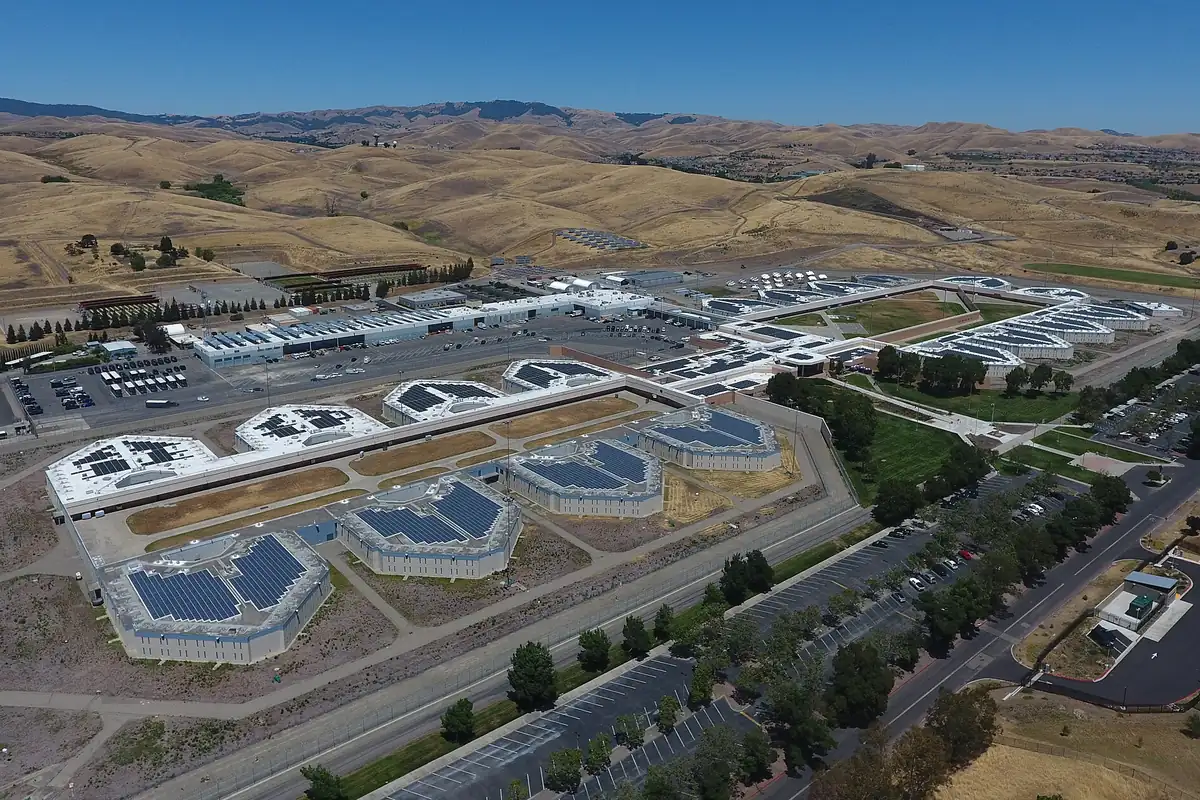
The 4,290 people Oakland police took into custody in 2024 mostly went where Alameda County keeps people before trial: Santa Rita Jail, which the Sheriff's Office runs in Dublin, on the far side of the East Bay hills. The people who search that night are the relatives, and they search for different things than the person arrested will a week later.

Released with a citation instead
For most misdemeanors, California law says a person who doesn't demand to see a magistrate is to be released with a written notice to appear rather than held (Penal Code § 853.6), with exceptions for certain domestic violence and protective-order arrests. A page that explains the notice, and what happens if the court date is missed, serves the many people who are cited and released at the scene.
Bail a person can actually pay
In In re Humphrey (2021), the California Supreme Court held that a court setting bail must consider the person's ability to pay, and may keep someone in custody before trial only when no less restrictive condition would protect the public or the victim, a finding it must make by clear and convincing evidence. Families ask what bail will cost; a firm's bail page should explain that the amount isn't supposed to be set without looking at what the family can pay.
The car left at the curb
Oakland police recorded impounding a vehicle for 647 people in 2024. When a driver is stopped without a valid license, Vehicle Code § 14602.6 allows a 30-day impound, and the owner can ask for a post-storage hearing within 10 days of the date on the notice, to be held within 48 hours of the request, under § 22852. Storage fees grow daily, so the hearing request is the most time-sensitive thing on a family's list, and the strongest opening line for a page about it.
When the arrest leads nowhere
Many arrests never become a conviction. Under Penal Code § 851.93, the Department of Justice checks its records every month and grants relief on its own for arrests that went nowhere: a dismissed misdemeanor at once, a misdemeanor arrest with no charges after one year, most felony arrests with no charges after three. A person can also petition the arresting agency to destroy the arrest record and seek a finding of factual innocence (§ 851.8). Someone arrested at a stop in 2024 and never charged will want to know which applies, and when a background check stops showing it.
A page for the relative
If your defense site has no page written for the person searching on someone else's behalf, the audit will show you what they find instead.
California's Racial Justice Act
A law that lets a defendant use the stop data in court
California's Racial Justice Act forbids the State to seek or obtain a conviction, or impose a sentence, on the basis of race, ethnicity or national origin (Penal Code § 745, as amended effective January 1, 2026). It is the statute that turns the figures earlier on this page from background into evidence, and it has no equivalent in most states.
What a defendant has to prove
Subdivision (a) lists four kinds of violation. A judge, lawyer, officer involved in the case, expert or juror showed bias or animus because of the defendant's race. Someone used racially discriminatory language in court. The defendant was charged or convicted of a more serious offense than similarly situated people of other races, and the county's prosecutors more often sought or obtained such convictions against people of the defendant's race. Or the sentence was longer on the same pattern. The standard is a preponderance of the evidence, and the defendant doesn't have to show intent.
Statistics are admissible, and profiling counts
At the hearing, "statistical evidence, aggregate data, expert testimony" are expressly allowed. When the court weighs the evidence, it must consider whether racial profiling and historical patterns of racially biased policing may have contributed to the differences in the data (§ 745(h)(1)). In a county whose largest city reports stops the way Oakland does, that sentence matters.
A right to the State's own records
Under § 745(d), a defendant can ask the court to order the prosecution to disclose all evidence relevant to a possible violation that is in the State's possession, and the court must order it on a showing of good cause, subject to redaction or a protective order for privacy rights.
Old felony convictions are now covered
The law reached older cases in stages. Since January 1, 2026, it applies to motions and habeas petitions in every felony case, whenever the judgment became final (§ 745(j)(5)). People convicted years ago are only now learning that, and they search for it.
Writing about it without overpromising
- Separate pages for a pending case and for an old conviction, because the procedure and the remedies differ.
- A plain list of the remedies the statute itself gives, from a new jury to a vacated conviction, with no prediction for the reader's case.
- A note that a finding of a violation removes eligibility for the death penalty (§ 745(l)), for the few readers it applies to.

Officer files
The officer's file: public records and Pitchess motions
California keeps most peace officer personnel records confidential, but two routes reach them, and an Oakland civil-rights or defense practice should have a page on each. Readers rarely know the routes exist. They search for the officer's name.
Records anyone can request
Penal Code § 832.7(b) makes certain records public under the California Public Records Act. They include shootings at a person, force causing death or great bodily injury, and sustained findings of unreasonable force, failure to intervene, sexual assault on a member of the public, or dishonesty in reporting or investigating a crime. Sustained findings of prejudice or discrimination, and of unlawful arrests or searches, were added by Senate Bill 16. The agency must release them within 45 days of the request, unless the statute allows a longer delay, and can charge only for duplication, not for searching or redacting.
Records a court can order
For everything else, a defendant or litigant files a Pitchess motion under Evidence Code § 1043, with a sworn showing of good cause, and the judge reviews the file privately before ordering anything disclosed (§ 1045). Complaints about an officer are kept by the agency under Penal Code § 832.5, which is why a complaint filed today can matter to a case years later.
Oakland's own complaint channel
Oakland residents can complain to the department's Internal Affairs Division, including through its 24-hour hotline at (866) 214-8834, or to the civilian Community Police Review Agency at 250 Frank Ogawa Plaza, Suite 6302, which investigates complaints about force, in-custody deaths, profiling and untruthfulness (City of Oakland). A page that lists both, and explains which creates a record the firm can later request, is more useful than a generic "know your rights" list.
Talking about your own records requests
A civil-rights firm that has obtained public records through § 832.7 and won cases with them may want to say so. Any such line describes past results, so California's results and testimonial rules govern it; they are linked at the end of this page.
Civil claims
Suing over a stop while the criminal case is still open
A person stopped, searched or hurt by police often has a criminal case and a possible civil claim at the same time. California sequences the two in a way that a civil-rights page should explain before anything else, because the reader usually wants to know whether to wait.
No suit while the charges are pending
Government Code § 945.3 bars a person charged with a crime from suing the officer or the agency over conduct related to that offense while the charges are pending in superior court, and it pauses the statute of limitations for the same period. Appeals and diversion programs don't count as pending charges. Two details trip people up: the claim against the public entity still has to be presented on time, because the section doesn't extend that deadline, and the clock starts again the day the charges end. How claims are presented to a California public entity is explained on our Sacramento page.
The Bane Act, after Senate Bill 2
California's Tom Bane Civil Rights Act lets a person sue anyone who interferes with their constitutional or statutory rights by threat, intimidation or coercion, and the court may award attorney's fees (Civil Code § 52.1). Since 2022, three state immunities no longer apply to Bane Act claims against a peace officer or the agency that employs one (§ 52.1(n)). A page that explains the state claim beside the federal one shows a reader why the firm might file in either court.
Officers who lose their certification
The same 2021 law created a way for the State's Commission on Peace Officer Standards and Training to suspend or revoke an officer's certification for serious misconduct, including dishonesty in reporting and tampering with body-camera recordings (Penal Code § 13510.8). A complaint and a lawsuit can each feed that process. Readers who want the officer held to account, not only compensated, look for it.
What the civil-rights page should open with
- Is there an open criminal case, and what does that do to the timing?
- The claim deadline that runs regardless.
- State and federal claims side by side, without promising which pays more.
- What to keep now: the citation, photos of injuries, the names of witnesses.
Which agency
Oakland police, BART Police or the Sheriff: the badge decides where everything goes
Oakland police made most of the stops in the city in 2024, but not all of them. Officers of other agencies recorded more than 12,000 people stopped with Oakland as the nearest city. Each agency keeps its own records, answers to its own oversight body and is sued as its own entity.
BART Police and their own auditor
BART's police force reported 7,526 people stopped in Oakland in 2024, more than in San Francisco. Complaints go to BART's Office of the Independent Police Auditor, reachable at (510) 874-7477, which works with the BART Police Civilian Review Board. A firm that handles transit stops needs a page that names that office, not the city's.


The Sheriff, the parks and public housing
The Alameda County Sheriff's Office recorded 3,458 people stopped in Oakland, the East Bay Regional Park District's police 1,016 and the Oakland Housing Authority's officers 603. The California Highway Patrol, which patrols the freeways through the city, reports separately. A client stopped on Interstate 880 is usually a CHP case, not an Oakland one.
Search words that name the agency
People don't only type "Oakland police misconduct lawyer". They type "BART police lawyer", "Santa Rita Jail lawyer" or "sheriff deputy excessive force Alameda County". Local SEO for an Oakland civil-rights practice means pages and listing services named for the agencies it sues, not only for the neighborhoods it serves. Berkeley and Alameda each have their own departments too, with 4,767 and 5,151 people stopped in 2024; a firm that serves those cities needs their names on the page as well.
Agency names typed into Google's map data on November 6, 2026
To see whether the map treats those words differently, we put 13 queries to Google's Places API at 22:07 UTC on November 6, 2026 (API documentation). Two were plain practice searches, "criminal defense lawyer Oakland CA" and "civil rights lawyer Oakland CA", kept as a reference. The other eleven named an agency or a step that follows a stop: Oakland police, BART police, the Sheriff, the Highway Patrol, Piedmont, the park district, the Housing Authority, Santa Rita Jail, a 5150 hold and a Pitchess motion. Each one was centered on City Hall, searched within 20 kilometers, and kept up to 20 listings. The jail search ran a second time from Dublin, where the jail sits at 5325 Broder Boulevard. For every listing we noted whether it was a law office and whether it had already turned up in the two reference searches.
| Typed into the search | Listings | Law offices | Already in the reference searches |
|---|---|---|---|
| "criminal defense lawyer Oakland CA" | 20 | 20 | Reference |
| "civil rights lawyer Oakland CA" | 20 | 19 | Reference |
| "Oakland police misconduct lawyer" | 20 | 20 | 19 |
| "BART police misconduct lawyer Oakland" | 20 | 20 | 17 |
| "Alameda County sheriff excessive force lawyer" | 20 | 20 | 13 |
| "CHP DUI arrest lawyer Oakland" | 20 | 20 | 13 |
| "Pitchess motion lawyer Oakland" | 20 | 19 | 14 |
| "5150 hold lawyer Oakland" | 15 | 13 | 3 |
| "Piedmont police traffic stop lawyer" | 20 | 19 | 7 |
| "East Bay Regional Park police citation lawyer" | 20 | 13 | 1 |
| "Santa Rita Jail lawyer" (from Oakland) | 1 | 1 | 0 |
| "Santa Rita Jail lawyer" (from Dublin) | 1 | 1 | 0 |
| "Oakland Housing Authority police lawyer" | 1 | 0 | 0 |
Source: GLP survey, Google Places API (New) text search, November 6, 2026, 22:07 UTC; 13 searches, up to 20 listings each, 198 listings in all. Law offices judged by Google's place type and the listing's name. These are listings, not positions on a live results page.
The larger forces bring back the same Oakland defense firms
Naming Oakland police, BART police or the Sheriff changed little. Of the 20 listings for the Oakland police search, 19 had already turned up in the reference searches; for BART it was 17, for the Sheriff 13. No listing in any of the 13 searches carried BART, the Sheriff or "police misconduct" in a firm's name. The map seems to read these searches as a practice plus a city and to fill them from the firms it already shows for defense and civil rights. For a firm buying SEO, that puts a BART police page to work in the ordinary results and in AI answers, where its text gets read, while the map listing stays tied to the practice and the address.
Housing, park and jail searches find almost no law office
The smaller agencies went the other way. "Oakland Housing Authority police lawyer" returned one listing, the Housing Authority's own police department. "Santa Rita Jail lawyer" returned one law office, in Pleasanton, with no reviews, from Oakland and from Dublin alike. The park district search put the district's public safety office first and gave 7 of its 20 places to two district offices, a regional park, a fire station and three courthouses; just 4 of its 13 law offices had Oakland addresses, and one was a traffic firm in Fort Lauderdale. For Piedmont, 12 of the 20 listings sat outside Oakland, from San Francisco and Walnut Creek to Fairfield. Few law offices tie themselves to these agencies in Google's data, so a firm that takes housing police, park or jail cases and names them on its pages and profile has little company on those words.
An afternoon in Google's map data, and what it leaves out
The sample is small. Each search ran once, from one point, on one afternoon, and the API's list is not the map pack a person sees on a phone, which Google arranges around the searcher. Place types are Google's labels; several law offices carry the label "consultant", so we judged those by name. We didn't check the ordinary results or AI answers, the places an agency page is meant to work, and a repeat next month could return a different order. What the survey supports is narrow: for the big agencies the map already shows the city's defense and civil-rights firms, and for the small ones it shows almost nobody.
Agency pages
We can map which agency names your clients already type into Google, from your own Search Console, before we suggest a single new page.
Federal oversight ends
After 23 years, the oversight goes back to the city
Oakland's police department spent longer under federal court supervision than any other in the country. The case began in December 2000, when 119 plaintiffs sued over the conduct of four officers known as the Riders. In 2003 the city agreed to a Negotiated Settlement Agreement with 51 reform tasks, and a court-appointed monitor watched its progress for 23 years. Judge William Orrick ended the monitorship on September 30, 2026 and dismissed the case in an order reported on October 8 (Courthouse News; SFist).
Who oversees the department now
The civilian Oakland Police Commission takes over. Voters created it, together with the Community Police Review Agency, through Measure LL in 2016, and expanded both through Measure S1 in 2020 (City of Oakland). For a resident, little changes in where a complaint goes. For a civil-rights firm, the record that matters is now the city's own rather than a federal monitor's.
Pages written before October 2026
Many Oakland civil-rights pages still describe a department "under federal oversight". That is now wrong, and an AI tool reading the page may repeat the error under the firm's name. Rewriting that sentence, and saying who oversees the department instead, is one of the first edits we would make on an Oakland civil-rights site.
What to add to the site now
- The Police Commission's meetings and reports, which now carry the weight the monitor's reports used to.
- The annual reports the Community Police Review Agency publishes on complaints and findings.
- Each new year of State stop data, compared with the years the judge cited.
AI search
AI SEO in Oakland: getting the agency right in the answer
People now type the whole question into an assistant: "can BART police search my bag", "how long can they hold my brother on a 5150 in Oakland", "do I have to wait until my case is over to sue the police". Whatever answer comes back cites a handful of pages at most. The work we call AI SEO is making sure an Oakland firm's page is one of them, and that the assistant repeats it correctly.
Where assistants go wrong on Oakland questions
The common error is the agency. An answer about "Oakland police" will often describe the city department when the reader was stopped by BART or a sheriff's deputy, and send them to the wrong complaint office. A page that states which agency it covers, in its title and first paragraph, is less likely to be blended with another, and easier for an assistant to quote on its own.
Dates that just changed
Three facts on this page changed recently: the reason-for-stop rule (2024), the Racial Justice Act's reach to every felony judgment (2026) and the end of federal oversight (September 2026). Assistants trained on older pages may still state the old position. A page that says what changed and when gives them a newer source to cite.
What we measure
Every month the questions from your intake go to ChatGPT, Perplexity, Claude and both of Google's AI features, and we log which firm each answer names and whether it got the law right, then fix the passage it drew on. The method behind that monthly check is on AI SEO for law firms.
Web design and conversion
Website design and conversion work under California's wiretap law
Conversion rate work on an Oakland firm's site usually means chat, call tracking, session recording and advertising pixels. Every one of them sends what a visitor does or types to another company. For a criminal-defense site, where the visitor may be describing an arrest, California's Invasion of Privacy Act is the first thing we check, before any button color.
Which two sections matter
Penal Code § 631(a) covers anyone who, without the consent of all parties, reads or tries to learn the contents of a message while it is in transit, and anyone who helps them do so. Section 638.51 bars installing or using a "pen register" or "trap and trace device" without a court order. A person harmed can sue for $5,000 per violation or three times actual damages, whichever is greater (§ 637.2). Whether particular website tools fall within those words is argued in California courts; a firm doesn't want to be the test case.
What we change before tuning anything
- An inventory of every script on the site and the company it reports to.
- Consent shown before a chat starts, not hidden in a policy page.
- No session recording on pages where people describe a case.
- Forms that send to the firm, not through an advertising platform.
Design for the person on a phone outside a station
On a defense site, design begins with where the reader is standing. Many have just been released, or are standing outside a jail or a BART station, on a phone with a weak battery. The page they land on should load fast, put the phone number and the firm's hours above the first heading, and answer one question before asking them anything. Page templates, speed budgets and the rest of a rebuild are explained under law firm website design.
Advertising rules on a defense site
Results, client stories and claims such as "we beat the charge" are advertising under California's rules wherever they appear on the site. An Oakland firm is bound by Rules 7.1 to 7.5, and by the statutes SB 37 amended, exactly as firms statewide are; our Los Angeles page walks through both.
Before you add a chat box
The free audit lists the third-party scripts your site runs today and the pages they run on.
Get My Free AuditElsewhere on GLP
Across the bay and down the 880: where the neighboring pages pick up
- Re: across the bayLawyer SEO in San FranciscoTech workers, AI crawlers and the federal court's divisions.
- Re: south in the countyLawyer SEO in FremontElectric-car owners, lemon law and driver-assistance crashes.
- Re: the South BayLawyer SEO in San JoseHomes worth more than California's probate shortcuts allow.
- Re: claims against the StateLawyer SEO in SacramentoState workers, licensing boards and the claims process.
- Re: Southern CaliforniaLawyer SEO in San DiegoSailors, Marines and families who cross from Tijuana.
- Re: defense practicesCriminal defense SEOOur service page for criminal practices, wherever they are.
Asked by partners on both sides of Lake Merritt
In short
What goes into an Oakland or Alameda County law firm's SEO plan: who Oakland police stop and what follows, the Racial Justice Act, officer records, suits over a stop, the agency behind the badge, the end of federal oversight, 72-hour holds, the night after an arrest, AI answers and conversion work under California privacy law.
Can we add live chat and session recording to our Oakland defense site?
Check California's Invasion of Privacy Act first. Penal Code § 631(a) reaches anyone who, without every party's consent, learns what a message says while it is in transit, or helps someone else do so, and a person harmed can sue for $5,000 per violation (Penal Code § 637.2). Whether chat widgets and recording scripts fall inside that wording is still argued in California courts. On a defense site we put consent in front of the chat window and keep session recording off any page where a visitor describes an arrest.
We practice in Berkeley or Alameda. Does this page apply to us?
Most of it does, with one change worth making early. Berkeley Police reported 4,767 stops in 2024 and Alameda Police 5,151, but almost none of them in Oakland; each city's records, complaint process and police oversight are its own. A Berkeley defense page that borrows Oakland's Community Police Review Agency steps sends a reader to the wrong office.
Do you sell local SEO on its own to an Oakland firm?
Local work, meaning the Google Business Profile, reviews, citations and city pages, is part of the SEO and AI search engagement rather than a separate product. A firm that only wants its map listing cleaned up can still start with the free audit and decide afterwards. The parts are listed on our local SEO page.
What does an Oakland law firm marketing engagement cost?
You'd pay a monthly retainer. We quote it once we've studied the Oakland searches for your practices, and the scope goes in writing first. More practices, more offices and an older site all push it up. We don't publish price lists, for the reasons on our how we work page.
How long before Search Console moves?
Impressions in Search Console usually move first, often within a few months, and calls follow later; a site that has to be rebuilt takes longer. Google sets positions; we can't, and nobody honest will put a date on one. We report the trend every month and say plainly when something isn't working.
Our civil-rights pages still say Oakland police are under federal oversight. Should that change?
Yes, and soon. Judge William Orrick ended the court monitorship on September 30, 2026, after 23 years, and dismissed the case in an order reported on October 8 (Courthouse News). A page that still describes the department as federally supervised is now out of date, and an AI assistant reading it can repeat the mistake with your firm's name attached. The fix is a dated sentence saying when the oversight ended and describing the city-run system that replaced it, which also gives assistants a newer source to cite.
This page came up when I needed an attorney in Oakland. Where should I go instead?
We're a marketing company, so we can't refer you to a lawyer. Try the Alameda County Bar Association's Lawyer Referral Service, which holds State Bar certification; by the association's count it fields more than 18,000 calls and emails a year and matches people with lawyers on subject panels.
We handle lemon law cases from Oakland. Which page fits us?
Our Fremont page, which is written around electric-car owners and covers California's lemon law for software-run cars. The 2025 opt-in procedure is a separate subject, handled on the Huntington Beach page. Oakland's own angle, police stops, has little to say to a lemon practice, so we'd rather point you to the page that does.
What should an Oakland cryptocurrency practice put on its site?
Start with July 1, 2026. From that date, Financial Code § 3201 bars anyone from doing digital financial asset business with a California resident unless the Department of Financial Protection and Innovation has licensed them, they are exempt, or their application was on file by that day. Founders and exchanges now search to learn which of those groups they belong to. A crypto page whose opening paragraph sorts readers into licensed, exempt or pending will keep them reading longer than one that opens with the firm's history.
What does an Oakland injury client need before the first consultation?
Where to get the report. Oakland Police says its Records Division date-stamps each request and tells the requester within 10 calendar days whether it will be released, in whole or in part, and that collision reports can be bought online, in person or by mail. A page that names that process, and says the firm can request the report itself, answers the question people actually type before they book.
Do Oakland stop records say whether the person stopped was unhoused?
Yes. The State's 2024 stop data guide includes the officer's perception of whether the person was unhoused, and Oakland police recorded 1,344 of the 17,002 people they stopped that year as unhoused. Legal aid groups and defense firms that take citation and encampment cases can cite the figure on their pages, with the caveat that it is the officer's perception.
Can a defense firm put RIPA numbers on its website?
Yes, as long as the page says where they come from and doesn't claim more than they show. The data is public, it records an officer's perception rather than self-reported race, and it counts people stopped, not convictions. A table that gives the year, the agency and the source line is accurate advertising; a headline that implies a particular client's case was decided by race is not.
Should a civil-rights firm build a page about the federal courthouse?
Usually not. Civil-rights cases over a stop can be filed in state or federal court, and the choice belongs on the civil-rights practice page, next to the Bane Act section, rather than on a page about a building. How the Northern District assigns cases is covered on our San Francisco page.
Which parts of a defense site does the State Bar care about most?
Wherever the site shows a past result, a client's words or a comparison with other firms. California regulates those parts most closely, and the advertising section near the end of this page covers what that means for a defense firm's results and reviews.
Hand us one practice to search from the curb
Pick one practice. Two days later you'll have a recording of how it looks to a person just released from a stop and searching on a phone.
Or call Call (661) 388-5526