
Moreno Valley, CA, home of the county trauma center east of Riverside
Lawyer SEO in Moreno Valley, CA
Many injury clients here first meet a firm after the ambulance ride.
Riverside County's Level I trauma center stands on Cactus Avenue in Moreno Valley. The people carried through its doors after a crash, a fall or a fire, and the relatives who wait for them, type their questions into a phone in their own words. GLP builds law firm SEO around those questions.
Below: GLP's scope for a Moreno Valley law office, the hospital counts behind the opening line, and the injury, medical negligence and settlement law those patients and families run into, each point tied to a statute or public record. Our general method, which doesn't change from one market to the next, is described under law firm SEO.
Free, done by a real person, and in your inbox within 48 hours.
Moreno Valley, admitted
Moreno Valley's trauma center, read as a firm's intake file
A hospital wristband carries the few facts staff need at a glance: who the patient is, when they came in, what to watch for. The bands below do the same job for a law firm deciding what to publish about Moreno Valley. Each one carries a figure, the place it came from and the reason it matters to an injury practice.
161,882
emergency department encounters in 2025 at the city's two hospitals, RUHS Medical Center and Kaiser Moreno Valley
16.3%
of all emergency encounters in Riverside County, from a city holding 8.5% of the county's residents
Level I
trauma center for adults on Cactus Avenue, and Level II for children
19,640
emergency patients admitted to RUHS Medical Center in 2025, second in the county
55.7%
of Moreno Valley residents under 19 covered by Medi-Cal or other means-tested coverage; California 42.9%
$470,000
limit on pain-and-suffering damages, per defendant category, for a 2026 medical negligence case without a death; $510,000 from January 1, 2027
31 of 33
first-three map slots, across eleven serious-injury searches from the hospital, held by local offices with "accident" or "injury" in their name
GLP Places survey, Nov. 9, 2026
The only
pediatric intensive care unit in Riverside County, inside RUHS Medical Center on Cactus Avenue
The engagement
Our engagement with a Moreno Valley practice, set out as a care plan
Nurses write a care plan for every admitted patient: what they found, what they're aiming for, what they'll do about it and how they'll know it worked. It is a plain format that keeps everyone honest, so we borrowed it. Every row is one strand of the search work, aimed at an office in Moreno Valley that takes serious injury and medical cases.
| Finding | Goal | What we do | How you check it |
|---|---|---|---|
| The site talks about "accidents" and never names the injury | A page for each injury and situation the office wants more of | Draft from statutes, court rules and public data, with a lawyer from your office reviewing every page | Click any citation; it opens the primary source |
| The Business Profile lists one generic category | Services and categories that match what you actually handle | Keep the category list, services, opening hours and photos inside Google's rules; ask clients for reviews only by methods Google permits | Search your practice from the hospital's address and from your office |
| Pages crawl on a hospital's guest Wi-Fi | Fast pages, clean structure, nothing broken | Phone speed, structured data, internal links, and a 301 for any address that has to change | Search Console's page indexing and Core Web Vitals reports |
| Assistants such as ChatGPT leave the firm out of their answers | Short, sourced passages that stand on their own | Log the assistants' replies every month and write answers to the questions families put to them | Ask an assistant the same question yourself |
| No one can say which page produced a signed case | A line from first visit to signed retainer | Call and form tracking matched to your intake tags, reported monthly | Compare our report with your own intake log |
The plan starts with a free audit. Someone on the GLP team compares your website and map listing with the offices that outrank you for serious-injury searches, and sends a recorded screen tour of the first fixes worth making. If it makes sense, we price a monthly retainer for your practices and service area and send it in writing for you to read before anything starts. In Search Console the early changes tend to show after a quarter or so, and more over the following year. Google decides where pages rank, which is why no date appears in our proposals.
Check your firm against the map a family sees from Cactus Avenue. Get My Free Audit
Query wording since mid-2025
Moreno Valley SEO, lawyer websites and an accident attorney: what people typed before they landed here
Google's Search Console stores the exact wording people used when Google displayed this page in their results, going back 16 months. The full list was read on November 9, 2026, and the counts stay out of this section on purpose; the wording is what a page can use.
Owners who named the city and the service
The largest group put the city and the service side by side: "moreno valley seo", "seo company in moreno valley ca", "seo company moreno valley ca", "moreno valley ca seo agency", "seo services moreno valley", "seo agency moreno valley", "seo marketing in moreno valley ca" and "search engine optimization in moreno valley ca". Fewer added the profession, as in "legal marketing agency moreno valley ca", "law firm seo company moreno valley ca" and, worded differently, "law firm marketing in moreno valley ca". One reached for the region instead of the city: "seo agency in inland empire".
Websites, platforms and channels
Some searchers were thinking about the website first: "website for lawyer moreno valley", "moreno valley web design company", "web design moreno valley", "local website builders in moreno valley" and even "wordpress moreno valley". Others asked about wider marketing, with "moreno valley ca digital marketing agency", "moreno valley ca social media marketing agency", "internet marketing company in moreno valley ca" and "ai search optimization moreno valley ca". Website builds and redesigns are part of our website design service, where any address already producing calls keeps working after a rebuild.
Searches made by people who needed a lawyer
A handful were typed by people who wanted a lawyer, not a marketer: "moreno valley attorneys", "lawyer moreno valley", "moreno valley divorce lawyer", "moreno valley lemon law attorney", "bankruptcy attorney moreno valley ca" and one phrased "moreno valley cali. accident attorney" with a ranking word in front. We can't take those cases. The last one is still useful, because it shows how a local person shortens the state name and goes straight to "accident attorney", which is the phrase our map survey found Google rewarding.
Small businesses, neighbors and strays
"seo services for small businesses in moreno valley" brought owners outside the law, and the audit is open to them as well. Queries naming Riverside, San Bernardino and Chino landed here too; each of those places is covered by a page linked near the end. Many other queries named cities far from the Inland Empire, which says more about how Google tests a new page than about who needs it.
Where the ambulances go
Cactus Avenue receives the county's most serious injuries
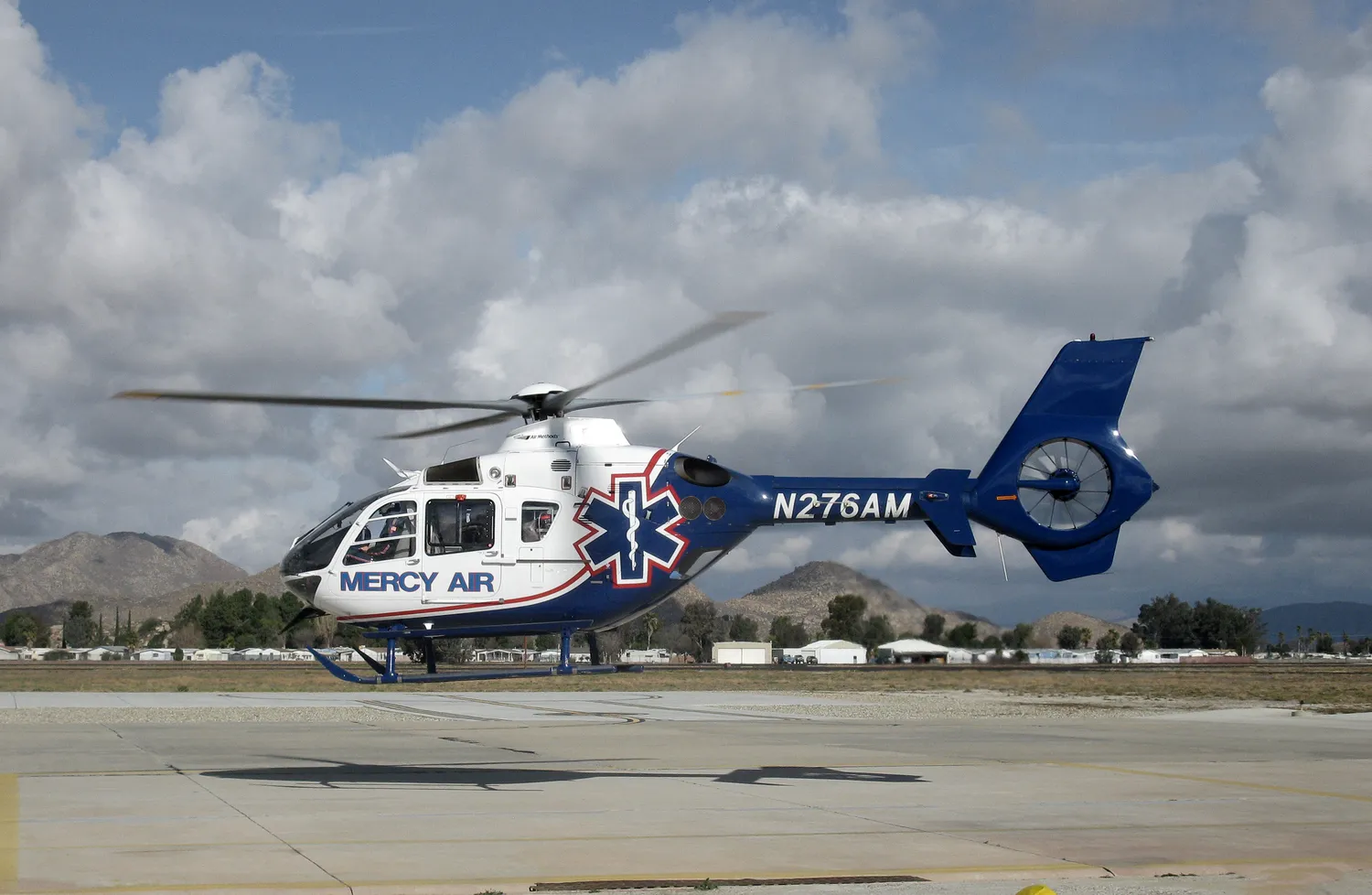

Riverside University Health System Medical Center sits at 26520 Cactus Avenue, east of the 215 and south of the 60 in Moreno Valley. The county's fact sheet lists it as a Level 1 trauma center and a Level 2 pediatric trauma center, with the only pediatric intensive care unit in Riverside County, 439 beds and about 1,500 trauma cases a year (RUHS fact sheet). The same sheet says it was the first verified trauma center in the county, that the American College of Surgeons accredits it for adult and pediatric trauma care, that it is the county's largest teaching hospital, and that RUHS, the county health system it belongs to, is Riverside County's "primary and essential public safety-net provider".
Put plainly: when someone in this county is badly hurt, there is a good chance they end up here. A head injury from a freeway crash, a fall from a roof, a child pulled from a pool, a burn from a house fire. Relatives looking for legal help after events like those often type the first search from a chair in this building while the patient is still in surgery.
Admissions tell a different story from visits
Encounters count every visit, from a sprained ankle to a gunshot wound. Admissions are closer to what an injury firm cares about: the patients sick or hurt enough to stay. In 2025, 19,640 of RUHS Medical Center's 99,952 emergency encounters, or 19.6%, ended in an admission. At Kaiser Moreno Valley the figure was 2,989 of 61,930. HCAI's file doesn't say why patients were admitted, and Kaiser's members can be moved to another Kaiser hospital, so the two numbers can't be compared as measures of severity. They do show where the admitted patients in this city end up: overwhelmingly on Cactus Avenue.
Blind spots in the HCAI file
- It counts encounters, not people; one patient seen three times counts three times.
- It has no cause of injury. Crashes, falls, assaults, illness and overdoses sit in the same total.
- It records where the hospital is, not where the patient lives.
- Trauma patients flown or driven in from other counties are included, and Moreno Valley residents treated elsewhere are not.
Ten years of emergency counts
The city's emergency rooms carry about a sixth of the county's load
Moreno Valley has about 211,666 residents, 8.5% of Riverside County's 2,478,600 according to the 2020-2024 ACS (ACS DP05). Its two hospitals logged 16.3% of the county's 991,598 emergency department encounters in 2025, close to twice the city's share of the population. People travel in from outside the city for treatment, and that pull shapes a local law office's audience as much as the resident count does.
Emergency department encounters at Moreno Valley's two hospitals, 2015 to 2025
Visits plus emergency admissions, by calendar year
- 2015 79,749 36,983
- 2016 78,570 42,328
- 2017 78,193 44,682
- 2018 81,308 44,620
- 2019 87,901 49,384
- 2020 73,798 40,606
- 2021 84,779 47,088
- 2022 96,582 53,644
- 2023 97,655 54,796
- 2024 101,167 59,902
- 2025 99,952 61,930
Use the arrow keys to read each value.
| Year | RUHS Medical Center | Kaiser Moreno Valley |
|---|---|---|
| 2015 | 79,749 | 36,983 |
| 2016 | 78,570 | 42,328 |
| 2017 | 78,193 | 44,682 |
| 2018 | 81,308 | 44,620 |
| 2019 | 87,901 | 49,384 |
| 2020 | 73,798 | 40,606 |
| 2021 | 84,779 | 47,088 |
| 2022 | 96,582 | 53,644 |
| 2023 | 97,655 | 54,796 |
| 2024 | 101,167 | 59,902 |
| 2025 | 99,952 | 61,930 |
HCAI, Hospital Emergency Department Encounters by Facility (ED visits plus ED admissions), Riverside County facilities, 2015-2025.
Growth since 2020 came from both buildings
RUHS Medical Center went from 73,798 encounters in 2020 to 99,952 in 2025. Kaiser Moreno Valley grew faster, from 40,606 to 61,930, and over the full decade it has gone from 36,983 to more than half again that number. Countywide, encounters rose from 752,496 to 991,598 over the same five years. For a firm, the practical reading is that the hospitals in this city are getting busier, not quieter, and that the share of the county's injured passing through them is steady.
A busy emergency room is not a caseload
Most of these patients will never call a lawyer, and most should not need to. A page that treats every emergency visit as a potential case would read like a billboard and would break the rules discussed further down. The counts are useful for something narrower: they show where seriously hurt people and their families spend the first days after an injury, and where they are likely to be when they first search for help.
Map check from Cactus Avenue, Nov. 9, 2026
From the hospital's front door, injury searches return accident brands
The Places API's text search endpoint received a dozen queries from us at 17:22 UTC on Nov. 9, 2026 (developer reference). Each read "[search] Moreno Valley, CA", biased to a 12-kilometer circle around RUHS Medical Center at 26520 Cactus Avenue, and we kept as many as 20 results for each. For each listing we stored its city, its primary Google category, its distance from the hospital and its name. Searches on a real phone also factor in the user's location and history, so this measures the words and the starting point, not every screen in the city.
| Search | Listings | In Moreno Valley | In Riverside | Name mentions the injury |
|---|---|---|---|---|
| Catastrophic injury lawyer | 20 | 6 | 12 | None |
| Brain injury lawyer | 10 | 6 | 4 | None |
| Spinal cord injury lawyer | 11 | 6 | 3 | None |
| Burn injury lawyer | 12 | 6 | 6 | None |
| Medical malpractice lawyer | 20 | 7 | 9 | None |
| Birth injury lawyer | 14 | 6 | 8 | None |
| Hospital negligence attorney | 20 | 5 | 11 | None |
| Child injury lawyer | 20 | 8 | 9 | None |
| Motorcycle accident lawyer | 20 | 5 | 11 | 2, ranked 17th and 18th |
| Pedestrian accident lawyer | 13 | 5 | 6 | None |
| Personal injury lawyer | 7 | 7 | 0 | 2 |
| Wrongful death lawyer | 2 | 0 | 0 | 2, both in Los Angeles |
Source: GLP survey, Google Places API (New) text search, 2026-11-09 17:22 UTC. "Name mentions the injury" counts listings whose business name contains the injury word of the search (brain, spinal, burn, malpractice or medical, birth, child, motorcycle, pedestrian, death; "injury" for the last general search). Firm names are not published here.
Accident brands rotate through every injury search
Across the eleven injury searches (leaving out wrongful death), Google returned only 41 different listings. Of the 33 slots in the first three places, 31 went to Moreno Valley offices whose names contain "accident" or "injury", five offices in rotation, between 2.9 and 6.2 kilometers from the hospital. Ask for a burn lawyer, a brain injury lawyer or a birth injury lawyer and the first screen barely changes. Below them, most of the remaining listings were in Riverside, 16 to 27 kilometers away.
Nobody near the hospital names the injury
Not one listing in those eleven searches had brain, spinal, burn, birth, catastrophic, malpractice or child in its business name. That is not a reason to rename a firm, and stuffing keywords into a Business Profile name breaks Google's guidelines. It is a sign that the map is filling these searches with whatever general injury firm is closest, because nothing nearby describes the specific work. A practice that really handles spinal cord or medical negligence cases, and states that plainly across its site and in the profile's service list, gives Google something to match that the current results lack.
Medical negligence pulls in firms from farther away
For "medical malpractice lawyer", the third listing was a Riverside firm 19 kilometers off, ahead of most of the local accident offices, and listings from San Bernardino, Yucaipa and Redlands also appeared. The pattern fits the field: medical negligence is a narrow practice, and Google seems willing to travel to find it. A local office accepting these cases is up against specialists from across the region, not just with the office down the street.
Wrongful death came back almost empty
The wrongful death search returned two listings, both Los Angeles firms, 98 and 117 kilometers from Cactus Avenue. One run on one day proves little, and a parent searching inside the hospital may see something else. Still, a near-empty answer to a serious search is the strongest hint in this survey that a nearby firm that published a plain, accurate wrongful death page would have little in its way.
Brain, spine and burn injuries
Catastrophic injury pages written for the months after discharge
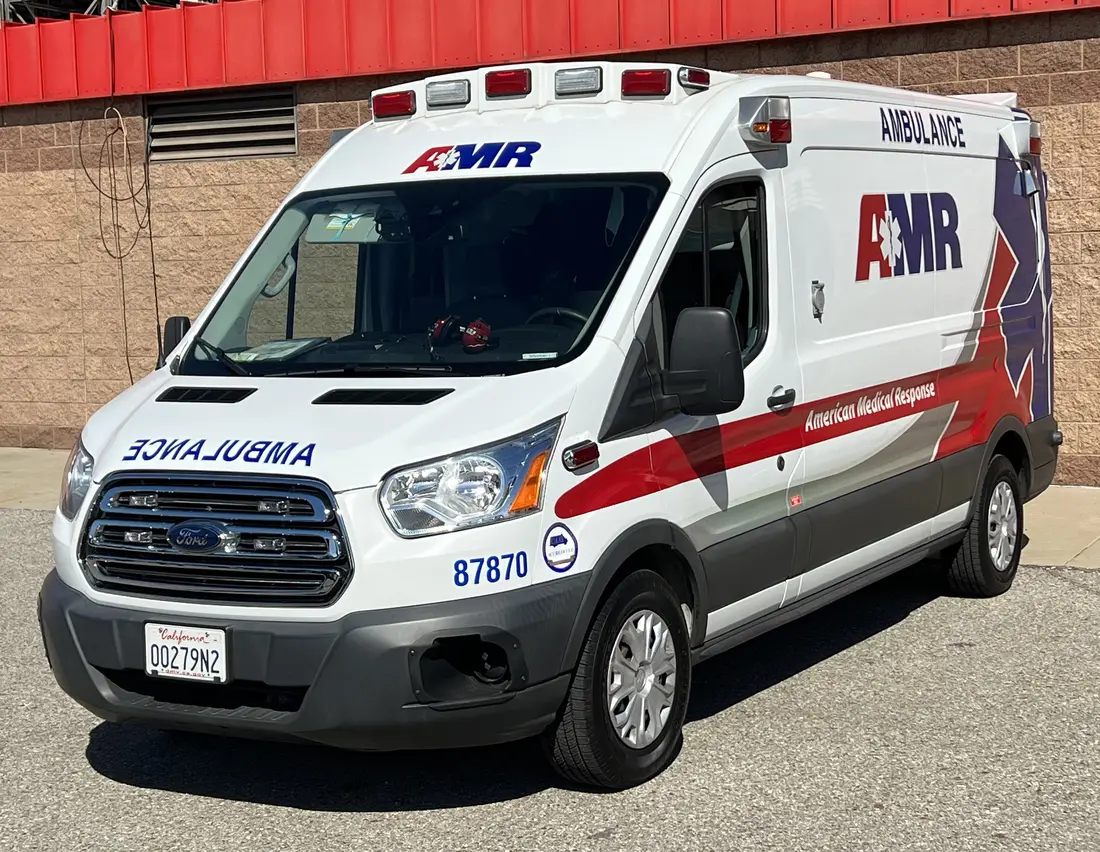

An injury that sends someone to a Level I trauma center rarely ends at discharge. The people who read a catastrophic injury page are usually not the patient but a spouse, a parent or an adult child, and their questions are about the next year: who pays for rehabilitation, whether the job will be there, what happens if the injured person can't manage their own affairs. Answering them does more for a firm than another slogan about "fighting for maximum compensation".
Future losses are most of the case
For a spinal cord or severe brain injury, the money that matters is mostly in the future: years of care, equipment, home changes, lost earning capacity. A page can explain in plain terms that these losses are estimated by experts, often in a life care plan prepared by a nurse or physician and priced by an economist, and that the estimate is argued over by both sides. It can't say what any reader's case is worth, and it shouldn't try.
Burn cases and the question of products
Burns sent to a trauma center often come from a fire, an explosion or a scald, and some of those involve a product: a battery, a heater, a gas line, a pressure cooker. A burn page can explain that finding the source of the fire belongs to the investigation, that the device or what is left of it should be kept, and that lawyers sometimes have to move before anyone repairs or cleans up the scene. Those are concrete instructions a family can follow from a hospital room.
When the injured person dies
California lets certain family members bring a wrongful death action: a surviving spouse or domestic partner, children and, where none survive, others who would inherit, with dependents such as stepchildren and parents included in some situations (Code Civ. Proc. § 377.60). The general limit for an action for injury or death caused by someone's wrongful act is two years (§ 335.1), but deaths caused by medical negligence follow the shorter rule in section 340.5, covered below. Listing who can sue and pointing out both clocks covers what grieving relatives most need to know first.
Pages a family can use the same week
- A list of documents to gather: discharge papers, the police or fire report number, insurance cards, photos, names of witnesses.
- What not to sign before talking to a lawyer, written without frightening anyone.
- Plain explanations of terms families hear on the ward: "intubated", "ICU step-down", "acute rehabilitation", written as definitions that link to the hospital's own patient pages, not as medical advice.
- A contact route that works at night, because families search at night.
Pediatric trauma
Children's injury claims come with a judge's approval step
As Riverside County's Level 2 pediatric trauma center, RUHS Medical Center also runs the county's only pediatric intensive care unit (RUHS fact sheet), so the most seriously hurt children in Riverside County tend to be treated in Moreno Valley. Children reach the hospital after car crashes, pool accidents, falls, dog bites and burns, and every one of their claims follows rules that adult claims don't. Parents tend to find out about those rules late, often when an insurer's offer arrives. Explaining them early earns a parent's trust in a way no slogan does.
Who signs for a child
A minor can't bring a lawsuit alone; the court appoints a guardian ad litem, usually a parent, to act for the child in the case (Code Civ. Proc. § 372). The parent's own claims, such as medical bills they paid, are separate from the child's claim for the child's injuries, and keeping the two apart on the page heads off a common mix-up.
The court approves the settlement, and the fees
When a parent settles a child's disputed claim, the deal binds no one until a superior court signs off on a petition (Prob. Code § 3500). The court's order then directs which expenses, costs and attorney's fees are paid out of the child's money and in what form the remainder is kept for the child (§§ 3600, 3601). The petition must be verified, must disclose everything bearing on whether the settlement is reasonable, and is filed on form MC-350 under rule 7.950 in the California Rules of Court. Unless the court approved the fee agreement in advance, it applies a reasonable-fee standard under rule 7.955, with factors that include the time and labor required, the results obtained and, for a contingent fee, the risk the attorney carried. A parent who reads this before signing a fee agreement is less likely to feel misled later.
Clocks that run differently for children
Most deadlines are paused during the years a child is under 18, which makes many parents think there is no hurry. Medical negligence is the exception that catches people: section 340.5 gives a child three years from the wrongful act, or until the eighth birthday for a child injured before age six if that is longer (Code Civ. Proc. § 340.5), and injuries before or during birth have their own six-year rule (§ 340.4). Evidence, meanwhile, fades on the usual schedule. A page that says "children have more time, but not unlimited time, and the proof doesn't wait" is accurate and useful.
Appointment
Court names a guardian ad litem for the child (CCP 372)
Offer
Insurer or defendant agrees to a figure, subject to approval
Petition
Verified petition on form MC-350 with full disclosure and the fee request (CRC 7.950)
Hearing
Judge reviews the amount, the fee and how the money will be held (Prob. 3500; CRC 7.955)
Order
Fees and expenses paid out, the remainder kept for the child in the form ordered (Prob. 3601)
Public coverage
Medi-Cal covers most Moreno Valley children, which changes how a settlement is planned
The Census Bureau's coverage table counts 32,414 of Moreno Valley's 58,243 residents under 19, or 55.7%, as having Medicaid (Medi-Cal in California) or other means-tested public coverage, alone or with other insurance (ACS S2704). The county figure is 45.5% and the state's 42.9%. Among residents of all ages the city's rate is 34.4%. When a child on Medi-Cal is badly hurt, Medi-Cal may well have paid for part of the care, and that shapes the settlement.
Repaying Medi-Cal out of a recovery
When Medi-Cal has paid for care related to an injury, no settlement or judgment is final until the State has had notice and a chance to claim repayment, and that claim is limited to the part of the recovery that represents medical expenses (W&I Code § 14124.76). Where the beneficiary hired and pays the lawyer, the amount repaid is cut by 25% for the State's share of the fees, and by a share of the litigation costs (§ 14124.72). Families rarely expect this. A settlement page that mentions it in one calm paragraph, and says the firm handles the State's claim as part of closing the case, removes a surprise from the closing weeks of the case.
Keeping eligibility after the money arrives
A lump sum can end the Medi-Cal eligibility that pays for a child's or a disabled adult's ongoing care. California courts can order settlement money for a minor or a person with a disability paid into a special needs trust. The court reviews and approves the trust's terms and keeps supervising it, and the order must first satisfy the statutory liens of the State Department of Health Care Services and the other agencies named in the statute (Prob. Code § 3604). Here an injury page and an estate planning page ought to point readers to one another, and with most local children on Medi-Cal, the topic earns a place on both.
What the coverage figure doesn't show
- It reflects coverage when the survey was taken, not who was covered on the day of an injury.
- It includes people who also have private insurance, so it overstates sole reliance on Medi-Cal.
- How much Medi-Cal paid in a given case isn't in it; that figure comes from the State's own itemized claim.
Professional negligence
Medical negligence claims under the MICRA schedule that began in 2023
Some of the patients who come through a trauma center leave worse than the injury alone would explain: a missed bleed, a delayed surgery, a medication error, a birth that went wrong. California handles those claims under the Medical Injury Compensation Reform Act, amended in 2022 by Assembly Bill 35. The changes apply to cases filed from January 1, 2023 onward, and many pages written before then still state the old figures.
Cap on noneconomic damages in a medical negligence case, by year
Amount per category of defendant under Civil Code section 3333.2; the figure in effect at judgment, award or settlement applies
- 2023 $350,000 $500,000
- 2024 $390,000 $550,000
- 2025 $430,000 $600,000
- 2026 $470,000 $650,000
- 2027 $510,000 $700,000
- 2028 $550,000 $750,000
- 2029 $590,000 $800,000
- 2030 $630,000 $850,000
- 2031 $670,000 $900,000
- 2032 $710,000 $950,000
- 2033 $750,000 $1,000,000
Use the arrow keys to read each value.
| Year (from January 1) | Injury cap | Death cap |
|---|---|---|
| 2023 | 350,000 | 500,000 |
| 2024 | 390,000 | 550,000 |
| 2025 | 430,000 | 600,000 |
| 2026 | 470,000 | 650,000 |
| 2027 | 510,000 | 700,000 |
| 2028 | 550,000 | 750,000 |
| 2029 | 590,000 | 800,000 |
| 2030 | 630,000 | 850,000 |
| 2031 | 670,000 | 900,000 |
| 2032 | 710,000 | 950,000 |
| 2033 | 750,000 | 1,000,000 |
Civil Code section 3333.2, subdivisions (b), (c) and (g), as amended by AB 35 (Stats. 2022, ch. 17). From January 1, 2034 both amounts rise 2% a year under subdivision (h).
Reading section 3333.2 line by line
For an injury that doesn't involve death, noneconomic damages (pain, suffering, disfigurement and the like) against health care providers collectively were capped at $350,000 for cases filed from January 1, 2023, and the cap grows by $40,000 every January 1 for ten years until it reaches $750,000. In death cases the cap started at $500,000 and grows by $50,000 a year to $1,000,000. Section 3333.2 applies these as separate limits for providers, for institutions and for unaffiliated providers or institutions whose separate negligence occurred elsewhere, so up to three limits can apply in one case. The amount in effect when the case is resolved is the one that counts (Civ. Code § 3333.2). Economic losses, such as medical costs and lost earnings, are not capped by this section.
Fee limits a page must get right
The same reform changed what an attorney may charge. In a medical negligence case, a contingency fee can't exceed 25% of the amount recovered if the case settles before a complaint or arbitration demand is filed, or 33% after; for a case that goes to trial or arbitration, the attorney may ask the court or arbitrator for more, which is allowed only where good cause is shown (Bus. & Prof. Code § 6146). "Recovered" is the net after case costs, and the client's medical costs and the firm's overhead don't count as costs. Fee pages still quoting the older sliding scale are stale and may mislead.
Notice, timing and arbitration
Before suing a health care provider for negligence, the patient must give at least 90 days' notice of intent, and a notice served in the last 90 days before the limitation period ends extends the time to sue by 90 days from service (Code Civ. Proc. § 364). The limit itself is the earlier of three years from the injury or one year from discovery (§ 340.5). Many health plans and groups ask patients to sign arbitration agreements, which must carry specific wording set out in section 1295; a page can tell readers to look for that document among their sign-up papers.
Evidence rules that surprise families
The defense in a medical negligence case may tell the jury about benefits the patient received from insurance, disability programs and similar sources (Civ. Code § 3333.1), and where future damages reach $250,000 either side can ask that they be paid over time rather than in one lump sum (Code Civ. Proc. § 667.7). And a doctor's expression of sympathy can't be used as an admission of fault, though a statement of fault made alongside it can be (Evid. Code § 1160). Families often hold on to a remark made at the bedside, and telling them which words carry weight is a real service.
A public hospital
A county-owned hospital moves the first deadline
RUHS Medical Center is Riverside County's own hospital, and its fact sheet calls the RUHS system the county's "primary and essential public safety-net provider" (RUHS). That matters for the small share of cases in which a patient believes the county's own staff caused harm, because claims against a public entity follow the Government Claims Act. A claim for death or for injury to a person generally must be presented no more than six months after the claim arises (Gov. Code § 911.2), and once the claim is rejected, the time to file suit is set by section 945.6. These steps come before, and in addition to, the medical negligence rules above.
A warning sentence instead of a second manual
The claims procedure itself appears on our Sacramento page, written for claims against the State government. A Moreno Valley firm's medical negligence page doesn't need to repeat it. It needs one clearly placed sentence: if the doctor or hospital was public, the first deadline is about six months, not one year. That sentence alone can save a reader's claim, and it costs the page nothing.
Who is public and who isn't
Patients don't always know. Kaiser Moreno Valley, about two kilometers south on Iris Avenue, is run by a private health system; RUHS Medical Center is a county facility, as are the county clinics linked to it. Doctors working inside a public hospital may be county employees or employees of a private medical group. A page can't sort that out for a reader, but it can warn that the answer changes the deadline and that intake will confirm it before anything else.
The first request
Chart requests come before any demand letter
Every serious injury case is built on the medical record, and in a trauma case the record can run to thousands of pages: the ambulance run sheet, the trauma bay notes, imaging, operative reports, nursing notes, rehabilitation plans. Families want to know how to get it, and many firms answer the same question on every intake call. A short page can answer it once.
The patient's own right
An adult patient, or a patient's personal representative, may inspect their records within five working days of a request and is entitled to copies, which the provider must send within 15 days of a written request, for a reasonable fee set by the statute (Health & Safety Code § 123110). The section has special rules for minors' records and a few exceptions, which a page should mention and leave to the consultation.
The attorney's request before a case is filed
A separate statute lets an attorney, with a written authorization from the patient, a parent or guardian of a minor, or the personal representative or an heir of a patient who died, inspect and copy a provider's records before any lawsuit is filed or any defendant appears (Evid. Code § 1158). That is the route most firms use. Naming it tells the reader the office knows how to get the chart without a fight.
Records requests as a page, not a form
- What the record includes, in the order a trauma admission produces it.
- Why the ambulance and fire department reports are separate requests to separate agencies.
- How long it usually takes, given as the statute's deadline rather than a pledge.
- What the family can do today: note dates, names and every explanation staff gave, before memory fades.
Tone and the rules
Pages about injured patients, written without promises or pressure
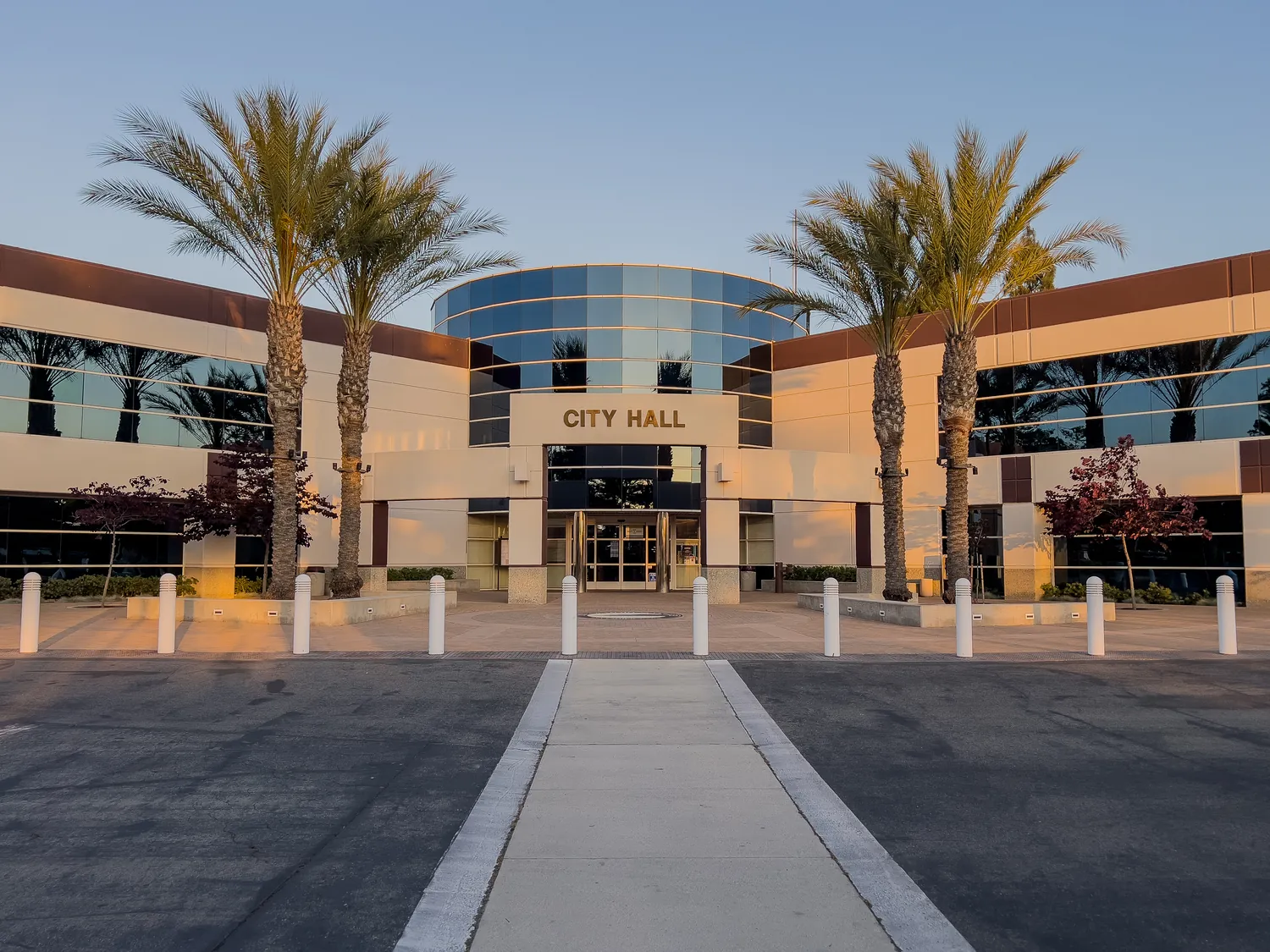

People read these pages on a bad day. That changes how they should be written. Short paragraphs, plain words, the most useful fact first, and no countdown clocks or "act now before it's too late" banners. A page can state a deadline exactly as the law states it, which is more persuasive than any warning sign.
Where GLP covers the ethics rules for ads
California's ethics rules for lawyer ads and solicitation bind a Moreno Valley office exactly as they bind one in any other California city, so the explanation lives in one place, the rules section of the Los Angeles page. Two points matter most here. A page may describe statutes and what the office does, but it can't promise or imply a result. And a hospital is a place where people are vulnerable; nothing on the site should read as an invitation to approach patients there, and no one from the firm should.
Case results and reviews
Past results are a sensitive subject on injury pages. If a firm publishes them, each needs the context a reader needs to understand it, and none can suggest the reader will get the same. Reviews are different: a review that describes how the firm treated a family in the weeks after a crash says more than any figure. We request reviews only by methods Google permits, and we never write, edit or pay for them.
Words a family uses, not words a lawyer uses
Families search for "my son was in a coma after a car accident", "hospital made a mistake during surgery", "who pays for rehab after a spinal injury". Lawyers write "traumatic brain injury", "professional negligence", "future medical damages". A useful page carries both: the plain question as a heading, the legal term in the answer, so the reader and Google both find what they're looking for.
AI search
AI assistants answer the family's first questions; a firm's page can be their source
At 2 a.m. in a pediatric unit, a parent may type a question into ChatGPT or read Google's AI Overview before ever opening the map. They ask long, specific questions: whether a hospital can be sued in California, how long they have, what happens to a child's settlement. Those assistants answer from pages they can read and trust, and they sometimes name the source.
Quotable passages, one rule at a time
We write short passages that stand on their own: a sentence stating the rule, the statute it comes from, and the exception that matters. The MICRA schedule, the six-month warning for a public hospital and the court approval step for a child's settlement are good examples, because they have exact answers that change by year or by case type, and older pages online often get them wrong.
Checking what the assistants say
Every month we put the families' questions about your practice areas to the major assistants, then log the replies, the cited sources and any mention of your office. When an answer is wrong, the fix is usually a clearer page on your site rather than anything done to the assistant. We describe the full approach under AI search work for legal practices.
Around the hospital
Perris, Beaumont, Banning and the Pass: where many patients come from
A trauma center serves a region, not a city. HCAI's facility file doesn't say where each patient lives, so we can't map the hospital's catchment from it. What it does show is that the two Moreno Valley hospitals carry about twice the city's share of the county's emergency load, and the gap is filled by people from elsewhere. So an office in this city has an honest local reason to write for readers in nearby towns. Where we have a city page, it is linked below.
Most of the non-local listings in our survey sat here, 17 to 27 kilometers from the hospital, across the Box Springs Mountains.
Across the county line to the north, with its own trauma hospitals and its own court system.
The west end of San Bernardino County, which also covers the Chino queries in our Search Console list.
Perris, Beaumont, Banning
GLP has not written a page for these towns yet. Our survey drew listings from Perris, and the hospital sits on the road toward the Pass, so an office in this city can cover them from here.
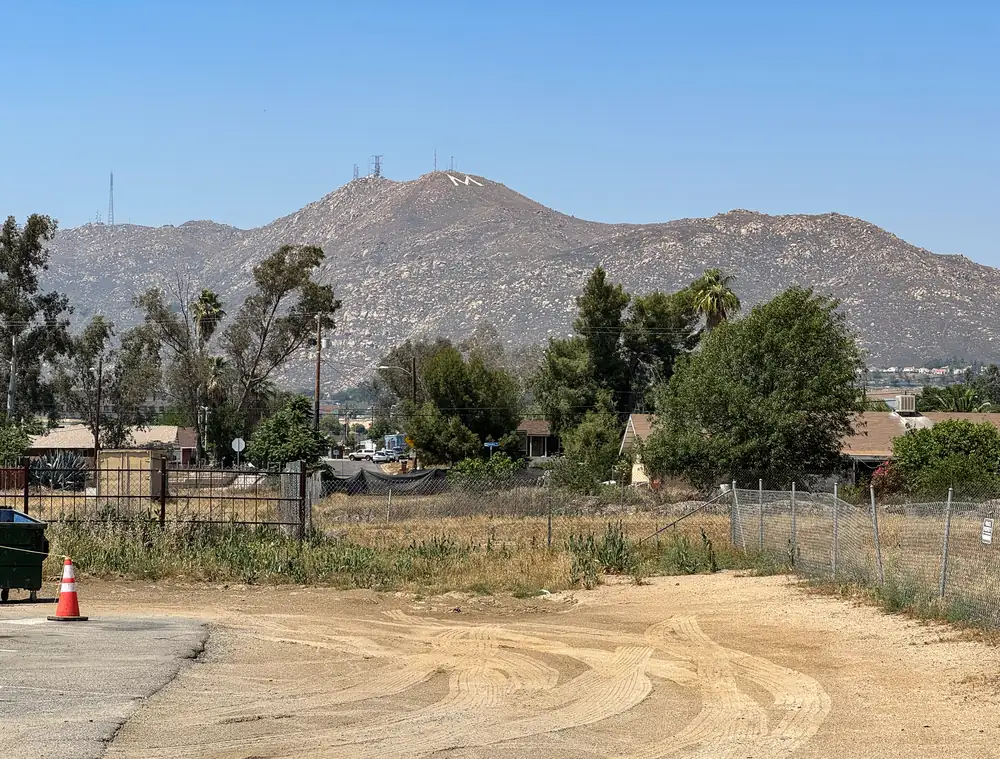

Writing for a neighbor town without pretending to be there
A page for families from Perris or Banning should say where the firm's office actually is, how far it is, and how meetings work: at the office, by video, or at the family's home if the injured person can't travel. It can explain the local facts that matter, such as which hospital the ambulances from that area usually reach, without inventing a branch. Google's rules for Business Profile listings favor a real address and punish an invented one, so honesty here is also the safe choice.
Honest limits
Where this page stops, and which calls stay with the practice
Our office sits in West Hollywood, roughly 68 miles from Cactus Avenue in a straight line, and Inland Empire clients work with us over video and phone. The Moreno Valley detail here was assembled from public records, statutes and our own dated survey, not from years of practicing locally, and saying so plainly beats implying otherwise.
Gaps in the data
- Hospital counts don't tell us the cause of any visit or where patients live.
- Our survey is a single snapshot from a single address; phone results vary by person and place.
- Coverage figures are survey estimates with margins of error, suited to citywide reading.
- We don't know any firm's caseload, and we don't assume one from population numbers.
Legal review stays with your own lawyers
We research and write; a lawyer in your office checks each legal sentence and decides whether it goes live. The statutes cited on this page were read on November 9, 2026, and some of them, the MICRA caps in particular, change on a schedule. We recheck dated figures on every page we maintain and update them when the law moves.
What Moreno Valley injury firms ask us about trauma pages, MICRA and the audit
Other questions get answered on the phone once you've watched your free audit recording.
In short
What GLP would do in search for a Moreno Valley, California practice, written around the county trauma center on Cactus Avenue: emergency department counts, our November 2026 Places API check of serious-injury searches sent from the hospital's address, catastrophic and child injury pages, Medi-Cal and settlement planning, medical negligence under the 2023 MICRA schedule, county-hospital claims and medical records.
We take serious injury cases across the Inland Empire. Why build pages around a hospital on Cactus Avenue?
The county's worst injuries are taken there. Riverside University Health System Medical Center holds Level I adult and Level II pediatric trauma status (RUHS fact sheet), and in 2025 it and Kaiser Moreno Valley logged 161,882 emergency department encounters between them (HCAI). A family searching for help after a brain or spinal injury is often searching from a waiting room in this city, whatever their home address.
May our website mention RUHS or Kaiser by name?
As a fact about where care happens, yes, written plainly: "the county's trauma center in Moreno Valley treats..." is a statement anyone can check. What a page can't do is suggest the firm works with the hospital, borrow its logo, or invite readers to contact the firm because of anything the hospital said. The hospital will also be a party, or a source of records, in some of the cases your page attracts, so neutral wording protects you either way.
How should a medical negligence page explain the caps that changed in 2023?
With the schedule itself, not a single number that goes stale. Civil Code section 3333.2 set the non-death cap at $350,000 for cases filed from January 1, 2023, with $40,000 added each January 1 until it reaches $750,000, and a separate death schedule rising from $500,000 to $1,000,000 (Civ. Code § 3333.2). The amount that applies is the one in effect at judgment, award or settlement, so a page should carry the year-by-year table and say when someone at the firm last compared it with the statute.
Our malpractice intake gets calls that are two years old. What should the page say about timing?
What section 340.5 says: three years from the injury or one year from when the patient discovered it or should have, whichever comes first, with narrow tolling for fraud, concealment or a foreign body (Code Civ. Proc. § 340.5). Then the 90-day notice of intent that has to go out before suit (§ 364). State both plainly, and a caller with an old injury still learns something useful before the consultation.
What does a page about a child hurt in an accident need that an adult page does not?
A section on court approval. A minor's claim is brought through a guardian ad litem, and a parent's settlement of it needs a judge's sign-off, with the court deciding how the child's money is kept (Prob. Code § 3500, § 3600). Parents rarely know this in advance. Walking parents through the petition, the hearing and the way fees are approved under rule 7.955 answers the question they ask on the second call.
Most of our clients have Medi-Cal. What belongs on our settlement page?
Two things: that Medi-Cal may ask to be repaid from a recovery, and that the repayment and the client's future eligibility can be planned for. The Welfare and Institutions Code limits the State's claim to the medical part of the recovery and reduces it for fees and costs (W&I Code § 14124.76, § 14124.72), and a court can order a special needs trust for a minor or a person with a disability (Prob. Code § 3604). In Moreno Valley 55.7% of residents under 19 have Medi-Cal or other means-tested coverage, so this page will be read.
Our brain injury practice is missing from the map when someone searches at the hospital. Why?
Run through Google's Places API from the hospital's address (Nov. 9, 2026), that search put general accident firms with offices a few kilometers away in the first places. Across our eleven serious-injury searches, not one listing had "brain", "spinal", "burn", "birth" or "malpractice" in its name. Google matches what a profile and a website say, then weighs distance; an office that never names the injury anywhere online leaves Google little to match.
Is it wise to publish pages about suing the county hospital itself?
Yes, with care, because the clock is shorter. Because RUHS Medical Center belongs to the county, an injury claim aimed at it, as at any public body, usually must be filed with it no later than six months after the event, before any lawsuit (Gov. Code § 911.2). Our Sacramento page explains the claims procedure itself; a Moreno Valley page only needs to warn that the deadline differs when the provider is public.
A wrongful death search shows Los Angeles firms in Moreno Valley. Is that an opening?
It looked like one when we checked. Typed as "wrongful death lawyer Moreno Valley, CA", the query returned two listings, both Los Angeles firms, 98 and 117 kilometers from the hospital. Sparse results like that tend to change once a nearby office publishes a clear page and adds the service to its Google profile. The page should explain who may bring the action under section 377.60 and the two-year limit in section 335.1, with the medical negligence exception noted.
What medical records can our office ask a hospital for before suit?
With a signed authorization from the patient, a parent or a personal representative, an attorney may inspect and copy a provider's records before any case is filed (Evid. Code § 1158). Patients have their own right to copies, which the provider must send within 15 days of a written request (Health & Safety Code § 123110). A short page explaining both saves your intake team from explaining it on every call.
Catastrophic cases sign up months after the injury. How does GLP show what the website did?
We keep the trail from the first visit. We record which page a person landed on, whether they called or filled in a form, and how intake tagged the matter, so a case that signs in March can still be traced to a February visit to a spinal cord injury page. Where your intake system loses that link, the report admits it rather than guessing.
Will GLP write medical content without a doctor or a lawyer checking it?
No. We draft from statutes, court rules and public data, and a lawyer in your office signs off on each injury or treatment description before it goes up. We don't write symptoms, prognoses or treatment advice as if we were clinicians; a page can explain what a diagnosis means for a claim and link to the hospital's or the State's own patient material for the medical side.
How does month one usually run for a trauma-injury practice here?
It opens with the free recorded audit, which looks at the website, the Google listing and the replies AI assistants give about the office, measured against the searches in our survey. Should you continue, month one tends to cover the profile's services and categories, one page for the injury type you most want more of, and call tracking matched to the page each caller saw. The retainer price is sent in writing after you've reviewed the audit, and no ranking date is promised.
Look at your firm through the phone of a family in the trauma waiting room
Tell us which injury brings your strongest cases: brain, spinal cord, burns, a child's injury or a medical mistake. We study your website and your map profile, put a family's questions to ChatGPT and Google, and record a screen tour of the results for you.
Or call Call (661) 388-5526