
Boston practices, Cambridge offices, North Shore firms and the rest of the Commonwealth
Lawyer SEO in Boston, MA
Search for Boston law firms, shaped by the students, clinicians and researchers who hire them.
GLP plans search for Boston law firms around who actually calls them: students, hospital and university staff, researchers and the companies that employ them. Every page is read against the Massachusetts rules on lawyer advertising before it goes live.
This page covers the part of lawyer SEO, marketing for attorneys and AI search that only applies here: who Boston's clients are, which Massachusetts statutes and courts their questions turn on, and the advertising rules the Supreme Judicial Court sets for every lawyer in the Commonwealth. For the parts of our work that a Boston office shares with one in Denver, start at law firm SEO.
Free, done by a real person, and in your inbox within 48 hours.
What GLP does for Boston firms
What GLP does for a Boston or Massachusetts law firm, start to finish
GLP is a law firm SEO company and legal marketing agency, and in Boston the work starts with an unusual client base. More than half of the people enrolled in school in the city are in college or graduate school; nearly a third of employed residents work in education or health care. Students, hospital staff, researchers and the institutions that employ them bring their own legal problems, and they meet a set of Massachusetts statutes that a national template never mentions. We plan from those facts, whether the firm sits on State Street or in Springfield.
Practice pages written from the General Laws
Each page is drafted from the section of the Massachusetts General Laws, the court rule or the agency page that governs it, with a link a reader can follow. Nothing that states the law goes live until one of your lawyers has approved it, and every draft cites the statute itself rather than someone's summary.
In Boston: deposit, Wage Act, MCAD and charitable-immunity pages carry the exact numbers from the statute.
Map listings tuned to the matters you want
We choose the profile's categories and services from the matters you want, keep hours and photos current, and build review requests into intake. Profiles are kept identical to the website and the main directories, so the same name, address and phone appear wherever a client or an AI tool checks.
In Boston: neighborhood names clients actually use (Allston, Fenway, Dorchester) belong in reviews and pages, never in a keyword-stuffed business name.
AI search: pages an answer engine can quote
We look at how your firm appears in Google AI Overviews, ChatGPT, Perplexity and Claude, then rewrite key pages so each section opens with a direct answer and facts that match across your site, profile and listings. The audit tells you what we can and can't measure in AI results.
In Massachusetts: pages have to add something mass.gov doesn't, because our survey found the state's own site in 17 of 20 question results.
Reports that end at the signed retainer
We put Search Console and analytics data next to what your intake records: calls, form fills and signed cases. Forms route to your CRM or intake team, calls are tracked from launch, and where a source can't be traced we say so and help fix the gap.
In Boston: intake that records whether a caller is a student, a hospital employee or a business tells you which pages are earning the cases you want.
Start with the free audit. Someone on our team looks your firm up on Google and in ChatGPT as a Massachusetts client might, compares you with the firms that appear above you, and records a short video of what to fix first.
Get My Free AuditBefore any keyword list
Boston beside Massachusetts and the country: the measures behind a search plan
These are the comparisons we start from. Each row gives Boston's figure next to the state and national ones, with its source in the first column, and the line under it says what the gap means for a law firm's pages.
| Measure and source | Boston | Massachusetts | United States |
|---|---|---|---|
| Of everyone enrolled in school, share in college or graduate school (ACS DP02) | 55.6% | 33.2% | 26.7% |
| A student client base that renters' law, conduct hearings and first-job contracts all draw from. | |||
| Share of the population in its early twenties, ages 20 to 24 (ACS DP05) | 10.0% | 6.9% | 6.5% |
| Many first-time legal clients, who have never hired a lawyer and start with a question rather than a firm name. | |||
| Employed residents working in education, health care and social assistance (ACS DP03) | 31.6% | 28.1% | 23.5% |
| Employment pages for clinicians and university staff, and injury pages that meet the charitable-immunity cap. | |||
| Median age (ACS DP05) | 33.3 | 40.0 | 38.9 |
| A younger city than its own suburbs, which is why the North Shore gets a different plan further down. | |||
| Students at Boston-based colleges and universities, fall 2024 (City of Boston) | 162,458 | n/a | n/a |
| A population that turns over every year, so a page that helped last year's students has to find this year's. | |||
| Registered attorneys on active status, end of fiscal 2025 (BBO) | n/a | 60,956 | n/a |
| One regulator and one rulebook for every one of them, set out in the three rules sections below. | |||
Boston's figures in the first four rows are 2020-2024 averages from the Census Bureau's American Community Survey; the student total is from the University Accountability Reports the City compiles each year.
A college town of 666,000
When the client is a student at a Boston college or university
The City of Boston requires its colleges and universities to report every year how many students they enroll and where those students live. The 2025 report counts 162,458 students at Boston-based institutions in fall 2024, up 12.2% since 2013, with most of the growth in graduate programs. Census data tells the same story from the residents' side: 55.6% of the people enrolled in any school in Boston are in college or graduate school, more than double the national share. For a firm, that means a large, renewing population of clients who have rarely needed a lawyer before.
Where off-campus students live, by neighborhood
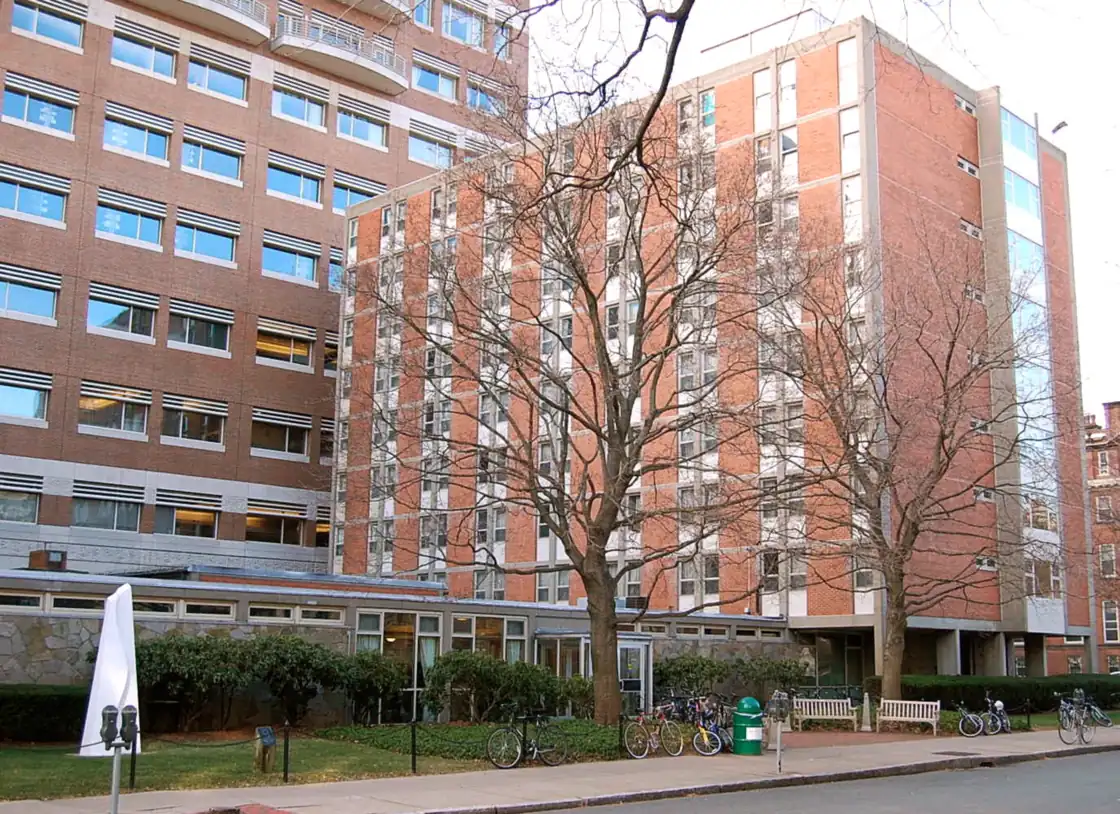
The same report finds 39,012 students living in private off-campus housing inside the city, 19,847 undergraduates and 19,165 graduate students. The largest clusters by ZIP code are Fenway and Kenmore (5,080), Allston (4,883), the Longwood Medical Area with parts of Mission Hill and the Fenway (4,721) and Mission Hill (4,222). Students occupy more than 17,000 one-, two- and three-family homes and condos in the private market. A firm that wants student clients writes for those neighborhoods by name, because that is where its readers sign their leases.

September 1 and the deposit questions that follow it
The City's moving guide says plainly that most Boston leases turn over at the beginning of September (boston.gov). For a tenant firm, that makes the calendar predictable. Under G.L. c. 186, § 15B, a landlord may collect no more than first month's rent, last month's rent, a security deposit equal to one month and the cost of a new lock, must return the deposit within 30 days after the tenancy ends, and owes three times the deposit plus 5% interest, court costs and attorney's fees for listed failures (G.L. c. 186, § 15B). Deposit pages should be refreshed and promoted in late September and October, when those 30 days run out for thousands of students at once.
Interns, research assistants and the noncompete they were handed
The Massachusetts Noncompetition Agreement Act makes a noncompete unenforceable against undergraduate or graduate students in an internship or other short-term job while enrolled (G.L. c. 149, § 24L). A student who signs one at a Kendall Square startup has a question with a clear statutory answer, and employment firms can own it with a page that quotes the exemption.
An arrest in Allston, and a family searching from out of state
If the arrest happened in Allston, the case opens in the Brighton Division, which the Boston Municipal Court assigns to Brighton and Allston. A defense page written for students explains, in order, what the first court date is, where it is, and what a clerk-magistrate hearing means when there is one: our survey found law firm pages holding seven of the ten results for that Massachusetts question. Census data puts 5.0% of Boston residents in another state a year earlier, more than twice the national 2.3% (ACS DP02), so these pages need to make sense to a family that has never seen a Massachusetts court.
For firms with student clients: The audit shows which campus-neighborhood searches reach your firm today and which go to someone else.
Ask for the auditInjury and malpractice pages
When the defendant is a hospital or university: Massachusetts' charitable cap
Boston's largest private employers are nonprofits. Federal wage records for 2024 count 22 general medical and surgical hospitals in Suffolk County employing 80,026 people on average, and 50 colleges and universities employing 37,152 (BLS QCEW, Suffolk County). Together that is more than one private-sector job in six in the county. So a Boston injury or malpractice claim may well name a charity as the defendant, and Massachusetts caps what a charity pays.
What section 85K caps, and at what amount
General Laws chapter 231, section 85K removes charitable status as a defense to a tort claim but caps a charity's liability at $20,000, exclusive of interest and costs, when the tort happened in an activity carried on to accomplish its charitable purposes directly (G.L. c. 231, § 85K). For medical malpractice claims against a nonprofit health care provider, the same section sets the cap at $100,000. Those two numbers decide whether many Boston cases are worth bringing, and a firm's injury and malpractice pages should state them rather than let a reader find out at the consultation.
The exception that changes the answer
The cap does not apply when the tort was committed in activities "primarily commercial in character", even if the revenue goes to charitable purposes. A fall in a university's parking garage open to the public, an injury at a hospital-run retail operation, a collision with a vehicle on commercial business: each raises the question, and pages that explain the distinction in plain words help callers understand why one case is worth pursuing and another isn't.


The tribunal every malpractice claim goes through
Every malpractice action against a health care provider in Massachusetts is first heard by a tribunal of a Superior Court justice, a physician and an attorney, within 15 days after the defendant's answer is filed (G.L. c. 231, § 60B). The tribunal decides whether the evidence raises a legitimate question of liability or shows only an unfortunate medical result. If it finds for the defendant, the plaintiff may go on only by posting a $6,000 bond within 30 days. A malpractice page that explains this screening step, in that order, answers the question a patient's family asks before any other.
The $500,000 limit on general damages
Section 60H limits awards for pain and suffering and other general damages against a health care provider to $500,000, unless the jury finds a substantial or permanent loss or impairment of a bodily function, substantial disfigurement or other special circumstances (G.L. c. 231, § 60H). Combined with the charitable cap for nonprofit providers, it shapes the honest answer to "is it worth suing the hospital?", which is the question a good Boston malpractice page is really about.
How we build pages around the caps
- One page per defendant type (nonprofit hospital, private practice, university) instead of one generic malpractice page.
- The cap, the commercial-activity exception and the tribunal stated in the first screen, each linked to its section of the General Laws.
- Intake questions on the page that sort callers by who the defendant is, so the firm hears first from the cases it can take.
- No implied promise about outcomes; Rule 7.1 Comment [3] treats results presented without context as misleading.
Employment and immigration pages
Clinicians, lab staff and university employees as clients
Across the river, Middlesex County's research and development firms employed 70,554 people in 2024, and their pay averaged $240,428 a year (BLS QCEW, Middlesex County). Add the hospitals and universities, and Greater Boston's workforce is unusually full of people whose employment questions turn on Massachusetts statutes with sharp numbers: triple damages for unpaid wages, a 300-day agency deadline, a 30-day demand letter before a consumer suit. Those numbers are what employee-side and employer-side firms should build pages around.
Three Massachusetts clocks an employment or consumer page should state from the statute
-
Chapter 93A consumer claim (G.L. c. 93A, § 9(3))
- Day 0Written demand for relief mailed or delivered
- Day 30Tender window closes; suit may be filed
-
Wage Act claim (G.L. c. 149, § 150)
- Day 0Complaint filed with the Attorney General
- Day 90Private suit allowed (sooner with written assent)
-
MCAD discrimination complaint (G.L. c. 151B, § 5)
- Day 0Alleged act of discrimination
- Day 300Last day to file with the MCAD
Use the arrow keys to read each date.
| Rule | Day | What happens |
|---|---|---|
| Chapter 93A consumer claim (G.L. c. 93A, § 9(3)) | 0 | Written demand for relief mailed or delivered |
| Chapter 93A consumer claim (G.L. c. 93A, § 9(3)) | 30 | Tender window closes; suit may be filed |
| Wage Act claim (G.L. c. 149, § 150) | 0 | Complaint filed with the Attorney General |
| Wage Act claim (G.L. c. 149, § 150) | 90 | Private suit allowed (sooner with written assent) |
| MCAD discrimination complaint (G.L. c. 151B, § 5) | 0 | Alleged act of discrimination |
| MCAD discrimination complaint (G.L. c. 151B, § 5) | 300 | Last day to file with the MCAD |
Sources: G.L. c. 93A, § 9(3); G.L. c. 149, § 150; G.L. c. 151B, § 5 (malegislature.gov, read November 4, 2026). Exceptions in each section are not shown.
Unpaid wages: the Attorney General before the courthouse, then treble damages
Under G.L. c. 149, § 150, an employee may sue over unpaid wages 90 days after filing a complaint with the Attorney General, or sooner with the Attorney General's written assent, and within three years of the violation. A prevailing employee "shall be awarded treble damages, as liquidated damages", plus litigation costs and reasonable attorney's fees (G.L. c. 149, § 150). The treble award is mandatory, not discretionary, which is the single fact most worth putting in a wage page's first lines. In our survey, half the results for this question came from firms based outside Massachusetts, mostly writing for employers; a Boston firm writing for workers has room to rank beside them.
Discrimination: 300 days to reach the MCAD
The Massachusetts Commission Against Discrimination accepts a complaint only within 300 days after the alleged act (G.L. c. 151B, § 5). A hospital employee who waits for an internal grievance to finish can lose that window without knowing it existed, so a discrimination page should name the deadline and the event that starts it before anything else.
Consumer claims and the 30-day demand letter
Before suing under Chapter 93A, a consumer must send a written demand describing the unfair or deceptive practice and the injury at least 30 days ahead. A business that makes a reasonable written settlement offer within those 30 days can limit what it pays later, and a willful or knowing violation can bring two to three times the actual damages (G.L. c. 93A, § 9). The demand letter is Massachusetts' own pre-suit ritual, and pages on both sides of it, for the consumer writing it and the company receiving it, answer searches no out-of-state template covers.
Immigration firms and the cap-exempt employers
Federal rules exempt H-1B petitions filed by institutions of higher education, and by nonprofits related to or affiliated with them, from the annual numerical cap (8 CFR 214.2(h)(8)(iii)(F)). In a region built on universities and their affiliated hospitals and research institutes, that makes "cap-exempt" a working phrase for researchers, postdocs and physicians. An immigration firm's Boston pages can explain who qualifies, why a hospital affiliated with a university may count, and what changes when a researcher moves to a private company.
Jurisdiction as a planning tool
Courts that decide which Boston matters a page should chase
Massachusetts divides cases among trial court departments by type and by value, and several of them sit in Boston with reach far beyond the city. For a firm planning pages, a court's limits work as a filter: they say which matters are local, which are statewide and which belong to a specialized session with its own audience.
The Boston Municipal Court's $50,000 line
A $50,000 ceiling, for cases begun since January 1, 2020, separates the contract and tort suits the BMC can hear from Superior Court cases; the same court takes small claims up to $7,000, evictions, restraining orders and most misdemeanors (Boston Municipal Court). Its eight divisions each cover named neighborhoods. A consumer or collections practice whose cases fall under that ceiling can write to the BMC directly; a firm that wants larger cases should be writing about the Superior Court instead.
A session for business disputes
The Superior Court's Business Litigation Session hears commercial disputes that, because of their complexity, benefit from individualized case management, and it runs two full-time sessions (Superior Court BLS). The court publishes its own administrative directive, a quick-reference guide for attorneys and the session's history of justices. A business litigation firm earns trust by showing it knows how a case gets into the BLS and what that means for timing, not by repeating that the firm "litigates complex disputes".

The Land Court and title questions from every county
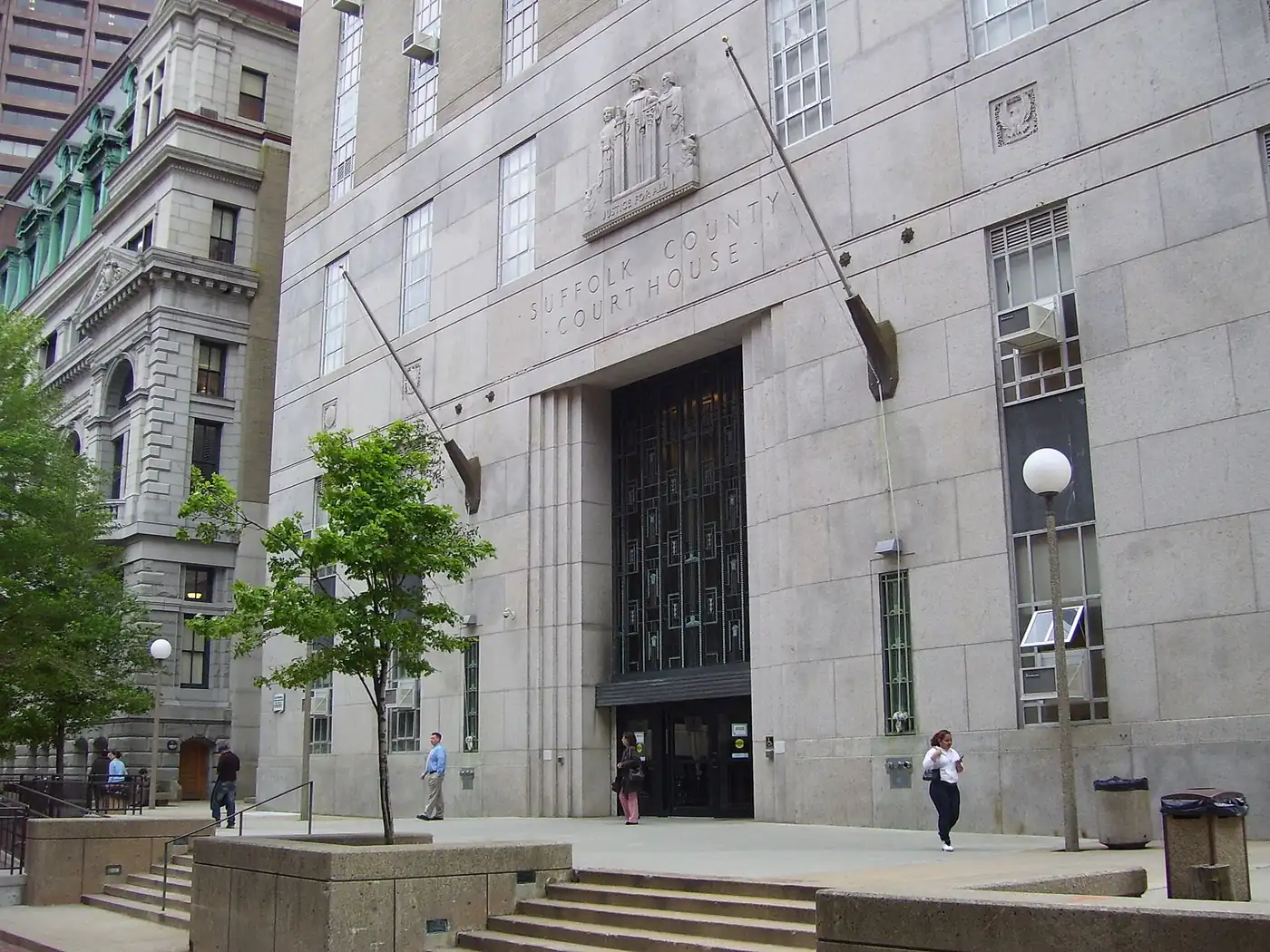
From fifth-floor offices in the Suffolk County Courthouse, the Land Court hears real estate and land use cases from every county and keeps the Commonwealth's system of registered title (Land Court). Its own resource list includes partition, tax lien foreclosure and registered land. A real estate practice anywhere in Massachusetts can build pages for those matters that are as relevant in Pittsfield as in the Back Bay, which makes them some of the few statewide pages a Boston firm can justify.
Housing cases and the division map
The Housing Court handles evictions, small claims and civil actions involving residential housing, from personal injury and discrimination to code enforcement, with 15 judges sitting in six divisions: Central, Eastern, Metro South, Northeast, Southeast and Western (Housing Court). For a landlord-tenant firm, the division is the geography of its pages; its Northeast division has a Lawrence session serving towns such as Andover, Haverhill and Methuen, so a firm with clients in Boston and in the Merrimack Valley writes for the Eastern and Northeast divisions separately.
Our search survey
Who publishes the pages Google returns for Massachusetts legal questions
People in Boston often start with a question, not a firm: how long a landlord has to return a deposit, what a clerk-magistrate hearing is, how long probate takes. On November 4, 2026 we put 20 of those questions to Google through the Serper API, with the searcher placed in Boston, and recorded the first ten organic links for each. We sorted the 194 organic results into four groups: law firm pages, Commonwealth government sites, legal aid, bar and academic sites, and everything else (forums, video, news, publishers and businesses). Results change daily, so the counts guide a plan rather than predict a position.
Who held page one for 20 Massachusetts legal questions, by type of matter
First ten organic links for each question, searched as if from Boston on November 4, 2026; 194 results in all
- Criminal process4 questions, 40 results 60%18%15%
- Injury and malpractice5 questions, 48 results 58%17%17%
- Work and business4 questions, 38 results 58%16%16%
- Family and estates4 questions, 38 results 53%16%21%
- Renting2 questions, 20 results 25%15%20%40%
- Lemon law1 question, 10 results 40%30%20%
Use the arrow keys to read each value.
| Type of matter | Law firm pages (%) | Commonwealth government (%) | Legal aid, bar and academic (%) | Forums, publishers and other (%) |
|---|---|---|---|---|
| Criminal process / 4 questions, 40 results | 60 | 17.5 | 15 | 7.5 |
| Injury and malpractice / 5 questions, 48 results | 58.3 | 8.3 | 16.7 | 16.7 |
| Work and business / 4 questions, 38 results | 57.9 | 15.8 | 15.8 | 10.5 |
| Family and estates / 4 questions, 38 results | 52.6 | 15.8 | 10.5 | 21.1 |
| Renting / 2 questions, 20 results | 25 | 15 | 20 | 40 |
| Lemon law / 1 question, 10 results | 40 | 30 | 20 | 10 |
Source: GLP Marketing survey of Google results via the Serper API, location Boston, Massachusetts, November 4, 2026, 19:31 UTC. Government = mass.gov, malegislature.gov and other public bodies; legal aid, bar and academic = MassLegalHelp, bar associations, law schools, journals and legal aid groups.
The Commonwealth's own site is everywhere
Mass.gov appeared in the top ten for 17 of the 20 questions and was the first result for 11 of them. Counting the Legislature's site and other public bodies, government pages took 29 of the 194 results. When the state already explains the rule, a firm's page can't win by restating it. It wins by adding what an official page leaves out: how the rule plays out for someone like the reader, what the firm sees at the courthouse, and when a lawyer changes the outcome.
Firms own the questions about process
Law firm pages took 103 of the 194 results across all 20 questions, and their strongest showing was on questions about what happens next: eight of ten results for an arraignment in Boston Municipal Court, eight of ten for the $2,000 PIP threshold, and seven of ten for clerk-magistrate hearings and for first-offense OUI penalties. Those are the searches where a person is about to face a step and wants someone who has been through it many times. Practice pages built around each step have the clearest path to page one in Massachusetts.
Renters find public help ahead of firms
For the two renting questions, firms held only 5 of 20 results. MassLegalHelp, mass.gov, Reddit threads, a university housing office and property-management sites filled the rest. A tenant firm competing here needs a page that answers better than free help does, and it needs to be honest about when free help is enough.
Out-of-state firms write the employer answers
On the Wage Act and noncompete questions, firms based outside Massachusetts took nine results between them, most of them client alerts written for employers. For a Boston employment firm, that is both the competition and the gap: those alerts are written for HR departments, and nobody among them is writing for the employee who just got a noncompete in an offer letter.
AI SEO for lawyers in Massachusetts
AI search for Massachusetts attorneys, inside Bar Counsel's guidance
The searches that bring firms here include AI SEO for attorneys in Massachusetts, AI SEO for law firms in Boston, and the same request for the North Shore and Gloucester. Google's position, in its documentation, is that AI Overviews and AI Mode take their supporting links from pages already indexed and snippet-eligible, with "no additional technical requirements" (Google Search Central). The survey above shows which pages already hold those positions for Massachusetts questions. What is specific to Massachusetts is how Bar Counsel reads the AI part.
What the Office of Bar Counsel has said about AI content
In its article on social media and online marketing, the Office of Bar Counsel says that the main ethical concern with AI in marketing is whether the content is misleading under Rule 7.1, "given that AI-generated content can appear to be convincingly real, despite being completely made up" (Office of Bar Counsel). It warns that AI-written articles can suggest competencies a lawyer does not have, or present another person's analysis as the lawyer's own. That is the standard our pages are written to: AI may help draft, but every fact is checked against its source and your lawyers approve anything that states the law.
Images that imply a firm you are not
The same article draws a line through AI images. A generated house with a "sold" sign on a real estate page is probably fine; generated images suggesting the lawyer handled transactions they never handled, or a sole practitioner working from home shown in a staffed high-rise suite, would likely mislead. Photorealistic people who are not the firm's lawyers may need a prominent disclaimer. We use real photos of your people and places, or clearly illustrative images, and we never generate a team.
Chatbots that sound like a person
Bar Counsel says that with an AI chatbot "it must be very clear that users are not speaking with a live person", that the bot should not give legal advice on the lawyer's behalf, and that it should not invite confidential information that isn't protected. It also points to Rule 1.18: a site that invites confidential details without clear warnings can create duties to a prospective client and even disqualify the firm from the other side of the same matter. Our forms and chat set-ups carry those warnings in the place a visitor reads them, not in a footer link.
What we track for AI answers
For each firm we keep a set of Massachusetts questions in its practice areas, check which sources Google's AI features and ChatGPT cite, and report referrals from AI tools alongside Search Console. No one can measure a firm's true share of AI answers, since answers change by person, place and wording, so we report a sample and say so.
Massachusetts Rules of Professional Conduct, S.J.C. Rule 3:07
Rule 7.1 in Massachusetts: truthful, not misleading, and how Bar Counsel applies it
Massachusetts rewrote its advertising rules in 2022. The Supreme Judicial Court adopted the current text on July 13, 2022, effective October 1, 2022, and the Office of Bar Counsel describes the result as condensing a series of five marketing and advertising rules into three: Rules 7.1, 7.2 and 7.3 (Office of Bar Counsel, October 2026). The court's table of contents now lists no Rule 7.4 or 7.5 (S.J.C. Rule 3:07). Firm names, which used to have a rule of their own, now sit in the comments to Rule 7.1, and specialization moved into Rule 7.2. Any page or vendor checklist that cites "Mass. Rule 7.4" is working from the old text.
What Rule 7.1 actually says
Rule 7.1 forbids two things in a single line (Rule 7.1). A statement about a lawyer may not be false, and it may not mislead; it misleads when it misstates a material fact or law, or drops a fact without which the whole would leave a wrong impression. There is no Massachusetts filing requirement, no mandatory "advertisement" label and no prescribed disclaimer wording in Rules 7.1 to 7.3. That leaves the judgment to the firm, which is why the comments and Bar Counsel's cases matter so much here.
How a true sentence can still mislead
Comment [2] lists them: a truthful statement that omits a fact needed to keep it from misleading; one likely to lead a reasonable person to a specific conclusion with no reasonable factual foundation; and one presented so that a reader would think they must take some action when none is required. Bar Counsel's examples are practical. A lawyer who calls herself a "member of the bar" in other states where she is inactive misleads, and an admonition in 2021 found a violation where a lawyer kept listing an Ohio admission on her firm website after going inactive there. A lawyer whose CPA license had lapsed was disciplined for keeping "CPA" on his website and cards.
Results, win rates and comparisons
Comment [3] says a truthful report of results may mislead if it suggests the same result is available to others without regard to each case's facts, and that unsubstantiated comparisons with other lawyers may mislead too. Unlike some states, Massachusetts doesn't prescribe disclaimer text; the comment says appropriate qualifying language "may preclude" a finding. Bar Counsel adds that "never lost a case" can read as a guarantee, that a winning percentage misleads if it is unclear whether settlements count, and that comparisons go stale as other lawyers catch up. It also notes that advertising complaints often come from a competing lawyer rather than a client.
"& Associates" with no associates
In Matter of Ruggiero (2023), a single justice of the Supreme Judicial Court treated a sole practitioner's use of "& Associates" as a material misrepresentation, because a reasonable person would believe the firm was larger, and the test of materiality is objective. Bar Counsel's article lists similar cases: a lawyer who kept departed attorneys and a former address on his website, a solo whose sign and letterhead implied partners. Firm names, team pages and schema markup for "employees" all fall under the same reading.
Trade names, website addresses and handles
Comment [5] allows a firm to use a trade name, a distinctive website address or a social media username if it isn't misleading, and lists what makes one misleading: implying a connection with a government agency, a lawyer not with the firm, a nonlawyer, or a public or charitable legal services organization. A trade name or domain that pairs a Massachusetts town with words like "legal clinic" gets the closest reading, because it can pass for a public program.
Lawyers admitted elsewhere, offices here
Under Comment [6], a multistate firm may keep a single name everywhere; what it owes readers is the admission limit of each lawyer listed at an office in a state where that lawyer isn't licensed. Boston firms with lawyers admitted only in New Hampshire, Rhode Island or New York put that limit on each attorney page, not only in a footer. Partners elected or appointed to public office need attention too, since Comment [8] treats their name on the firm as misleading during any long stretch when they don't practice with it.
Rule 7.2
Rule 7.2: what a firm may pay for, when it may say "specialist", and whose name goes on the ad
Rule 7.2(a) opens with "A lawyer may communicate information regarding the lawyer's services through any media" (Rule 7.2). The rest of the rule says what a firm may pay for, how it may describe its fields and what every communication must carry.
- 7.2(b)(1) and Comment [3]
- A firm may pay the reasonable costs of advertising, including online directory listings, domain names, sponsorships and internet ads, and may pay vendors such as business development staff and website designers. Paying an agency for SEO work is ordinary advertising cost under this paragraph.
- 7.2(b) and Comment [2]
- No payment for a recommendation. A communication recommends a lawyer if it vouches for the lawyer's credentials, abilities, competence or character. Directory listings by practice area, without more, are not recommendations.
- Comment [5]
- Lead vendors are fine as long as nothing they tell the public sounds like an endorsement, a free referral or a screening of the person's case; Comment [5] names those three impressions as the ones that turn a lead purchase into a Rule 7.1 problem.
- 7.2(b)(4) and Comment [8]
- A lawyer may agree to send clients to another lawyer or a nonlawyer professional who sends clients back, but the deal can't be exclusive, the client must be told about it, and Comment [8] says it should be reviewed from time to time. A "partner" badge on a website that hides an exclusive swap falls outside the rule.
- 7.2(b)(5) and Comment [4]
- A token gift to thank someone for a referral is fine; a gift promised in exchange for future referrals is not. Bar Counsel applies the same logic to reviews: asking a satisfied client for a testimonial is fine, offering a bill discount or a gift card for one is not.
- 7.2(c) and Comments [9] to [11]
- Words like "specializes in", "concentrates in", "limits practice to" and "has expertise in" are permitted unless they mislead. Claiming certification needs the certifying organization named and either state-approved or ABA-accredited, or the statement that it is "a private organization, whose standards for certification are not regulated by a state authority or the American Bar Association."
- 7.2(d)
- Whatever the medium, the communication names at least one lawyer or firm that answers for its content. That reaches search ads, sponsored social posts and landing pages, not only the home page.
Foreign language ability, stated carefully
Comment [1] to Rule 7.2 lists a lawyer's foreign language ability among the information a firm may publish. Bar Counsel's article adds a caution: readers will assume a lawyer who says they "speak Spanish" can work with a Spanish-speaking client at length without an interpreter, so a rudimentary command presented that way may mislead. Attorney bios should describe language ability at the level the lawyer can actually work in.
"Specialist" is allowed, and it raises the bar
Massachusetts lets lawyers use words that other states restrict, but Bar Counsel notes that handling a couple of matters in an area would not justify the claim while years of substantial practice probably would, and Comment [9] says a self-described specialist should expect to be judged by a specialist's standard. Bar Counsel also tells lawyers not to assume a certifying body is ABA-accredited because of its reputation. We check the accreditation before any certification appears on a page.
Rule 7.3
Rule 7.3: live calls are out, texts and emails are in, with limits
Massachusetts calls it solicitation when a lawyer starts the contact, aims it at a specific person known, or who should be known, to need help with a particular matter, and offers to handle that matter (Rule 7.3). Nothing a firm publishes for the public at large falls within it: Comment [1] names websites, internet banner ads and television, replies to a person who asked for information, and anything "automatically generated in response to electronic searches".
What counts as live contact
The ban in Rule 7.3(b) is on live person-to-person solicitation where making money is a significant reason for the contact. Comment [2] defines that as in-person, face-to-face, live telephone and other real-time visual or auditory contact, and Bar Counsel names Zoom and FaceTime as examples. The same comment says text messages and other written communications a recipient can easily disregard are not live contact. A firm can follow up a web inquiry by email or text; it can't cold-call a person it knows was just in a crash.
The business-to-business exception
Massachusetts' version lists exceptions that matter to firms selling to companies: live contact is allowed with another lawyer, with someone who has a family, close personal or prior professional relationship with the lawyer, with a representative of an organization about its activities, and with "a person engaged in trade or commerce as defined in G. L. c. 93A, § 1(b)" about that trade or commerce. A business-law firm in Boston can phone a company's general counsel about its legal needs; a family-law firm can't phone a stranger whose divorce filing it read about.
When even a letter or text is barred
Paragraph (c) adds situations where no solicitation is allowed, whatever the medium: the person has told the lawyer to stop, the contact involves coercion, duress or harassment, or, when a fee is at stake, the lawyer knows or should know the person is in no physical, mental or emotional state to judge whom to hire. Comment [6] mentions people elderly, disabled or not fluent in the language of the solicitation as especially vulnerable. Bar Counsel's examples range from a 1996 reprimand for a letter to a seventeen-year-old one day after a serious crash to a 2026 reprimand over an elderly nursing home patient.
No shortcut through an intermediary
Using someone else to make a forbidden solicitation is still a violation. Bar Counsel cites a six-month suspension of a lawyer whose letters of introduction let an immigration paralegal solicit clients at a detention center, together with Rule 8.4(a)'s ban on breaking the rules "through the acts of another". For marketing, that means a lead vendor's call center is held to the same line as the firm.
Rule 1.6 meets marketing
Reviews, case posts and confidentiality: where Massachusetts firms have been disciplined
Most of the discipline Bar Counsel connects to online marketing has nothing to do with Rules 7.1 to 7.3. It comes from Rule 1.6, the duty of confidentiality, broken in a post or a reply to a review. For a firm whose SEO plan includes reviews, case results and social posts, these cases are the practical limits.
Leaving the name out doesn't make a post anonymous
In Matter of Smith (2019), a lawyer described a client's care and protection case on his public Facebook page without naming the client; the hearing date and courthouse were enough for a family member to recognize the case, and the lawyer was publicly reprimanded. The Board added that a violation doesn't require anyone to actually connect the dots, only that it would be reasonably likely (Office of Bar Counsel). Case-result posts on a firm's site are tested the same way: date, court and facts together can identify a client.
"Public record" is not a defense
The Supreme Judicial Court said in Matter of Kelley (2022) that Rule 1.6 "is concerned with whether information is known, not whether it is knowable." Information in a court file that hasn't received wide publicity remains confidential. A verdict summary drawn from the docket still needs the client's informed consent before it becomes marketing.
Replying to a bad review
Bar Counsel's position is that Massachusetts' Rule 1.6(b)(5) exception for controversies about a lawyer's services does not cover replies to online reviews, and that a client's own public criticism is never informed consent. In Matter of Johnson (2025), a single justice suspended a lawyer whose replies to a divorce client's review, posted under her initials, disclosed confidential information and false statements. Bar Counsel's separate guidance on negative reviews suggests that if a lawyer replies at all, the reply should simply note disagreement without discussing the matter (Coping with Negative Online Reviews).
How we handle reviews and results for a Massachusetts firm
- Review requests go out after a matter closes, by email or text, with no discount or gift attached.
- Suggested replies to negative reviews are short, courteous and free of any fact about the matter, and the firm sends them, not us.
- Case results appear only with the client's written consent and with qualifying language about outcomes depending on facts.
- Blog posts discuss rules and court practice, never a client's case, even one in the news.
Essex County
Essex County practices from Lynn and Salem up to Newburyport, and out to Cape Ann
A cluster of this page's searches name the North Shore and Gloucester directly, and the county they belong to looks almost nothing like Boston. Essex County's median age is 41.2 against Boston's 33.3, and 63.5% of its homes are owner-occupied, against about a third in the city (ACS DP05, DP04). College students are 25.3% of everyone enrolled in school, below even the national share. A North Shore firm's clients are homeowners, retirees, families and small businesses, and its pages should be built for them.
Smaller offices, a different field
Federal wage records count 428 private law offices in Essex County in 2024 employing 1,881 people on average, about four per office; Suffolk's 863 offices average about 18 (BLS QCEW, Essex County). The North Shore's competition is mostly solo and small practices, and the Boston firms that rank there do it with pages, not offices. A local firm that writes about the courts its clients actually use has the advantage of being there.

Essex County's civil sessions in Salem and Lawrence
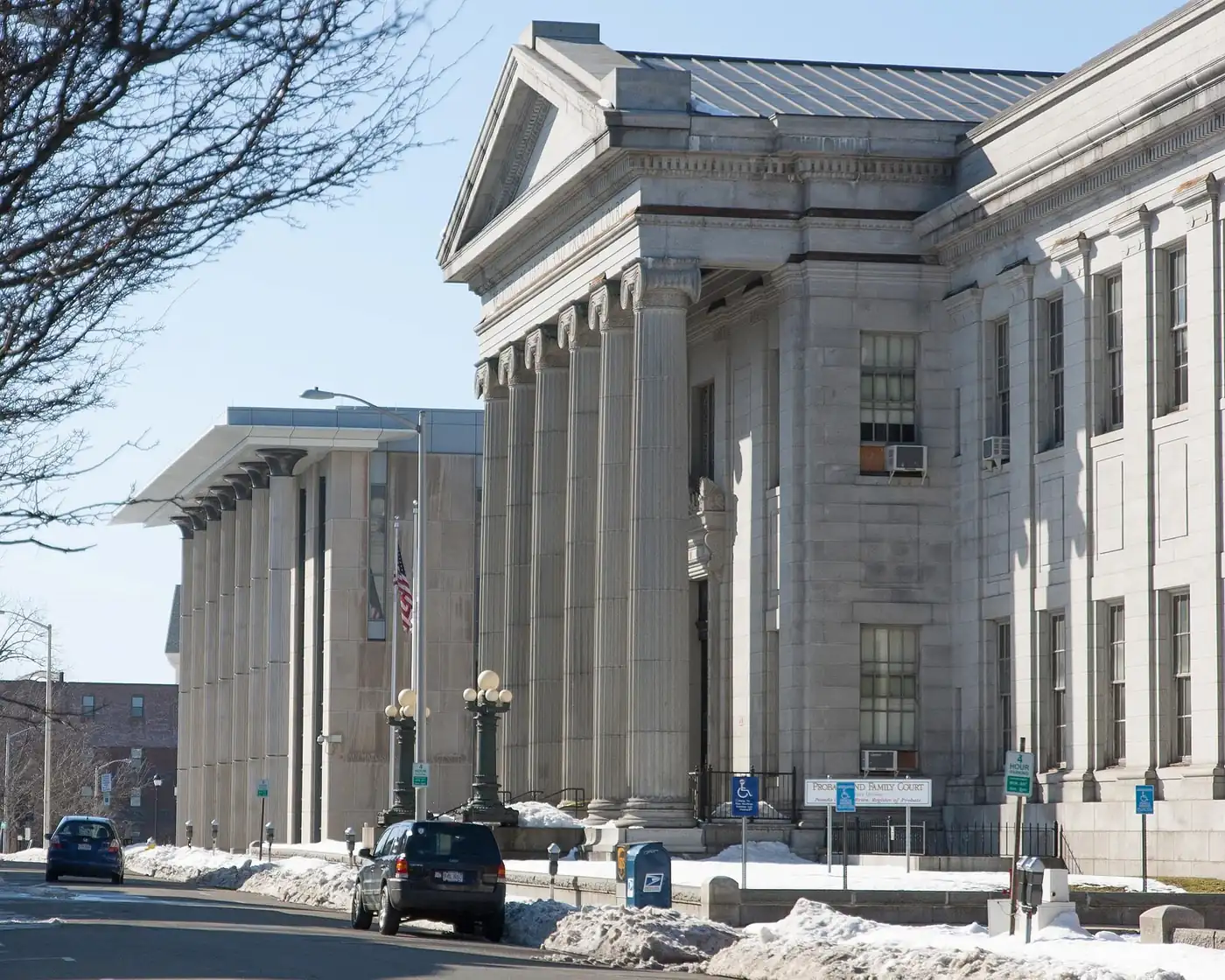
The Essex County Superior Court sits at 56 Federal Street in Salem and also at 43 Appleton Way in Lawrence (Salem, Lawrence). The Essex Probate and Family Court is at 36 Federal Street, Salem, and runs a virtual registry (Essex Probate and Family Court). A firm whose clients come from Haverhill and Andover as well as Marblehead writes its pages so that a reader can tell which building their case will reach.
Cape Ann clients search by town
Charges and small civil cases from Cape Ann are heard on Main Street in Gloucester, at number 197 (Gloucester District Court). This page's own Search Console data shows searches naming Gloucester next to searches naming the North Shore. A page that never says Gloucester gives neither Google nor an AI tool a reason to show it for a Gloucester search, so a Cape Ann practice names its town and Cape Ann on its pages and in its Business Profile, not only Essex County.
Estates, homes and elder law
An older, owner-occupied county produces probate, estate planning, elder law and real estate matters. These are the practices where a reader compares several firms over weeks and where AI tools are often asked to explain a process first, so North Shore estate pages should answer the procedural questions (what the Probate and Family Court needs, how long administration takes) before they sell anything.
For practices north of Boston: The free audit checks the town-name searches your clients use, not only the county-wide ones.
Request the auditDown the Northeast Corridor
The closest GLP city pages to Boston, and the national ones behind this page
GLP has no other New England city page, so the nearest markets we write for are a train ride away, each under its own state's rules. Firms with a second office in New York or Pennsylvania will find those markets covered separately, and every place we serve is listed on areas we serve.
Straight answers for Massachusetts managing partners
In short
GLP plans law firm SEO in Boston around a client base of students, clinicians and researchers, writes each practice page to the Massachusetts statute that governs it, and reads every claim against Rules 7.1 to 7.3 of the Massachusetts Rules of Professional Conduct.
Does GLP have anyone in Boston?
No. Nobody from GLP sits in Massachusetts; our people are in West Hollywood, California, on Pacific time. Each firm has one day-to-day contact, and SEO engagements include a monthly strategy call. That puts us three hours behind Boston. How we work walks through an engagement in order.
Our office is in Gloucester. Can a small Cape Ann firm show up when people ask an AI tool for a lawyer?
No one can promise that, but a Cape Ann practice can give those tools reasons to. The method is the same in Gloucester as on Beacon Hill; the inputs change. We work on the same signals for a Cape Ann office as for a downtown firm (pages that answer a question cleanly, a Business Profile that matches the site, consistent directory listings), but the questions its pages answer are its own: Gloucester District Court, Essex Probate and Family Court, the town names its clients type. The list of measurements we report, with what each one can and cannot show, is on our page about AI search for law firms.
Can a Massachusetts lawyer call themselves an SEO-friendly "specialist" or "expert" on a web page?
Massachusetts is more permissive than many states: the Commonwealth's rule accepts self-description as a specialist when it is accurate. Comment [9] adds a warning many firms skip: a lawyer who claims to be a specialist should expect to be held to a specialist's standard of performance. Claiming certification is stricter; the Rule 7.2 section above has the wording it requires. We use the word only where a lawyer's practice history supports it.
How is a Boston SEO engagement priced?
There is no price list. Pricing is a monthly retainer. We quote it once we have studied your practice areas, your competitors and your current site, and you get the scope in writing before signing anything. The six factors that move a quote, from the number of offices to the state of the current site, are explained on how we work. The audit that comes before any quote is free.
We use Clio Grow or HubSpot for intake. Can our marketing data reach the CRM?
Yes, and for a Boston firm that wants marketing and CRM integration it is part of the setup, not an extra. We send website inquiries straight into the CRM or to the intake team, track calls from day one, and tie each signed case back to the page or ad that produced it when the intake records allow. Firms that want case management, phones and intake in one view can look at our operational intelligence work, which connects systems such as Clio, Salesforce, HubSpot and CallRail.
Our site is dated. Can GLP rebuild it?
Yes, Boston partners who come to us for attorney website design get the search plan built into the site. A site we build ships with practice and location pages in a planned hierarchy, structured data, WCAG 2.2 AA accessibility and call tracking switched on at launch; two 2026 rebuilds with before-and-after page counts are on law firm website design. On a Massachusetts site, the footer of every page carries the name of a lawyer or the firm responsible for its content, which Rule 7.2(d) requires of every communication.
Our practice is criminal defense in Boston. Where would you begin?
By the court a client's case starts in. The Boston Municipal Court's Brighton Division covers Brighton and Allston, where many off-campus students live, while the Central Division takes downtown, Chinatown, the North End, the West End, the South End and Beacon Hill (Boston Municipal Court). A student charged after a night in Allston and a worker charged downtown are in different courthouses, and each gets a page that says what happens there. The national method sits on our criminal defense SEO page.
What should a Boston car accident page say that a national template leaves out?
The $2,000 line. Under G.L. c. 231, § 6D, a person hurt in a Massachusetts crash can recover for pain and suffering only if reasonable medical expenses exceed $2,000, unless the injury is a fracture, a death, serious and permanent disfigurement, loss of a body member or a listed loss of sight or hearing (G.L. c. 231, § 6D). Eight of the ten results for our "pip $2000 threshold" search were law firm pages, so this is a question firms can own. Comparative fault is the other one: under § 85, recovery survives as long as the injured person's negligence was not greater than that of the defendants combined.
Does a claim against Boston itself run on the same clock?
No, and injury pages should keep the two apart. Most tort suits in Massachusetts must be filed within three years of the date the claim accrues (G.L. c. 260, § 2A). A claim against a public employer such as a city has an extra step: under G.L. c. 258, § 4, the claim must first be presented in writing to the employer's executive officer within two years and finally denied before a lawsuit can be filed. A fall on a Boston sidewalk and a fall in a private store therefore start different clocks.
Do you work with mass tort firms in Massachusetts?
Yes, with two Massachusetts cautions built into the pages. Rule 7.3 bars live calls and video calls to people known to need help in a particular matter, and bars even letters, emails and texts to someone whose physical or emotional state rules out reasoned judgment; a person in active treatment for a traumatic injury is Comment [6]'s own example. And past settlements in an earlier tort need qualifying language under Rule 7.1 Comment [3]. Within those limits, product and drug pages work like any injury content, as set out under personal injury SEO.
Do you also manage Google Ads?
Yes. Paid search follows the same Massachusetts rules as the website: no unsubstantiated comparisons in a headline, and the responsible lawyer's or firm's name somewhere in the ad or its assets, as Rule 7.2(d) requires. Rule 7.2(b)(1) lets a firm pay for internet advertising, so the spend itself raises no issue. Account structure, Local Services Ads and who owns the account are covered on our law firm PPC page.
Does the work change for a firm in Worcester, Springfield or the Berkshires?
The rules don't: Rules 7.1 to 7.3 apply to every lawyer the Supreme Judicial Court admits, and Bar Counsel's office at One Beacon Street handles the whole Commonwealth. What changes is the court system around the office (each county has its own Superior Court and Probate and Family Court) and the firms competing for the same searches. For a Worcester or Springfield office we start again from that county's courts, census figures and searches.
Can we see GLP's results for a firm in Massachusetts?
No. Our published studies come from firms in California and British Columbia and from a bail bonds company; each one states its date range and data source, and all of them sit together on our case studies page, under the earnings disclaimer. Under Rule 7.1 Comment [3] a result elsewhere says nothing certain about a Boston market, so we would rather show you how we would plan your site than imply an outcome.
Can GLP promise our firm the top of Google in Boston?
No. Nobody outside Google controls rankings, and Google says that meeting all of its requirements still doesn't guarantee that a page will be crawled, indexed or shown (Google Search Central). What we commit to is what goes into your written plan: the pages, the fixes, the reporting and the dates.
Which Massachusetts searches pass your firm by?
Give us the firm's address and the cases your intake should be seeing more of. A real person checks how Google and ChatGPT answer for your practice in Boston or your county, and sends a video walkthrough within 48 hours.
Or call Call (661) 388-5526