
Rancho Cucamonga, CA: a west-end city full of real estate licenses
Lawyer SEO in Rancho Cucamonga, CA
Search work for firms whose clients close escrow for a living.
Rancho Cucamonga has about twice California's share of adults with a real estate license. Agents, brokers and the people who buy and sell through them bring commission fights, disclosure claims and license trouble to law firms. We build the pages those clients find.
Further down: the licensee count and where it comes from, a dated look at what the map shows agents who search for a lawyer, and the statutes behind commission, disclosure and license cases, each linked to its source. Crawling, site structure and other parts of SEO that don't change by city are on our law firm SEO page.
Free, done by a real person, and in your inbox within 48 hours.
Rancho Cucamonga, by license
Real estate licensees in Rancho Cucamonga, tallied from the licensing agency's list
California's Department of Real Estate posts a downloadable list of current broker and salesperson licenses, each with an address of record. We took the copy dated November 9, 2026 and tallied the licenses whose address reads Rancho Cucamonga, Alta Loma or Etiwanda, the three place names the city's mail uses. Each ledger entry below holds one number the page relies on, with a note on the right about what each means for a firm's website.
- 3,054
- broker and salesperson licenses at Rancho Cucamonga addresses: 600 brokers and 2,454 salespersons (DRE licensee file)
- A client group with its own statutes, its own regulator and its own vocabulary.
- 22.5
- licenses per 1,000 adults; California 12 (adults from ACS DP05)
- About one adult in 45 here holds a license, almost twice the state's rate.
- 18.3%
- of San Bernardino County's licenses, from a city with 8.3% of the county's adults
- The county's agents cluster in the west end; pages can say so.
- 10.9
- licenses for every payroll job in the county's agent and broker offices; California 6.5 (BLS QCEW 2024)
- Most licensees are paid by commission outside a payroll, so contractor law comes up.
- 0
- of 67 readable home pages from our survey listings named the Department of Real Estate
- The agent's side of the deal is close to unwritten on local firm home pages.
The engagement
GLP's engagement terms, written the way a listing agreement reads
A listing agreement names the services, the term and when the work is reviewed. Our engagement with a law firm reads the same way. None of its terms are local; what is local is what the pages discuss, and that tracks the licensees in the ledger.
| Term | What it covers | Reviewed |
|---|---|---|
| Audit | Website, Business Profile, competing firms and what AI tools report about you, recorded with narration, then a written plan. | At the start |
| Matter pages | A page per situation, such as an agent whose split is withheld or a buyer who found a defect after closing, drafted from the statute text and checked by your lawyer. | Monthly |
| Map listing | Categories, services, hours, real photos of a staffed office, and review requests made in ways Google permits. | Monthly |
| Site health | Phone load times, redirects, schema markup and internal links joining related matter pages. | Ongoing |
| AI answers | The way chat assistants and Google's AI summaries portray the practice, plus brief cited passages written for them to reuse. | Monthly |
| Reporting | Calls and consultations traced back to pages where your intake records allow it, then a strategy call. | Monthly |
The fee is monthly and is fixed only after the audit shows how much work the practices need; you read the agreement before you sign it. Search Console usually starts to show change within a season and more across a year, but placement belongs to Google, so our agreements carry no date for results.
See which firms an agent with an unpaid split finds before yours. Get My Free Audit
Licenses per adult
Licenses per thousand adults: Rancho Cucamonga beside its neighbors and the state
The count uses broker and salesperson licenses only, one per license number, with an address in California; corporation and officer records are left out. Each city's count is divided by its adults age 18 and over from the five-year ACS estimates covering 2020 through 2024 (DP05 for the city, for the county). Rancho Cucamonga has 3,054 licenses for 135,904 adults.
Where the city ranks in California
Of all California cities above 100,000 residents, only Carlsbad, Irvine, Temecula and Murrieta have a higher rate in the same count, and none of the other large cities in San Bernardino County comes near it. Chino Hills, smaller than 100,000, sits level with Rancho Cucamonga at 22.4, and Corona across the county line in Riverside County at 21.3. West-end firms are surrounded by licensees on every side, not by one cluster.
Addresses of record, not where deals happen
- Every licensee in the file has a single address. For some it is a home, for others a mailing address or a brokerage office, and the file doesn't say which. An office address in the city adds a license to our count even if the agent lives in Fontana.
- A license is not a job. Some holders sell many homes a year, others few or none; the file doesn't record activity.
- The adult figure comes from five years of pooled survey answers, so expect the rate to be near the truth rather than exact.
Brokers and salespersons in the mix
Of the city's licenses, 600 belong to brokers, 19.6%, against 23.6% statewide. The rest are salespersons, who by law can be paid for licensed work only through the broker they are licensed under, as the commission section explains. A local firm's likely client is therefore a salesperson with a dispute about money, or a small broker answerable for a team.


Licenses and payroll
Far more licenses than payroll jobs, which puts contractor law in play
Jobs under unemployment insurance are tallied by county and by industry in the Quarterly Census of Employment and Wages from the Bureau of Labor Statistics (QCEW overview). For offices of real estate agents and brokers, industry 531210, San Bernardino County averaged 1,532 jobs in 789 establishments in 2024. The same county has 16,730 broker and salesperson licenses in the DRE file. The chart divides one figure by the other for the counties around Rancho Cucamonga and for the state.
What the gap stands for
The two sources measure different things, so the ratio isn't a count of anyone. QCEW leaves out people paid only by commission outside a payroll, and many licensees work that way. The difference between counties is the useful part: in San Bernardino and Riverside counties far more of the licensed workforce sits outside any payroll than in Orange or Los Angeles County. That is the group whose status, pay and expenses turn on the Labor Code carve-out discussed below.
Lower pay where the payroll exists
Average annual pay for a payroll job in the county's agent and broker offices was $70,031 in 2024, against $108,822 statewide and $129,091 in Orange County. Pages for Inland Empire licensees should be written for people for whom an unpaid split or a lost deposit is a real share of the year's income.
Our survey, November 9, 2026
Agent-side searches on the map come back as general real estate firms
At 17:29 UTC on November 9, 2026, we sent twelve queries to the Places API text search, each weighted toward a circle of 20 kilometers centered on City Hall (API documentation). Six were what an agent, a broker or a disappointed buyer types: a lawyer for a real estate agent, a broker's attorney, a commission dispute, license defense, a disclosure lawsuit and contractor misclassification. Six were everyday practices for comparison. Each query returned as many as 20 places, and for every place with a website we downloaded its front page: 88 sites, of which 67 returned readable text.
The same firms under different words
For a real estate agent's lawyer, 15 of 20 places also appeared for the plain "real estate attorney" search, and so did 16 of the 20 for a commission dispute and 14 of the 20 for a disclosure lawsuit. License defense overlapped least, with 8. Across the five searches about agents and their deals, the map produced only 40 different offices. Google read "real estate" and answered with the general real estate firms near City Hall.
Brokerages answering a lawyer search
Among the places returned for "real estate agent lawyer", 5 of 20 were brokerages or individual agents, and so were 5 of 20 for "real estate broker attorney"; they were not law offices at all. An agent who wants legal help against a broker sees other brokers in the list. A law firm page that names the agent's problem in its title hands Google's map and the chat assistants a sharper match than the words "real estate" alone.
What the home pages said
Of the 67 readable home pages, 18 used the words "real estate", 7 mentioned agents, brokers or realtors, 6 mentioned commissions and 4 independent contractors or misclassification. None named the Department of Real Estate, and none mentioned buyer-broker agreements, the subject of a statute in force since January 2025.
Where this snapshot falls short
It ran once, from a single point, and looked no further than front pages. The Places API ranks results much as the map on a phone does but not identically, and a firm with strong inner pages on these subjects would not register in our count. We present it as a reason to look closer, not as a ranking of anyone.
Getting paid
Commission suits start with the license the agent has to plead
Most disputes an agent brings to a lawyer are about money already earned: a split the broker won't release, a referral fee that never arrived, a seller who closed with someone else. Three sections of the Business and Professions Code decide who can sue and through whom the money has to travel, and a page laying out them answers the agent's first question before the consultation.
-
No license at the time, no lawsuit
A person acting as a broker or salesperson can't bring or keep an action to collect compensation without alleging and proving a valid license when the claim arose (B&P Code § 10136). A lapsed renewal can sink an otherwise sound claim, which is why intake pages should ask for the license number first.
-
The broker sits between every payment
A salesperson may accept pay for licensed work only from the broker they are licensed under, and may pay another licensee only through that broker; licensees can agree to share a commission, provided it is paid through the responsible broker (§ 10137). The salesperson's claim usually runs against their own broker, not the client who paid.
-
Exclusive listings need an end date
The Commissioner can discipline a licensee who claims a commission under an exclusive agreement with no definite, specified termination date, or who takes undisclosed compensation (§ 10176(f) and (g)). Sellers' firms use the same text from the other side when a commission demand arrives.

Which building hears the case
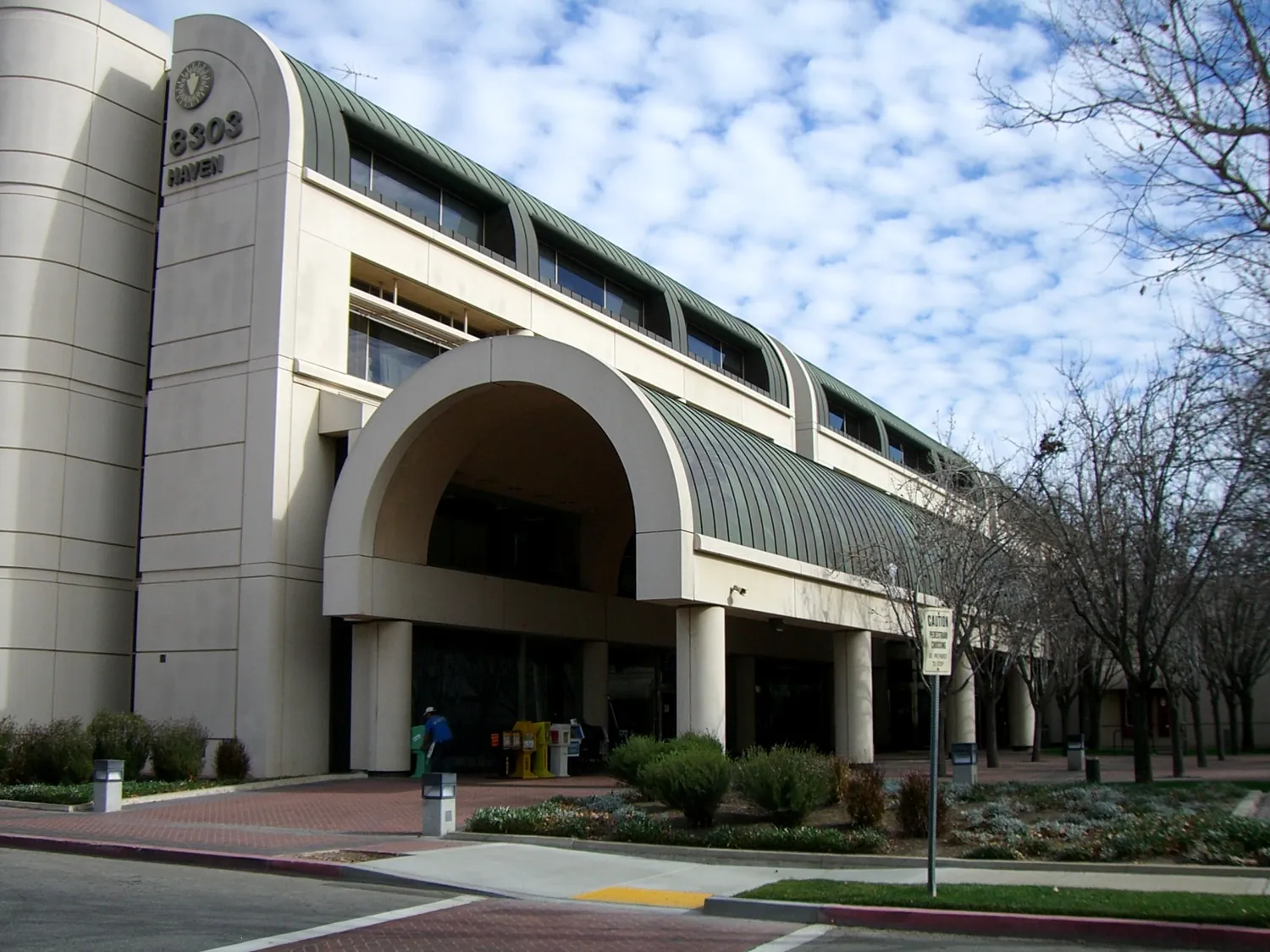
The court's filing guide lists civil cases, limited and unlimited, among the matters taken at the Rancho Cucamonga District courthouse, 8303 Haven Avenue,, for Alta Loma, Chino, Chino Hills, Montclair, unincorporated Mt. Baldy, parts of Pomona, Rancho Cucamonga and Upland. The civil division at the San Bernardino Justice Center accepts civil filings for a longer list that also names Rancho Cucamonga (Where can I file?). A page can point to the guide; the clerk confirms the building.
Writing for the agent who is owed money
Agents put the problem in their own words: "my broker won't pay my split", "commission after I left the brokerage", "referral fee never paid". Those phrases belong in titles and the first paragraph. The statutes come next, in plain language, then what the firm needs to see: the independent contractor agreement, the commission schedule, the settlement statement and the license's issue and renewal dates.
Employee or contractor
Real estate licensees sit outside the ABC test, under a carve-out of their own
California's general test for independent contractors, the one built on the Dynamex decision, leaves real estate licensees out. Labor Code section 2778(c)(1) sends the question to subdivision (b) of Business and Professions Code section 10032; where that section doesn't apply, unemployment insurance follows section 650 of the Unemployment Insurance Code, workers' compensation follows section 3200 and the following sections of the Labor Code, and every other Labor Code purpose follows the older Borello test. The broker's statutory supervision duties are not factors under Borello (Lab. Code § 2778(c)(1)).
Between broker and agent
They may contract as independent contractors or as employer and employee, for their obligations to each other (B&P § 10032(b)).
Toward the public
The broker's and salesperson's duties to the public apply whichever label they chose (§ 10032(a)).
For wage and benefit claims
Unemployment, workers' compensation and other Labor Code questions follow the statutes and tests that § 2778(c)(1) names.
Why the west end needs this page
The payroll gap above means most licensees in the county are paid outside a payroll. When a brokerage closes, cuts splits or charges desk fees, the agent's first search is whether they were really a contractor. An employment practice whose pages cover only the ABC test sends that reader the wrong answer; a page built on section 2778(c)(1) gives the right one.
Appeals from the Labor Commissioner, close to home
The same filing guide lists Labor Board appeals among the matters the Haven Avenue Civil Division accepts. A wage claim that an agent files with the Labor Commissioner and later appeals can therefore end up a few miles from the brokerage. A page can say that and link the guide, without predicting where a given case will be heard.
Brokers read these pages too
For a practice that counsels brokerages, the statute supports another page entirely: what an independent contractor agreement should say, which duties the broker keeps regardless, and how the label affects unemployment and workers' compensation. Two audiences, one statute, two pages that link to each other.
Since January 1, 2025
Buyer-broker agreements now run three months at a time
Civil Code section 1670.50, added by AB 2992 and in effect since January 1, 2025, requires a written buyer-broker representation agreement between a buyer's agent and the buyer, signed early in the relationship and in any case by the time the buyer makes an offer. The agreement must cover the broker's compensation, the services, when compensation is due and how the contract ends, and the agency disclosure form has to reach the buyer before signing (Civ. Code § 1670.50).
Time limits a home purchase sets running
Days after each trigger; labels mark the limits set by statute
-
Buyer-broker agreement (Civ. Code § 1670.50)
- Day 0Signed no later than the buyer's offer, after the agency disclosure form
- 3 monthsLongest term allowed for an individual buyer; a renewal must be written, dated and signed
-
Claim over the agent's inspection (Civ. Code §§ 2079, 2079.4)
- Day 0Possession: recording, close of escrow or move-in, whichever comes first
- 2 yearsOuter limit for a suit over the visual inspection duty
-
Broker's transaction file (B&P Code § 10148)
- Day 0Closing, or the listing date if the sale never closes
- 3 yearsCopies of listings, deposit receipts, checks and trust records kept until here
Use the arrow keys to read each date.
| Rule | Day | What happens |
|---|---|---|
| Buyer-broker agreement (Civ. Code § 1670.50) | 0 | Signed no later than the buyer's offer, after the agency disclosure form |
| Buyer-broker agreement (Civ. Code § 1670.50) | 3 months | Longest term allowed for an individual buyer; a renewal must be written, dated and signed |
| Claim over the agent's inspection (Civ. Code §§ 2079, 2079.4) | 0 | Possession: recording, close of escrow or move-in, whichever comes first |
| Claim over the agent's inspection (Civ. Code §§ 2079, 2079.4) | 2 years | Outer limit for a suit over the visual inspection duty |
| Broker's transaction file (B&P Code § 10148) | 0 | Closing, or the listing date if the sale never closes |
| Broker's transaction file (B&P Code § 10148) | 3 years | Copies of listings, deposit receipts, checks and trust records kept until here |
Sources: Civil Code §§ 1670.50, 2079, 2079.4; Business and Professions Code § 10148; text checked at leginfo on November 9, 2026. Exceptions within each section are omitted here.
A term limit, no automatic renewal, and a void contract if broken
For an individual buyer the agreement can't last longer than three months from signing, and it can't renew itself; a renewal must be written, dated and signed by everyone, and it too is capped at three months. An agreement made in violation of those rules is void and unenforceable, and a licensee who breaks the section is treated as having violated their licensing law. Agreements with a corporation, limited liability company or partnership are outside the three-month limit.
Buyers and agents who look the section up
Buyers search when an agent asks for a fee they didn't expect, or after the house they wanted was bought with a different agent. Agents search when a buyer walks away before closing. Both are asking whether the paper they signed holds. A firm can publish one plain explanation of the section and two short pages that apply it to each side.
Keeping the page accurate as forms change
Trade associations revise their standard forms more often than the statute changes. A page should quote the Civil Code and describe what any agreement must contain, rather than reproduce a form's paragraph numbers that may be renumbered next year.
After closing
The agent's walk-through duty and its two-year limit
For homes of one to four units and manufactured homes, the listing agent and any agent cooperating with them owe a prospective buyer a reasonably competent and diligent visual inspection of the property, and must disclose the facts materially affecting its value or desirability that the inspection would reveal (Civ. Code § 2079). A buyer suing over that duty gets two years from possession, counted from recording, close of escrow or occupancy, whichever comes first (§ 2079.4).
The seller's statement is a separate obligation
The seller's transfer disclosure rules apply to sales, exchanges, installment contracts, leases with an option to buy and several other transfers of single-family residential property, and any waiver of them is void (Civ. Code § 1102). A buyer who finds a leaking roof after closing may have a claim against the seller, against an agent, or both, on different facts and under different time limits.
A page per defendant, not per defect
Firms often publish pages by defect: roofs, foundations, mold. Buyers rarely know which defect matters legally; they know who they dealt with. Pages titled "when the seller's agent should have seen it" and "what the seller had to disclose" get the buyer to the correct claim sooner, and the defect pages can link to both.
Defense pages use the same text
A firm that defends agents can write from the opposite end of section 2079.4: what counts as possession, why the two years can start earlier than closing day, and why the duty covers what a visual inspection would reveal rather than every hidden defect. Its reader is an agent holding a fresh demand letter.
Who represents whom
Dual agency belongs on the confirmation form, after a disclosure that comes first
California prescribes the wording of the agency disclosure an agent hands out, and the form sets out the duties of a seller's agent, a buyer's agent and a dual agent (Civ. Code § 2079.16). Early in the deal, each agent has to state whether it represents one party or both, and the relationship is confirmed in the purchase contract or a separate signed writing, in a form the statute prints (§ 2079.17). Acting for more than one party without the knowledge or consent of all of them is a ground for discipline (B&P § 10176(d)).
| Role on the form | Duty the form describes | Page a firm can build |
|---|---|---|
| Seller's agent | Fiduciary duty of utmost care, integrity, honesty and loyalty to the seller; honest dealing and disclosure of known material facts to both sides. | For sellers whose agent steered the price or the buyer. |
| Buyer's agent | The same fiduciary duty, owed to the buyer, with the same duties to both parties. | For buyers who learned their agent had another interest. |
| Dual agent | Duties to both parties at once, with limits on sharing one side's confidential information with the other. | For either side when the confirmation was missing or unclear. |
Where confusion starts
The statute defines a dual agent as one acting for both seller and buyer either directly or through a salesperson or broker associate (§ 2079.13(d)). So two salespersons of one brokerage on opposite sides can leave their broker a dual agent while each client believes they have their own representative. Readers learn that from a page whose author has worked through the definitions, not from a glossary.
Quoting the form without copying it
The disclosure text is set by statute, so a page may quote it. A useful page adds what the form doesn't: when in the deal each signature should appear, and what to look for if the confirmation is blank.
Money held for others
Trust accounts and the three-year file: what a broker audit examines
A broker who accepts other people's money in a transaction must deposit what isn't placed straight into a neutral escrow or handed to the principal into a trust account at a bank in California, and keep it there until disbursed on the instructions of the person entitled to it. Withdrawals need the broker's signature or that of a person the broker has authorized in writing; an unlicensed employee may sign only if a fidelity bond or insurance covers the maximum trust funds they can reach (B&P § 10145).
Records the Commissioner can ask for
Brokers keep copies of listings, deposit receipts, canceled checks, trust records and other transaction documents for three years from closing, or from the listing date if the deal fails. After notice the Commissioner may examine them, and on sufficient cause audit them without further notice; a broker found in a final order or decision to have violated the trust rules is charged the cost of the audit (§ 10148).
Pages for the small brokerage
Some of the city's 600 brokers run an office of their own and keep its books themselves. Pages that explain the trust account in their words, such as "can my office manager sign trust checks", reach them before an audit letter does. Brokers who collect rents as property managers hold other people's money too, and search in much the same words.
Commingling as a disciplinary ground
Mixing clients' money with the broker's own is listed among the grounds for suspension or revocation (§ 10176(e)). A defense firm's page can explain how an audit finding can turn into an accusation, and what records help answer it.
The regulator
When the Real Estate Commissioner investigates a licensee in the west end
The Commissioner may investigate any licensee on the Commissioner's own motion and must investigate on a person's verified written complaint (B&P § 10176). The grounds for suspending or revoking a license are spread across two sections; the ones a local firm meets most often are listed below. The Department publishes past orders on its disciplinary actions page.
- Misrepresentation and false promises in a transaction (§ 10176(a), (b)).
- Undisclosed compensation or profit hidden from the buyer or seller (§ 10176(g)).
- A conviction for a felony or a crime substantially related to the license (§ 10177(b)).
- Negligence or incompetence in licensed work (§ 10177(g)).
- Failure to supervise salespersons, for brokers and designated officers (§ 10177(h)).
- Misuse of the word "realtor" or a trade group's insignia by a non-member (§ 10177(e)).
The broker's exposure for the team
Because supervision is its own ground, a complaint about a salesperson often names the broker too. Firms that represent brokerages can write about supervision policies and the three-hour course in office management and supervision that brokers complete for each renewal (§ 10170.5(a)(7)), so that the page has value before anything goes wrong.
A criminal case with a second consequence
A criminal defense firm whose client holds a real estate license has a second audience for its pages: the client's worry is the license as much as the sentence. A short page explaining that a plea can be a ground under section 10177(b) even when probation is granted, reviewed by the firm's lawyer, answers a question that defense pages rarely raise.
What this page leaves to others
How the administrative hearing itself works, from the accusation to the proposed decision, is the same for many California licenses and is not repeated here. Here the focus remains on what only real estate brings: the grounds, the broker's supervision duty and the money rules that lead to audits.
When a judgment goes unpaid
The Consumer Recovery Account pays only after a judgment and within caps
A person with a final judgment, or a confirmed arbitration award with findings, against a licensee for fraud, misrepresentation, deceit made with intent to defraud, or conversion of trust funds, arising from licensed work, may apply to the Department for payment of the unpaid part that is an actual and direct loss (B&P § 10471). For applications filed on or after January 1, 2009, the account's ceiling is $50,000 per transaction and $250,000 per licensee (§ 10474(b)). The Department describes the process on its Consumer Recovery Account page.
A plaintiff firm's reason to cover the account
Buyers and sellers who were defrauded worry first about collecting. A page laying out the account, with its conditions stated before its benefits, tells them a judgment against an agent with few assets is not necessarily worthless, without suggesting that payment is assured.
How the caps shape the pleading
Because the account looks for fraud, misrepresentation, deceit or conversion of trust funds, the way a complaint is framed matters later. That judgment belongs to the firm's lawyers; all a page can do is suggest the reader talk to counsel soon.

How agents advertise
Team names, license numbers and yard signs under the Real Estate Law
Agents face their own advertising rules, and firms that counsel brokerages get questions about them. Solicitation materials meant as the first point of contact with consumers, and purchase agreements, must show the licensee's name, license number, the responsible broker's identity and, for a mortgage loan originator, the NMLS identifier (B&P § 10140.6(b)(1)).
When a name counts as a team name
A team name is a brand a salesperson shares with at least one other licensee. It needs no separate license when two or more licensees use it together, it includes the surname of at least one member with "associates", "group" or "team", and it avoids words such as "broker" or "brokerage" that suggest a separate brokerage (§ 10159.7(a)(3)).
What has to appear next to it
Advertising with a team name, including "for sale" signs, must display the team name together with at least one member's name and license number, conspicuously, display the responsible broker's identity as prominently as the team name, and avoid implying an entity independent of that broker (§ 10159.6).
Turning the rules into pages
Lawyers who advise brokerages can post a short checklist for team signs and social posts, linked to the statute. It is low-effort content, it is searched by exactly the agents a firm wants as clients, and it shows the firm reads the Real Estate Law closely.
Search Console, sixteen months to November 8, 2026
Queries that brought this URL into Google results, quoted word for word, no counts
GLP's Search Console account recorded these queries for this URL between July 9, 2025 and November 8, 2026. Only the wording is reproduced. Nearly all of them name a provider and a place rather than a practice, which says who reaches this page: firms shopping for a marketing vendor, not clients shopping for counsel.
Company and agency wording
- seo company rancho cucamonga
- rancho cucamonga seo company
- seo agency rancho cucamonga
- rancho cucamonga ca seo agency
- search engine optimization rancho cucamonga
- seo optimization rancho cucamonga
The engagement terms near the top answer these; price and timing come up in the FAQ.
Searches that say "law firm"
- law firm seo company rancho cucamonga ca
- law firm marketing in rancho cucamonga ca
- legal marketing agency rancho cucamonga ca
- website design for lawyer rancho cucamonga
Website design gets its own answer below; broader marketing help is the Consulting CMO service.
"Near" and "local" searches
- local seo service rancho cucamonga
- seo agency near rancho cucamonga ca
- seo services near rancho cucamonga ca
- seo marketing near rancho cucamonga ca
GLP isn't near; the limits section is open about it and says what local SEO means for your own listing.
Other places, other needs
- san bernardino law firm seo
- lemon law lawyer in rancho cucamonga
- business attorneys rancho cucamonga
- rancho san diego seo
- seo services rancho santa fe
- seo company clear lake city tx
A few belong to our other city pages; anyone hunting for a lawyer needs a different site.
The words a firm's own pages should attract instead
None of these queries names a practice or a problem. That is normal for an agency page and the opposite of what a firm's matter pages should draw: searches like the agent-side ones in our survey, which name the reader's situation. "business attorneys rancho cucamonga" is the single query here typed by a person who wants legal help, the sort a brokerage owner might enter.
Market and limits
West-end firms competing for agents' cases, and the limits of what GLP offers them
Of the 93 distinct places in our survey, 77 gave a Rancho Cucamonga address and 12 an Ontario one; the map stays inside the west end for every practice we tested. Competition for "real estate attorney" is local and real. Competition for the agent's side of the deal, judging by the front pages we managed to read, is thin.
- No Inland Empire office. Our base is West Hollywood; west-end clients see us on screen.
- No legal advice. Statute explainers stay in draft until your firm's counsel approves the wording.
- No promised rankings. Google sets placement, and on the map the office address carries great weight.
- No virtual offices or bought reviews. Google expects a listing at a place where staff work (Business Profile guidelines).
- No referral pipeline from brokerages. We have no arrangements with local brokers or trade groups to offer you.
- No unsourced figures. Any number on a client page carries a link to its publisher.
State Bar rules for every page we draft
Whatever we draft for a west-end firm also has to satisfy California's lawyer advertising rules. We keep our reading of those rules on a single page, the Los Angeles page's rules section, so city pages don't repeat it.
Where to read next
Writing matter pages: web content for lawyers. Map listings: local SEO services. Employment and contractor questions: SEO for employment lawyers. How AI tools pick sources: our GEO guide. Paid search: law firm PPC. Neighboring markets: Ontario and San Bernardino.
Nearby
Across Fourth Street, east on the 210 and south over the county line
These are the GLP pages closest to the west end. Ontario, just south of Rancho Cucamonga, is about homes that hold more people than rooms and the legal questions a crowded house raises. San Bernardino, the county seat to the east, is written for firms whose clients are families with children at home. Riverside, across the county line to the south, follows the cases waiting in a superior court that is short of judges.
Questions Rancho Cucamonga firms raise about agent-side pages and the audit
If yours isn't here, bring it to the optional call that follows the free audit.
In short
Rancho Cucamonga has close to twice the state's share of real estate licensees per adult, and the county's payroll counts far fewer brokerage jobs than licenses. Our plan is written for the firms those agents and brokers call: a dated map survey of the legal searches they run, then pages on commissions, contractor status, buyer-broker agreements, inspection duties, agency confirmation, trust accounts, discipline, the Consumer Recovery Account and team-name advertising.
Does GLP send people to offices near Haven Avenue?
Rarely. We are based in West Hollywood, and Inland Empire firms usually see us on a screen or hear us on the phone. Distance doesn't thin the research: every licensee figure, the courthouse filing list and each statute cited here came from the agency that publishes it, and your firm's pages get the same treatment.
Can pages written for real estate agents sit on our site without making us look like a brokerage?
Yes, if each page starts from the agent's legal problem rather than from the market. A page titled for an agent whose broker is holding back a split reads as legal help; a page about "selling your home in Alta Loma" reads as a listing. We write the first kind, with your lawyer's review, and link it to your practice pages so readers and search engines see a law firm.
We defend licensees before the Department of Real Estate. Won't those pages also draw consumers who want to file a complaint?
Some will, and it can be handled. The opening lines can say the page is written for licensees and point anyone who wants to complain to the Department's own complaint process. The phrasing of the title does most of the sorting: "accusation from the Real Estate Commissioner" is typed by agents, while "report a realtor" is typed by their customers.
Our firm sues for buyers after a sale goes wrong. Should those pages talk about the agent or the seller?
Both, on separate pages. The seller's disclosure statement and the agent's inspection duty are distinct obligations with distinct limits, explained in the inspection section above, and buyers seldom know which one fits their problem. A page for each, linked to each other, answers the question the buyer actually has.
Your survey found no home page naming the Department of Real Estate. Does that mean no local lawyer handles these cases?
No. Our reading stopped at the home page, and a firm may have good inner pages on commissions or license defense that the count missed. The finding is narrower: Google's map answered agent-side searches with general real estate firms, and the first page a visitor lands on rarely mentions the agent's side of the deal.
What decides the monthly price for a west-end San Bernardino County firm?
We settle it after the audit. It turns on the number of practices covered, the competition each meets around Rancho Cucamonga, and whether ads or intake are included, and it goes into an agreement you read in full first. For a wider marketing role, see our Consulting CMO service.
Will the free audit check how our firm appears when an agent looks for help with an unpaid commission?
Yes, if that is the practice you pick. A person on our staff records a narrated walk-through, usually within two days, that searches the way an agent with a withheld split would, names the firms Google shows ahead of yours, looks over your website and your Google listing, and records how AI chat answers currently summarize your practice. There is no fee and no commitment; ask for it here.
How long before a new commission-dispute or license-defense page earns impressions?
A narrow topic with few competing pages may register sooner than a broad one such as "real estate attorney", which can take a year or more. Google decides placement, so we don't promise a date; you can open the Search Console reports we use and watch impressions arrive page by page.
A lemon law search appears among this page's queries. Do you take on lemon law firms here?
Yes. "lemon law lawyer in rancho cucamonga" appears among the queries for this URL, so local drivers do add the city's name. California's lemon law is the same everywhere; a city page tells those drivers your office takes Inland Empire cases. Read about SEO for lemon law practices and what we did for Cali Lemon Lawyers.
Can GLP rebuild our website so each real estate matter gets its own page?
Yes, and a rebuild is the cheapest moment to do it, because the new URLs can be planned once. Search Console lists "website design for lawyer rancho cucamonga" for this URL. Commission disputes, disclosure claims, agency questions and license defense each deserve a separate address instead of one paragraph on a practice list. Our website design service for law firms explains the process.
We run a brokerage, not a law practice. Will GLP take us on?
Our client list is made of law firms and our methods are built for them, but plain searches like "seo company rancho cucamonga" bring brokers, contractors and clinics to this page too. Request the audit anyway and describe the business. If another kind of agency would serve you better, we will tell you that instead of selling you something.
Searches for Rancho San Diego and Rancho Santa Fe land here. Are they part of what you cover?
They are separate communities in San Diego County, not parts of Rancho Cucamonga. Search engines match the word "Rancho". For firms down there, go to the San Diego page.
Can a page explain the Consumer Recovery Account without suggesting a client will be paid?
It must. Payment comes only after a final judgment or a confirmed arbitration award for fraud, misrepresentation, deceit or conversion of trust funds, and within caps per transaction and per licensee. Put the conditions at the top and the application steps after them, and the reader is informed without being promised anything.
Find out what an agent sees when they search for a lawyer like you
Name one practice to start with. Within two days a person on our staff sends a narrated recording of your website, your map listing and what the AI tools say about your firm.
Or call Call (661) 388-5526