
01
A recorded search walkthrough
Within two days, a screen capture with our voice over it, searching the way district families and shop owners do and showing which results name your firm.
Anaheim and Little Arabia
Lawyer SEO for Anaheim firms, planned around Little Arabia and the families it serves.
Anaheim is home to Little Arabia, the stretch of Brookhurst Street the city recognized as its first cultural district. We map out Google and AI visibility for the firms Arab American families and district shop owners turn to.
This page covers local SEO, legal marketing and site builds for Anaheim law offices, with research focused on Little Arabia on Brookhurst Street and at the legal questions Arab American households bring to family, estate, employment and business lawyers. Our method for firms in general, the part that doesn't change with geography, is on the law firm SEO page.
Free, done by a real person, and in your inbox within 48 hours.
Who the page is for
In 2022 the Anaheim City Council voted to recognize Little Arabia as the city's first cultural district. The city describes it as more than 70 Middle Eastern and North African restaurants, cafes, boutiques, salons and other businesses along Brookhurst Street in west Anaheim, running roughly from Lincoln Avenue to Ball Road, and calls it the largest single concentration of Arab American businesses in Southern California. Freeway signs reading "Little Arabia Next Exit" were unveiled in September 2024 for the Brookhurst exits on the 91 and the 5 (City of Anaheim, September 19, 2024).
The same release traces the district's history: the first businesses opened in the 1980s, when the area saw arrivals from Egypt, Lebanon and Palestine, followed later by families from Jordan, Syria, Morocco and elsewhere in the Arab world, and a further wave in the 2000s. The city notes that Afghan and Turkish residents, while not Arab American, are part of Little Arabia too. Anaheim's recognition was the first in the country for an Arab American enclave.
Sources: American Community Survey 2020-2024, B04006 (ancestry); City of Anaheim news release, September 19, 2024.
The chart is the reason this page treats Little Arabia as a destination rather than a residential enclave. ZIP 92804, which holds most of the district's blocks, has 1,463 residents reporting Arab ancestry, about the city's average share. The higher shares are in the Anaheim Hills ZIP codes and in Irvine, where 9,831 residents report Arab ancestry (ACS B04006 by ZIP; Anaheim). Families drive to Brookhurst to shop, eat, attend services and meet relatives. The practical upshot for a firm: the district works as a meeting point, the audience lives all over the county, and pages must reach readers who drive in from twenty minutes away.
Ancestry is self-reported, and the survey asks no question about religion, so the table can't say who is Muslim, Christian or neither. Many Arab Americans are Christian; many Muslim residents of Orange County trace their families to South Asia, Afghanistan, Iran or Turkey, which this table counts elsewhere or not at all. People who write "American" or skip the question disappear from it. We use these numbers for one decision only, where an Anaheim firm's district-focused pages should point, and we never use them to describe a person.
The engagement
Owners who type "law firm seo company anaheim ca", "anaheim local seo agency" or "legal marketing agency anaheim ca" expect a clear list of deliverables and dates. The pieces below arrive in this order, and the district research runs through each one.
01
Within two days, a screen capture with our voice over it, searching the way district families and shop owners do and showing which results name your firm.
02
Practices worth a page, each matched to the statute or decision it will cite, ordered by the value of a typical matter and by how crowded each search already is.
03
Indexing, speed and mobile faults fixed before new content goes up; a rebuild only when the old site can't hold the new pages.
04
Pages on contracts, wills, workplace rights and business rules, opening with the legal answer and each cleared in writing by a firm lawyer before it goes up.
05
Business Profile services, description and review requests, plus the cited pages AI tools quote for questions about a dowry clause or a halal claim.
06
Phone leads and form entries tied to their source pages, then to the matters intake actually opens.
The audit adds questions a generic one would skip. Does the firm's profile describe the district in its services and description rather than stuffing it into the name? Do the family pages say what California does with a religious marriage contract, or only that the firm "understands the culture"? Does any page describe a client's matter closely enough to identify them in a community where people know each other? Each check traces back to a statute, a decision or a profile rule covered further down.
Order the free audit, naming the neighborhoods where your clients live; we record the walkthrough from those areas.
A local record
Two of the California appellate decisions most often cited on religious marriage contracts began as Orange County divorces. One U.S. Supreme Court decision changed what an employer must show before refusing a religious accommodation. And the city's own votes turned a commercial strip into a named place on freeway signs. Side by side, these dates explain why an Anaheim firm can write on these subjects with local authority.
Court decisions and city actions behind this page
Years shown on a shared axis; each point is dated in the source cited for its lane
Little Arabia on Brookhurst Street (City of Anaheim)
Religious marriage contracts in Orange County divorces (Cal. Ct. App.)
Religious accommodation at work (U.S. Supreme Court)
Use the arrow keys to read each date.
| Rule | Day | What happens |
|---|---|---|
| Little Arabia on Brookhurst Street (City of Anaheim) | 1980s | First businesses open |
| Little Arabia on Brookhurst Street (City of Anaheim) | 2022 | First cultural district |
| Little Arabia on Brookhurst Street (City of Anaheim) | 2024 | Freeway signs unveiled |
| Religious marriage contracts in Orange County divorces (Cal. Ct. App.) | 1988 | Dajani: dowry clause |
| Religious marriage contracts in Orange County divorces (Cal. Ct. App.) | 2001 | Shaban: certificate, not a prenup |
| Religious accommodation at work (U.S. Supreme Court) | 2023 | Groff v. DeJoy |
Sources: City of Anaheim news release, September 19, 2024; In re Marriage of Dajani (1988) 204 Cal.App.3d 1387; In re Marriage of Shaban (2001) 88 Cal.App.4th 398; Groff v. DeJoy (2023) No. 22-174, U.S. Supreme Court.
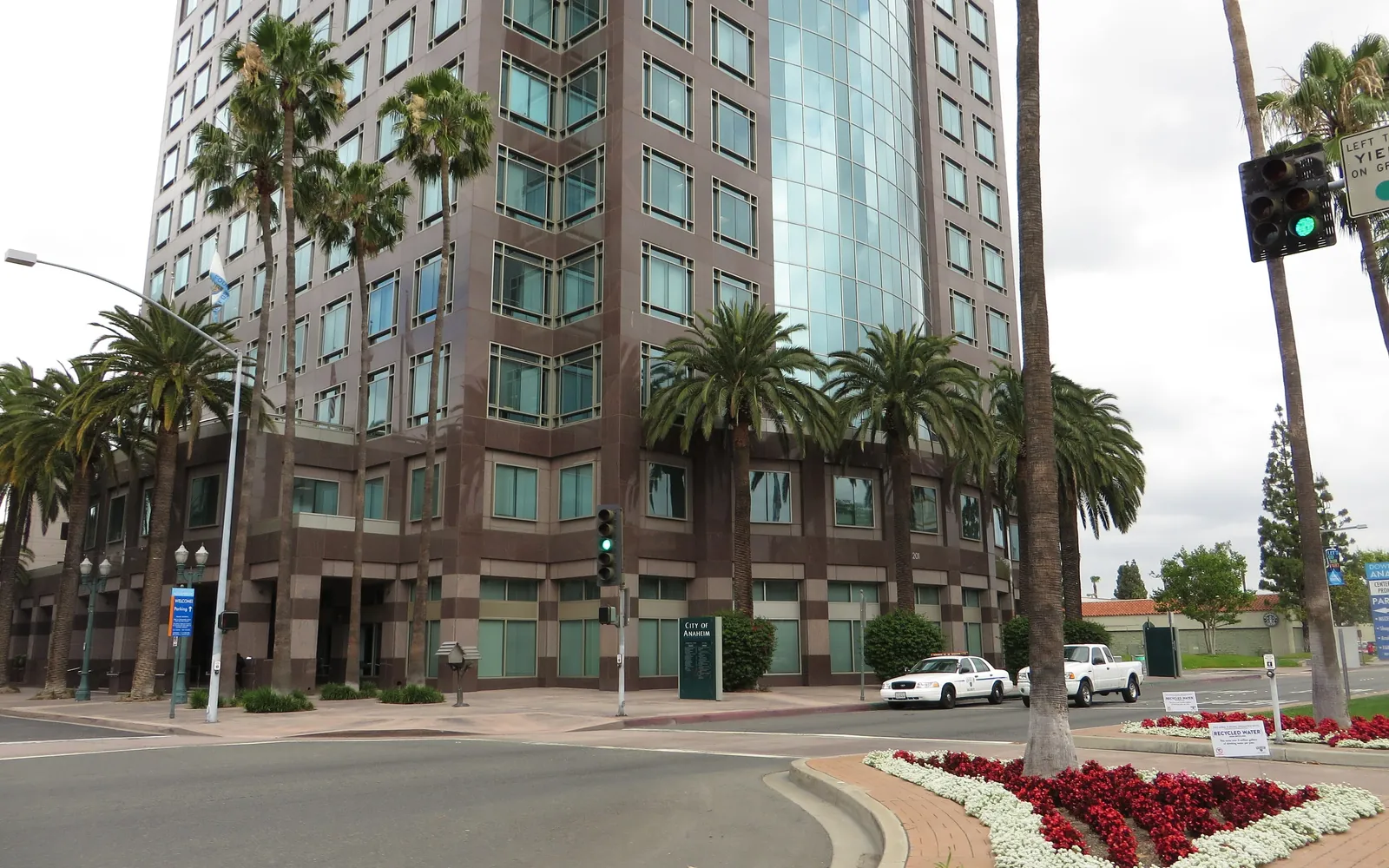
Once a neighborhood name goes up on a freeway sign, people start typing it into search bars: restaurants in Little Arabia, parking in Little Arabia, a lawyer near Little Arabia. Our survey below shows how little the map currently does with that last search. The city also reports that recommendations for expanding Little Arabia and the rest of Brookhurst were studied in 2023 as part of the Brookhurst Corridor Study, with improvements expected over the coming years (City of Anaheim). Business-law firms have cause to follow the corridor's leases and permits as that work proceeds.
Both appellate decisions describe couples who lived in Orange County and divorced in its Superior Court. Telling a reader "this question was decided on facts much like yours, in this county" carries more weight than one that cites an out-of-state ruling, and it is a sentence only an Orange County firm can write.
Family law
Many couples married under Islamic law, and some married in Christian or Jewish traditions, hold a written contract from the wedding that names a sum payable to the wife, often split into an amount paid at the ceremony and a deferred amount due on divorce or death. Arabic speakers call it the mahr. When such a couple divorces in California, the question for the court isn't what the religion requires. It is whether the document is an enforceable contract under California law. Two Orange County cases show how that question has been answered.
Dajani, 1988
A couple married by proxy in Jordan in 1982, then joined each other in Orange County. At trial the wife testified that the contract called for a dowry of 3,000 Jordanian dinars plus 2,000 more in cash or furniture, payable on divorce or the husband's death. The appellate panel ruled that a clause paying the wife only if the marriage ended was designed to facilitate divorce and could not be enforced by a California court, relying on earlier decisions about agreements that promote divorce (In re Marriage of Dajani, 204 Cal.App.3d 1387).
Shaban, 2001
A couple married in Egypt in 1974 and dissolved their marriage in Orange County Superior Court in 1998. The husband argued that the one-page Arabic marriage document was a premarital agreement placing their property under Islamic law, which would have kept his medical practice and retirement accounts as his separate property. The opinion concludes that a writing whose only substantive term is that the marriage follows "Islamic law" is too uncertain to satisfy the statute of frauds, and that a witness on Islamic law could not be used to supply the missing terms. California community property law governed (In re Marriage of Shaban, 88 Cal.App.4th 398).
The statute today
Family Code 1611 requires a written premarital agreement signed by both spouses-to-be (Family Code 1611). It may cover property rights and "the disposition of property upon separation, marital dissolution, death," and other matters not against public policy (Family Code 1612). It can be set aside if it was not signed voluntarily or if it was unconscionable and signed without fair disclosure, with added conditions for agreements signed without independent counsel (Family Code 1615).
The Dajani court treated the deferred dowry as a payment that came due only when the marriage ended. Courts in other states have handled similar contracts differently, and California's Uniform Premarital Agreement Act governs premarital agreements signed from 1986 onward (Family Code 1601), years after the Dajani couple's 1982 contract. That is exactly why a firm page shouldn't announce that "California doesn't enforce the mahr". The accurate statement is narrower: the outcome turns on how the document is written, when it was signed, what it says about divorce and whether it meets the premarital agreement rules.
Shaban's lesson for readers is practical. A marriage certificate issued abroad proves a marriage; it rarely sets out property terms in the detail California requires. Couples who want their religious expectations honored in a California divorce can sign a premarital or marital agreement that states those terms in plain words, with each side advised by counsel. That is a service a family firm can offer, and a page explaining why it matters is one district families have reason to read before a wedding, not after a separation.
We avoid writing that any religious law "applies" or "doesn't apply" in a California court, because neither statement is right as a rule. We write that California law decides, and that a religious document is read as evidence and as a possible contract under that law. The difference matters to readers who fear the court will ignore their faith and to readers who hope it will enforce one spouse's reading of it.
Family law
A religious ceremony performed in Anaheim does not, on its own, create a California marriage. The Family Code says consent alone does not make a marriage; it must be followed by the issuance of a license and solemnization as the code authorizes, with narrow exceptions (Family Code 300). Couples who held a nikah at a mosque or a church service without filing a license sometimes learn this only when the relationship ends or a spouse dies.
A marriage entered into in another country that is good under that country's law is good in California too. Couples married in a civil or religious ceremony recognized by another country's law usually stand on firmer ground than couples whose only ceremony took place in California without a license.
When a marriage is void or voidable and a party believed in good faith that it was valid, the court declares that party a putative spouse and, on request, divides "quasi-marital property" as if it were community property.
Practical reading
Whether a person believed the ceremony created a legal marriage is a factual question. Pages should explain that the outcome turns on evidence such as what the couple were told, what documents they signed and how they described themselves afterward.
A form that asks "Are you married?" misses this whole group. Better questions: where and when was the ceremony held; was a county license issued; were there any earlier ceremonies abroad; is there a written marriage contract, and in what language. Those four answers tell staff whether the matter is a dissolution, a nullity with a putative spouse claim or something else, before an attorney spends an hour on the call. We build the same questions into the website's consultation form.
Readers in this situation search in their own words: "religious marriage not legal California", "nikah without marriage license", "married at mosque no certificate divorce". A page answering in its first paragraph, citing Family Code 300 and 2251 and listing what the reader should gather next, serves them better than a general divorce page, and has little competition.
Estate planning
Some Muslim clients ask for a will that divides their estate by the fixed shares of Islamic inheritance; some Christian families from the region expect customs from their home country to apply. California lets a person leave property largely as they choose, but the rules about what a married person owns at death come first, and an estate firm's pages need to say so before a reader drafts anything at home.
| Rule | What the code says | What a faith-directed plan has to account for |
|---|---|---|
| Probate Code 100 | At death, half the community property belongs to the surviving spouse and half to the person who died. | The surviving spouse's half is not part of the estate the will divides. |
| Probate Code 6101 | A will may dispose of separate property and the testator's half of community and quasi-community property. | Shares meant to follow religious rules are calculated on that smaller pool. |
| Probate Code 21610 | A spouse married after the will and left out of it takes the decedent's half of community property and a share of separate property, capped at half. | Estate documents need a fresh look after every wedding. |
| Family Code 1612 | A premarital agreement may cover the disposition of property at death and the making of a will or trust to carry it out. | Couples can agree in advance to arrangements a will alone could not impose. |
Sources: California Probate Code sections 100, 6101 and 21610 and Family Code section 1612, read on leginfo.legislature.ca.gov on November 9, 2026.
The table's first two rows are the ones readers most often miss. A husband who writes a will assigning shares to his wife, sons and daughters may assume he is dividing the whole household's property. Under Probate Code 100 and 6101 he is dividing only his own half of the community plus his separate property. Working through one example with round numbers, and no promise about any particular family, prevents a lot of disappointment and brings readers in for a consultation.
Probate Code 21610 protects a surviving spouse who married the decedent after the will was signed and was left out of it, unless one of the exceptions in the next section applies. Where a second marriage follows a first spouse's death, or a wedding abroad follows estate documents signed here, a reminder to revisit the plan deserves its own short page. A will drafted ahead of any marriage needs that review.
Firms that draft faith-directed plans often combine a living trust with a marital agreement so the couple's wishes are written down while both can consent. We write about how those tools work under California law. We don't write the religious content: which heirs take which fraction under any school of Islamic law, or how a church tradition divides property, is for the client and their religious advisers. The Shaban court itself noted that "Islamic law" covers several schools of interpretation, so a firm page is wise to stay out of that question.
Employment law
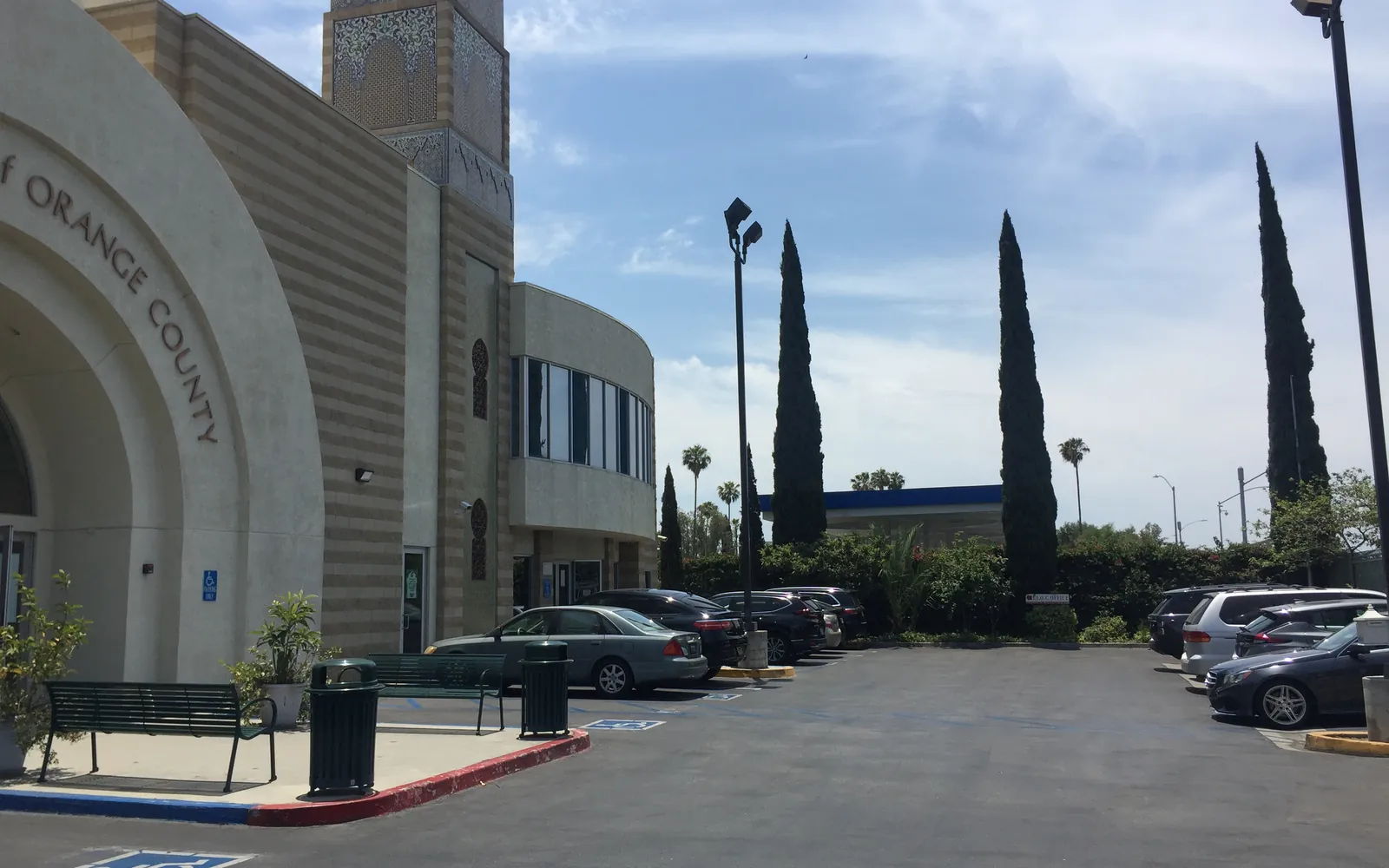
California's Fair Employment and Housing Act defines religious creed to include "all aspects of religious belief, observance, and practice, including religious dress and grooming practices", construed broadly to cover religious clothing, head or face coverings, jewelry and "all forms of head, facial, and body hair" that are part of observing a faith (Government Code 12926(q)).
An employer may not refuse to hire, discharge or otherwise discriminate because of a conflict between a person's religious observance and a job requirement unless it shows it explored reasonable alternatives and could not accommodate without undue hardship. The statute names Sabbath and holy day observance, travel time to and from a religious observance, and dress and grooming practices, and it says an accommodation that requires segregating the worker from other employees or the public is not reasonable (Government Code 12940(l)).
For decades, many federal courts read an old Supreme Court line to mean that an employer could refuse a religious accommodation if it cost "more than a de minimis" amount. In Groff v. DeJoy the Court rejected that reading and held that Title VII requires an employer that denies an accommodation to show the burden "would result in substantial increased costs in relation to the conduct of its particular business" (Groff v. DeJoy, No. 22-174, decided June 29, 2023). The case involved a postal worker's Sunday Sabbath, and its reasoning applies to any faith. Pages written before mid-2023 that quote the old standard are now wrong, and an employment firm that updates them has a real reason to tell readers what changed.
Workers rarely search for "religious creed accommodation". They search for what happened: told to remove a hijab for a customer-facing job, denied a short break at prayer time, required to shave for a uniform policy, scheduled every Friday afternoon after asking for the time off. An employment page set organized around those situations, each pointing to the same explanation of Government Code 12940(l) and Groff, reaches readers at the moment they are deciding whether the problem is legal at all.
In our survey, the search for a religious discrimination lawyer in Anaheim returned 19 law offices, 8 of them in Anaheim and none inside the district's blocks. A firm that actually takes these cases can make it visible: a dedicated page, a services entry on its Business Profile and a short explanation of how the state and federal standards differ. Defense firms can publish the same law for employers, framed around written accommodation procedures. The facts don't change with the side; the reader does.
Civil rights
The County of Orange's 2024 Hate Crime Report, presented to the county's Human Relations Commission in May 2026, counts 119 hate crime events reported by law enforcement agencies in Orange County in 2024, up from 82 in 2020. Ranked by the most serious bias in each event, it lists 4 anti-Arab and 3 anti-Islamic events. Anaheim's police reported 3 hate crime events in 2024, against 19 in Irvine, the county's highest. The report also states that hate crime events do not include hate incidents, acts of prejudice that are not crimes (County of Orange, 2024 Hate Crime Report, in the May 14, 2026 commission packet).
What the county numbers measure
What a civil practice can explain
Seven events in a county of more than three million people won't support claims that a community is under siege, and a firm page shouldn't make them. What the numbers do support is narrower: these events happen here, they are tracked, and the county itself says the count leaves out incidents that fall short of crimes. A civil rights firm can explain what a person should write down, whom to report to and what the civil statutes offer, without exaggerating the risk.
Readers often assume that if prosecutors decline to file, nothing else can happen. The Ralph and Bane Acts are civil statutes with their own remedies, brought by the person harmed or by public officials. A page that sets the two tracks next to each other answers the question victims actually ask, and it is a topic where the firm, not a directory, is the natural source.
Business law
California makes it a misdemeanor to sell meat or other food with intent to defraud while falsely representing it as halal, or as prepared under Islamic religious requirements, including by labeling it with the word "halal" in any language. A business that sells both halal and non-halal meat, or a restaurant serving both kinds of food for eating on the premises, must post signs in block letters at least four inches high reading "halal and nonhalal meats sold here" or "halal and nonhalal food served here", and display cases need a sign over each kind. The penalty is a fine of $100 to $600, 30 to 90 days in county jail, or both (Penal Code 383c).
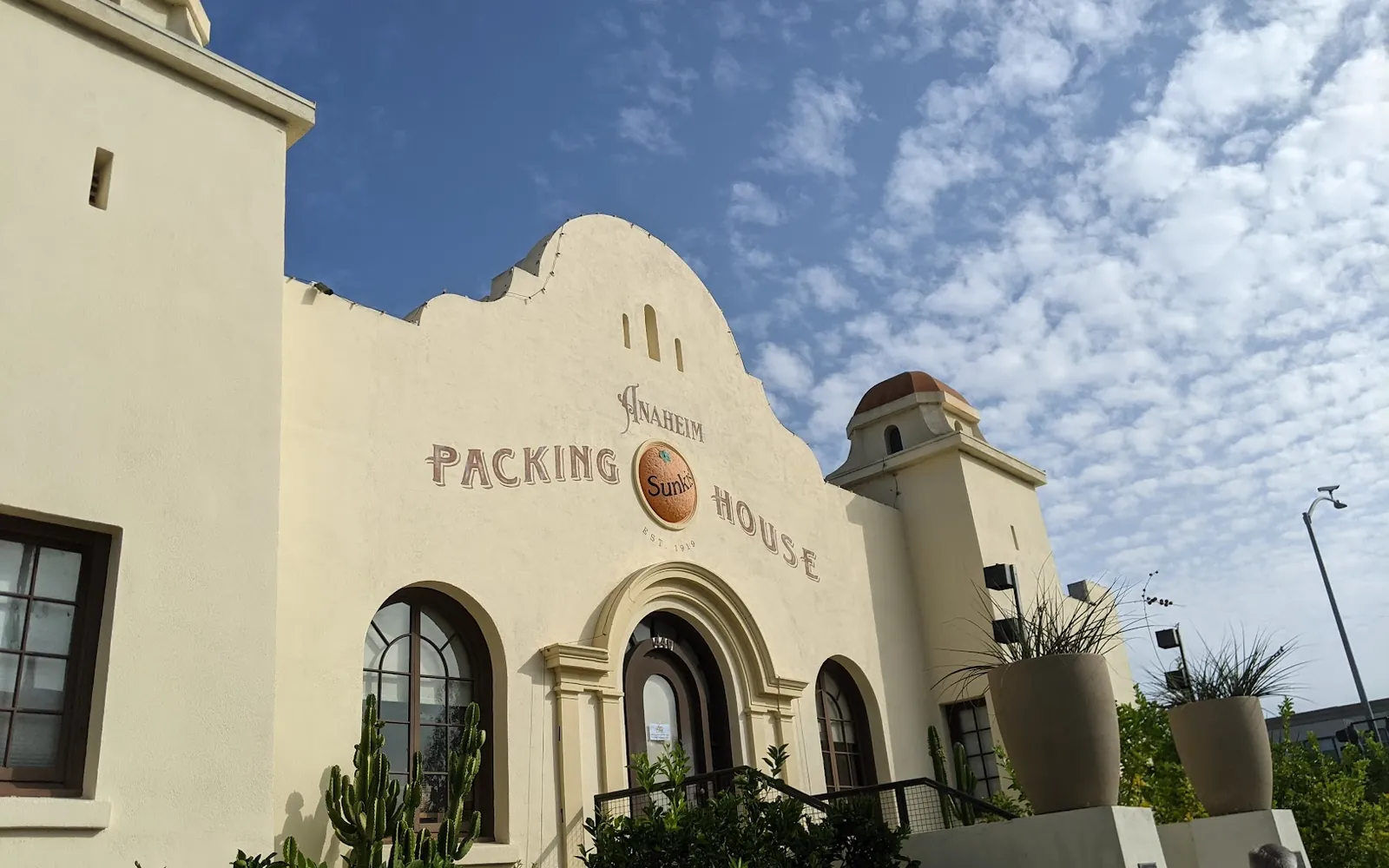
The statute defines halal as "strict compliance with every Islamic law and custom" for slaughter, preparation and the utensils and containers used, which is a demanding standard for a criminal law to borrow. For a restaurant owner, the practical questions are simpler: what counts as a representation (a menu line, a window decal, a delivery app listing), what signs a mixed kitchen needs and how to document suppliers. A business-law page taking those questions in that order is useful to a corridor where the city counts dozens of restaurants, cafes and markets.
The same owner who asks about halal signage also signs commercial leases, hires staff, takes on partners and, sometimes, gets sued. A business firm's district page can link each of those needs to its own practice page, with Penal Code 383c as the entry point that signals familiarity with the trade. In our survey, a search for a restaurant business attorney in Anaheim returned no office inside the district's blocks.
Our survey, November 9, 2026
At 17:24 UTC on November 9, 2026 we submitted 14 queries to the text search endpoint of the Google Places API (see the API documentation), each biased to a 5-kilometer circle around Brookhurst Street at Orange Avenue, at the center of the district, keeping at most 20 results for each. Thirteen searches asked for a lawyer, some worded by faith or community, some by the district's streets and some by plain practice area; one asked only for "Little Arabia Anaheim". Every result was logged with its city and with whether it sat inside the district's blocks, which we drew as Brookhurst Street from Ball Road to Lincoln Avenue and about half a kilometer either side.
Where the listings for each search are located
Each search weighted toward a 5 km circle centered on Brookhurst at Orange Avenue; 20 listings or fewer recorded for each; run November 9, 2026
Use the arrow keys to read each value.
| Search | Inside the district | Elsewhere in Anaheim | Other cities |
|---|---|---|---|
| "lawyer near Little Arabia Anaheim" | 4 | 14 | 2 |
| "Islamic will attorney Anaheim" | 2 | 7 | 11 |
| "Muslim divorce lawyer Anaheim" | 2 | 10 | 8 |
| "Islamic marriage contract lawyer Anaheim" | 2 | 5 | 13 |
| "Arab American lawyer Anaheim" | 3 | 9 | 2 |
| "immigration lawyer Brookhurst Street Anaheim" | 3 | 12 | 5 |
| "business lawyer Brookhurst Street Anaheim" | 5 | 13 | 2 |
| "commercial lease attorney Anaheim" | 1 | 11 | 8 |
| "restaurant business attorney Anaheim" | 0 | 9 | 11 |
| "religious discrimination lawyer Anaheim" | 0 | 8 | 12 |
| "hate crime lawyer Anaheim" | 0 | 8 | 12 |
| "estate planning attorney Anaheim" | 0 | 9 | 11 |
| "family law attorney Anaheim" | 1 | 8 | 11 |
Source: searches run by GLP Marketing through the Places API (New) on November 9, 2026 at 17:24 UTC, with each query's list capped at 20. District = Brookhurst Street between Ball Road and Lincoln Avenue, about 0.55 km either side. Listings of every type are counted, including a restaurant, a translation service and an accounting office.
Across the three faith-worded searches ("Islamic will attorney Anaheim", "Muslim divorce lawyer Anaheim" and "Islamic marriage contract lawyer Anaheim") Google returned 32 different listings, and 8 of them appeared in all three. We opened the websites linked from those listings: 28 of 29 loaded, and on their home pages only 2 used any of the words Islamic, Muslim, mahr, nikah, Sharia or halal. The likeliest reading is that Google is matching these searches mainly on listing names and categories, since many of the returned firms carry Arabic or South Asian names, rather than on content that answers the question. Publishing one real page on the subject would put a firm in thin company.
"Islamic will attorney Anaheim" and "estate planning attorney Anaheim" shared none of their 20 listings. "Muslim divorce lawyer Anaheim" shared 9 of 20 with "family law attorney Anaheim", and the marriage contract search shared 3. An estate firm visible for the plain search can't assume it is visible to a reader who adds a word about faith, and the reverse is true too.
The search "Little Arabia Anaheim" returned a single listing: a Lebanese bakery and restaurant that uses the name. The map doesn't treat the district as a place the way it treats a city. Firms hoping to be tied to the district must say so in words, both on their website and in their Business Profile, because Google will not draw that link by itself. Only three law offices inside the district's blocks appeared across all 13 lawyer searches.
These are the API's answers for a fixed wording and location bias. A phone on Brookhurst may order them differently, and each user's history shifts results further. Our check covered home pages, so an inner page on these subjects could exist without our seeing it. We rerun the survey for every new client when the engagement starts.
Search Console
In the 16 months to November 8, 2026, this page appeared in Google for searches that fall into four groups. We quote the wording only; the sections above are written to answer the groups that come from law firms.
Hiring SEO in Anaheim
Law firm marketing
Websites, content and IT
Readers with a legal problem
"anaheim seo" and "seo company in anaheim" are typed by owners of all sorts of businesses. The title of this page says it serves law firms, and the first paragraph repeats it, so a restaurant owner learns within seconds that we are not their agency. The firm owner who keeps reading finds the district research.
Lemon law and workers' compensation searches come from someone who needs representation. We don't try to answer them here. Readers after lemon law procedure can use our Huntington Beach lemon law section; a reader hurt at work should contact a workers' compensation attorney directly.
The same reports pair this page with searches naming Santa Ana, Oxnard, Glendale, Long Beach, San Bernardino and several Ventura County cities. Santa Ana is handled by our Irvine page, and each of the others has its own page on the service-area list.
Website design
"website design for lawyer anaheim" already brings visitors here. When a firm's clients include Little Arabia's families and shop owners, a standard build gets these additions.
Every one of these pages is also lawyer advertising. Testimonials, specialty claims and firm names are governed by one set of statewide California rules, identical in Anaheim, Fresno or Redding. Rather than repeat them city by city, we explain them once, statute by statute, in the Los Angeles rules section. For the build process itself, from wireframes to launch, read the website design guide.
AI answers
Type "will a California court enforce a mahr" into ChatGPT, or into Google with AI Overviews switched on, and the reply is stitched together from material the tool has found and judged reliable. This subject rests on two appellate decisions and a handful of code sections, so the material worth stitching is any page that states those holdings correctly with the citation sitting in the same sentence.
"In 2001 a California appeals court held that an Egyptian marriage certificate saying only that the marriage followed Islamic law was too uncertain to serve as a premarital agreement" can be lifted whole into a summary. "We understand the unique challenges of multicultural families" cannot. Our drafts lead with the sentence a reader could verify and put the reassurance second.
Summaries sometimes squash a careful rule into "California does not enforce the mahr". Explaining, with dates and case names, why that line is too blunt hands the summarizers sturdier material and gives the person reading it good cause to call the firm. No agency controls what an AI product writes, GLP included.
Every engagement gets a standing set of prompts drawn from the firm's own practice areas. We run them in ChatGPT and in Google on a schedule, archive each dated reply and record the sources it names. The AI visibility guide explains that method in full, along with what it can't measure.
About GLP
GLP's offices are in West Hollywood. Firms here talk with us by video call, check a live dashboard whenever they like and sit down with us for a review each month. To reach the team, call (661) 388-5526.
We have not published a case study from a firm serving Little Arabia, and we won't borrow results from other practices or regions to suggest we have. Nobody at GLP speaks for any faith. Our part is the law as courts and statutes state it, the search research and the build; your attorneys decide what the firm says, and religious content comes from sources your firm chooses.
GLP handles research, drafting, the build and the reporting. What a page says about the law is the firm's statement, so one of your lawyers clears each page ahead of launch. Fees are billed monthly; the written quote follows the audit, once the scope is clear. The order of steps from first call onward appears on our process page.
Nearby
In short
City of Anaheim records, Census ancestry tables, two Orange County appellate decisions, the California codes, the county's 2024 hate crime report plus a November 9, 2026 survey of Google Maps listings: the evidence behind our SEO plans for Anaheim firms.
It helps less than most firms expect. In our November 9 survey, only three law offices inside the district's blocks appeared at all, and searches worded by faith returned offices from Tustin, Irvine and Costa Mesa. Distance is one input; the words on your profile, your pages and your reviews are others. A firm a mile away with pages that actually answer district families' questions can hold its own against a storefront on the corridor, and a storefront with an empty website can't count on its address alone.
Only when those words already appear in the name your firm uses on its sign, letterhead and State Bar records. Google's profile guidelines treat added places and keywords in the business name as a violation, and a suspension costs far more than the phrase could earn. The district belongs in your description, your services and a page on the site that explains how you serve district families, where it can be as specific as you like.
We write about how California courts and statutes treat those documents, which is legal content, and we leave doctrine to the people qualified to speak on it. Two Orange County decisions anchor such a page: what a judge did with a dowry clause and with a marriage certificate offered as a premarital agreement. Your attorneys approve every sentence. When a page needs a religious explanation, we quote a source your firm picks and credit it by name.
Slowly and with written consent for each use. In a district where families know each other, a divorce or a bias complaint described in enough detail to be persuasive may also be enough to identify the client. We prefer reviews clients choose to post themselves, matter descriptions with names, dates and countries removed, and no photos of clients unless they ask. California's limits on testimonials in lawyer advertising apply as well.
Yes. The city's own count tops 70 businesses in the district, many of them restaurants, cafes and markets, and their owners search for help with leases, permits, partnerships and labeling. A business-law page that explains Penal Code 383c on halal claims, written for a restaurant owner rather than for another lawyer, is a page few Orange County firms have published.
Few practices fit this plan better. California defines religious creed to include dress and grooming practices, and the federal standard for refusing an accommodation tightened in 2023. Workers in this situation tend to search with the practice itself in the words: hijab at work, prayer time at work, beard policy. Pages organized around those phrases, each citing Government Code 12940(l), reach them before they know the legal term.
Usually, yes. Search Console shows "law firm marketing in anaheim hills ca" reaching this page, and the Census shows the hills ZIP codes have a higher share of residents of Arab ancestry than the ZIPs around Little Arabia. A hills firm might serve the same families at home, for estates and family matters, while a west-side firm sees them at the shop counter, for leases and disputes. Each firm's page list starts from the intake records it already keeps.
Yes. Before anything changes we record every URL, its title, its internal links and the searches it already earns, and the new site either keeps each address or redirects it on launch day. That is standard for any rebuild. What changes for a firm serving district families is the content plan that goes into the new structure, which the design section below describes. Each step of our build process is listed in the site build guide.
For a restaurant, maybe. For a firm, the work runs into rules a general consultant may not know: California's lawyer advertising rules, the limits on testimonials, profile rules for law offices and the risk of describing a case in a way that discloses a client. This page reaches people searching "anaheim seo consultant" and similar terms, and it answers them for one kind of business only. If you aren't a law firm, we're not the right fit.
Credibility on these pages comes from getting the law right and from handling the matters, not from anyone's background. What a firm must avoid is implying a tie it doesn't have: a page shouldn't suggest a community affiliation, a religious endorsement or language skills the staff lack, because a misleading implication is as much a problem in lawyer advertising as a false statement. If your firm works with an interpreter or a co-counsel who serves the community, say exactly that and name the arrangement. Readers in a district where people talk to one another find out quickly whether the description was accurate.
Yes, if your intake team tags each new matter. Each phone lead and form submission carries a tag showing which page and which query produced it; your staff mark the practice area and whether the matter was signed. After a few months the report shows, for example, whether the page on religious marriage contracts brings family consultations or mostly curious readers. That is how we decide what to write next.
No. We work on search: the firm's site, its Business Profile, paid search accounts the firm owns and the sources AI tools read. Sponsorships and print ads can serve a firm well, and we can get the landing pages ready for them, but buying and placing them is outside our work.
By writing about legal documents and situations, never about what a group of people supposedly believes or does. Census ancestry and religion are different things, and many Arab American families are Christian; many Muslims in Orange County aren't Arab. A page about a dowry clause speaks to anyone holding such a contract. We avoid stock imagery of mosques or desert scenes, and we ask your staff to read drafts for tone as well as accuracy.
Firms across Orange County hire us, but Anaheim and its district are this page's subject. Some Santa Ana searches land here as well; our Irvine page handles Santa Ana and treats Orange County as a single search market. A Garden Grove firm gets its own research, because its neighborhoods and communities are different from Anaheim's.
Tell us which practice areas should grow and where your clients live. Within 48 hours you receive a narrated screen capture of your firm's visibility in Google results, the map pack and ChatGPT, made from the neighborhoods you name.
Or call Call (661) 388-5526

